
Cossacks of the Kuban
"Harvest and romance bloom on rival Kuban collective farms."
Keys: Space play/pause · ←/→ 10s · F fullscreen · M mute · </> speed
About this film
In 1950, in the steppes of the Kuban love is born on two collective farms while wheat is (enthusiastically) gathered. Galina, the energetic chairwoman of one of the two kolkhozes, vies with her male counterpart for the best harvest. At the same time Gordey, her rival, a former soldier, is (and has been for ages) in love with her. On her part, Dasha a collective farm worker, has heartbeat for a young technician of the competing kolkhoz...
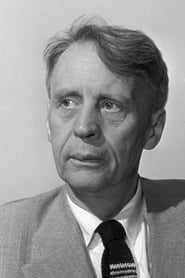
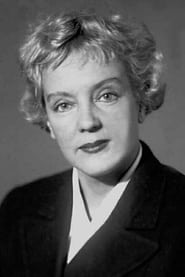
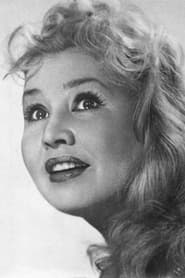
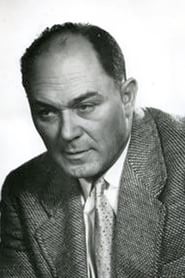
Cast & crew
More Comedy films
View all →






More from Ivan Pyryev
View all →


More about this film
About the production
Release dateFebruary 27, 1950 (Soviet Union)
Box officeEstimated 38.5 million tickets sold in the Soviet Union during its initial release, making it especially successful Soviet films of 1950
ProductionMosfilm Studio
Filmed inKuban region, Russian SFSR, Moscow Film Studios
Filmed in Agfacolor, one of the early Soviet color films. The production involved real collective farm workers as extras and consultants. Director Ivan Pyryev cast his wife Marina Ladynina in the lead role, continuing their successful collaboration. The film featured elaborate musical numbers with hundreds of performers, requiring extensive choreography and coordination.
Themes
Collective farming and socialist agricultureRomantic love in a socialist contextCompetition and cooperationThe abundance of Soviet landThe joy of collective labor
Themes & topics
collective farmharvestromancecompetitionmusicalkolkhozKubanwheatagricultureSoviet Unioncomedylove trianglerural lifepropagandacolor film
Historical background
Released in 1950, Cossacks of the Kuban reached audiences during mid-century cinema, when exhibition and production norms differed sharply from today's.
Why this film matters
Cossacks of the Kuban remains viewable through digital archives, preserving 1950 screen culture for modern audiences.
Making of
The production of 'Cossacks of the Kuban' was a major undertaking for Mosfilm, requiring extensive location shooting in the Kuban region during the actual harvest season. Director Ivan Pyryev, known for his musical comedies celebrating Soviet life, assembled a team of the studio's best talent. The filming of the large-scale musical numbers, particularly the harvest scenes with hundreds of performers, required weeks of rehearsal and coordination. The use of color technology was still relatively new and expensive in Soviet cinema, making this a prestige production. Pyryev insisted on authenticity, consulting with agricultural experts and collective farm chairmen to accurately portray the kolkhoz system. The romantic subplot between Gordey and Galina was reportedly inspired by real stories of collective farm leaders. The film's production coincided with the post-war reconstruction period, and its optimistic tone and celebration of agricultural success were deliberately aligned with Soviet propaganda goals of demonstrating the superiority of the collective farm system.
What critics said
Modern notes on Cossacks of the Kuban emphasize preservation, stylistic choices, and its place within director or studio filmographies.
Did you know?
- The film's songs became extremely popular throughout the Soviet Union and are still remembered today, particularly 'Oh, the viburnum is blooming' and 'What a wonderful Kuban land'.
- Director Ivan Pyryev and lead actress Marina Ladynina were married in real life, and this was their fifth film collaboration.
- The film was shot using captured German Agfacolor film stock after WWII, as the Soviet film industry was developing its own color technology.
- Real collective farm workers from the Kuban region were brought to Moscow to serve as technical consultants and extras.
- The wheat field scenes were filmed during actual harvest season, with the production coordinating with real collective farms.
- The film's success led to it being exported to multiple countries, including China, Eastern Europe, and even some Western nations.
- Stalin reportedly praised the film as an excellent example of socialist realism in cinema.
- Ekaterina Savinova, who played Dasha, became one of Soviet cinema's most beloved comic actresses after this performance.
- The film's choreographer was Igor Moiseyev, a famous Russian folk dancer who later founded the Moiseyev Dance Company.
- The movie was re-released multiple times in the Soviet Union due to its enduring popularity.
Awards & recognition
- Stalin Prize (First Degree) - 1951
- Vasilyev Brothers State Prize of the RSFSR - 1951
- Best Film at the Karlovy Vary International Film Festival - 1951
- Best Director (Ivan Pyryev) at the Venice Film Festival - 1951
Visual style
The cinematography by Yuri Yekelchik was groundbreaking for Soviet cinema, utilizing Agfacolor to create vibrant, warm images of the Kuban landscape. The film featured sweeping aerial shots of wheat fields and elaborate choreographed sequences with hundreds of performers. The visual style emphasized the abundance and beauty of the collective farm, using wide angles to showcase the scale of agricultural operations. Color was used symbolically, with golden wheat fields representing prosperity and red banners signifying communist ideology. The harvest scenes were particularly notable for their dynamic camera movement and the coordination of multiple action elements. The film's visual language combined documentary-style realism with idealized, almost theatrical compositions. The cinematography successfully created a mythic vision of Soviet rural life that was both believable and aspirational.
Innovations
The film was a technical milestone for Soviet cinema as one of the early productions shot entirely in color using Agfacolor technology. The production pioneered techniques for filming large-scale outdoor musical numbers with hundreds of performers. The sound recording innovations allowed for clear capture of both dialogue and musical numbers in outdoor settings. The film demonstrated advanced capabilities in location shooting, particularly in coordinating complex scenes with real harvest activities. The color processing and printing techniques developed during production contributed to the advancement of Soviet color cinema. The film's success helped establish color production capabilities at Mosfilm Studio. The synchronization of choreography with agricultural machinery and real harvesting activities represented a significant technical challenge that was successfully overcome.
Music
The film's music was composed by Isaak Dunayevsky, one of Soviet cinema's most celebrated composers, with lyrics by Mikhail Isakovsky and Vasily Lebedev-Kumach. The soundtrack became as famous as the film itself, with several songs becoming standards of Soviet popular music. Notable numbers included 'Oh, the viburnum is blooming' (Ой, цветет калина), 'What a wonderful Kuban land' (Какая же это чудесная Кубань), and various harvest celebration songs. The music blended traditional Russian folk melodies with Soviet patriotic themes, creating a distinctive sound that appealed to mass audiences. The orchestral arrangements featured balalaikas, accordions, and traditional Russian instruments alongside classical orchestral elements. The songs were designed to be easily memorable and singable, contributing to their enduring popularity. The musical numbers were intricately choreographed, often involving hundreds of performers in elaborate harvest celebration sequences.
What audiences thought
The film was enormously popular with Soviet audiences, drawing millions of viewers and becoming one of the highest-grossing films of 1950. Its songs became widely known and were sung in homes and at gatherings throughout the Soviet Union. The characters, particularly the energetic Galina and the lovestruck Gordey, became familiar and beloved figures in Soviet popular culture. The film was frequently re-released and broadcast on television, maintaining its popularity across generations. Many Soviet viewers, especially those from rural areas, found the film's depiction of collective farm life relatable and aspirational. The movie's optimistic tone and musical numbers provided welcome entertainment during the difficult post-war reconstruction years. Even decades after its release, the film remained a nostalgic favorite, particularly among older generations who remembered it from their youth.
Film connections
Influenced by
- Socialist Realism doctrine
- Soviet musical theater traditions
- Russian folk culture
- Hollywood musical comedies of the 1930s-40s
- Soviet agricultural propaganda
- Traditional Cossack culture
This film influenced
- The Quiet Don
- Andrei Rublev
- Baba Yaga
- Moscow Does Not Believe in Tears
- Love and Pigeons
- similarFilms
Where to watch
- YouTube: https://www.youtube.com/watch?v=r5OY3HuYegg
- Wikimedia Commons: https://commons.wikimedia.org/wiki/File:1949.%20%D0%9A%D1%83%D0%B1%D0%B0%D0%BD%D1%81%D0%BA%D0%B8%D0%B5%20%D0%BA%D0%B0%D0%B7%D0%B0%D0%BA%D0%B8.webm