Films
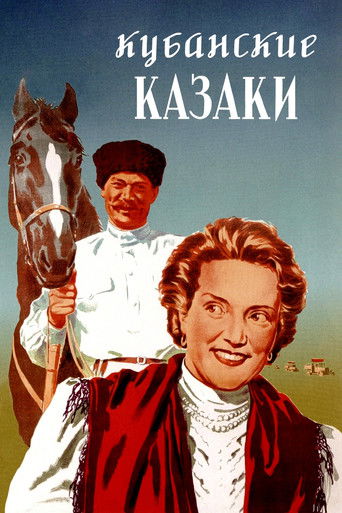
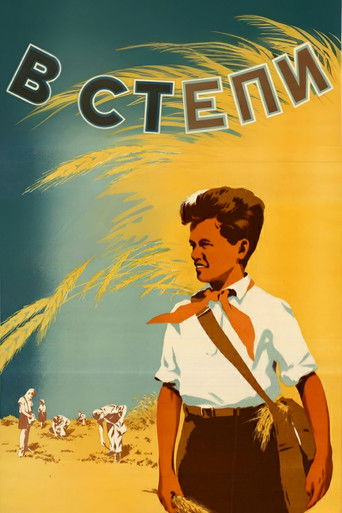
8 films
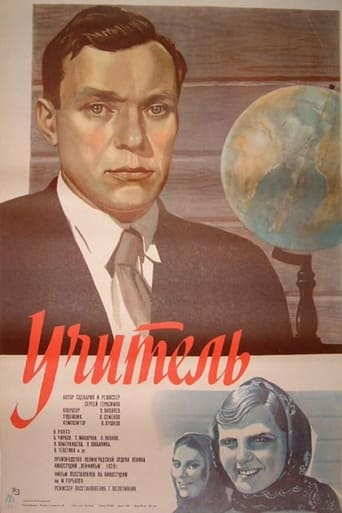
About Valentina Telegina
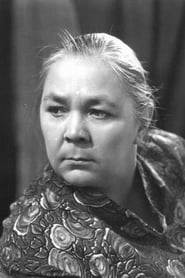
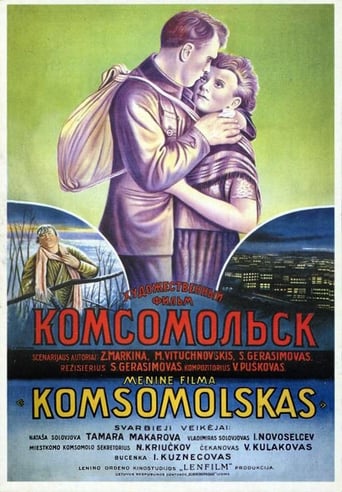
Valentina Petrovna Telegina — Russian and Soviet film and stage actress whose screen career began in the late 1930s and extended into the 1950s, a period when Soviet cinema was helping define wartime and postwar screen realism. She became known for vivid supporting performances in socially grounded films, often portraying working women, mothers, village figures, and practical everyday characters with warmth and emotional directness. Her early screen appearances included notable late-1930s titles such as Komsomolsk, Surgery, Member of the Government, and The New Teacher, which established her as a reliable character actress in the Soviet studio system. After the war she continued to appear in films such as Little Gray Neck and other productions through the early 1950s, contributing memorable turns rather than headline-star roles. Telegina’s acting was valued for its naturalness, plainspoken presence, and ability to make even small parts feel lived-in and socially authentic. She worked during an era when Soviet acting emphasized ensemble storytelling and moral clarity, and she fit that tradition especially well. While not an international celebrity, she remained a recognizable screen presence in Soviet cinema history through the durability of her performances.
The Craft
On Screen
Her acting style appears to have been rooted in Soviet naturalism, with an emphasis on believable behavior, emotional clarity, and strong ensemble support. She was especially effective in roles requiring a sense of ordinary life, maternal care, workmanlike energy, or moral steadiness. Rather than overt theatrical display, her performances seem to have relied on precise gesture, plainspoken line delivery, and an unforced screen presence. This made her well suited to films that valued realism, social detail, and sincerity.
Milestones
- Broke into film in the late 1930s during a formative period for Soviet sound cinema
- Appeared in Komsomolsk, one of the early films associated with her screen career
- Built a reputation as a dependable supporting actress in socially conscious dramas and literary adaptations
- Contributed to wartime and postwar Soviet cinema with roles grounded in everyday realism
- Appeared in Little Gray Neck, continuing her presence in film after World War II
- Worked steadily across the 1940s and early 1950s in character roles rather than star vehicles
Best Known For
Iconic Roles
Must-See Films
Working Relationships
Worked Often With
Studios
Why They Matter
Impact on Culture
Valentina Telegina contributed to the texture of Soviet cinema at a time when supporting actors were essential to the persuasive realism of the national film style. Her performances helped populate stories about collective labor, wartime resilience, education, and family life with credible human detail. Even when not the central figure, she represented the kind of screen presence that gave Soviet films emotional stability and social specificity. For viewers of classic Russian cinema, actresses like Telegina helped establish the lived-in atmosphere that many studio-era productions from more stylized melodrama.
Lasting Legacy
Her legacy lies in the accumulation of dependable, memorable supporting performances across a formative decade of Soviet film history. She is remembered as part of the generation of actors who sustained the realism and moral earnestness of late-1930s, wartime, and postwar screen culture. Although not a marquee star, she remains an important figure for historians studying ensemble acting and the supporting cast system in Soviet cinema. Her work endures as an example of how character actors helped define the emotional and social worlds of classic films.
Who They Inspired
Telegina’s influence is best understood indirectly: she modeled a kind of understated, everyday performance style that suited Soviet realism and continued to be valued in later Russian screen acting. By inhabiting ordinary women with conviction rather than theatrical flourish, she reinforced the importance of credible supporting parts in national cinema. Her work likely influenced later character actresses who specialized in grounded, socially legible roles. In that sense, her influence is cultural and stylistic rather than tied to a direct mentorship lineage.
Off Screen
Publicly available biographical information on Valentina Telegina is limited in the sources commonly accessible for classic cinema reference. She is primarily documented through her screen work rather than through extensive celebrity coverage, and detailed information about her family life, marriages, or private affairs is not widely preserved in mainstream English-language film references. As a result, her personal history is less well known than her body of performances in Soviet cinema. This relative scarcity of documentation is common for many supporting players of the Soviet studio era, whose professional contributions were widely seen but whose private biographies were not always extensively publicized.
Education
Specific educational background is not reliably documented in the readily available classic cinema sources consulted here.
Did You Know?
- She is most commonly identified as Valentina Petrovna Telegina.
- Her film career began in 1938 and appears to have ended in 1954.
- She worked during.
- She is associated primarily with supporting roles rather than lead roles, which was common for many durable character actors in Soviet studio films.
- Some of her best-known titles come from the late 1930s, a key era for Soviet sound cinema.
- Little Gray Neck is among the better-known postwar titles connected with her screen work.
- English-language biographical information about her is limited compared with major Soviet stars of the era.
- She is often listed in filmographies without extensive personal-detail documentation, reflecting the archival gaps for many Soviet-era performers.
Frequently Asked Questions
Who was Valentina Telegina?
Soviet film actress best known for supporting roles in classic cinema from the late 1930s through the early 1950s. She built a reputation for natural, grounded performances in socially realistic films.
What films is Valentina Telegina best known for?
Titles linked here include Komsomolsk (1938), Surgery (1939).
When was Valentina Telegina born and when did she die?
Her exact birth and death dates are not reliably documented in the readily available classic cinema references used here. She is primarily known through her filmography rather than extensively published biographical records.
What awards did Valentina Telegina win?
No major awards or nominations could be reliably verified from the available reference material. She appears to have been valued chiefly as a working character actress within the Soviet studio system.
What was Valentina Telegina's acting style?
Her style was marked by restraint, naturalism, and an ability to make everyday characters feel authentic. She was especially effective in ensemble films that relied on believable social detail and emotional sincerity.
What is Valentina Telegina's legacy in film history?
Her legacy is that of a dependable and memorable supporting actress who helped define the texture of Soviet realistic cinema. She represents the kind of performer whose contributions may not have made international headlines but were essential to the strength of classic films.