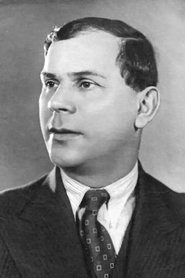
Vladimir Volodin
Actor
Born: June 26, 1896 in Moscow, Russian Empire Died: March 26, 1958 Active: 1936-1950 Birth Name: Vladimir Vasilyevich Volodin
Films
7 films


About Vladimir Volodin
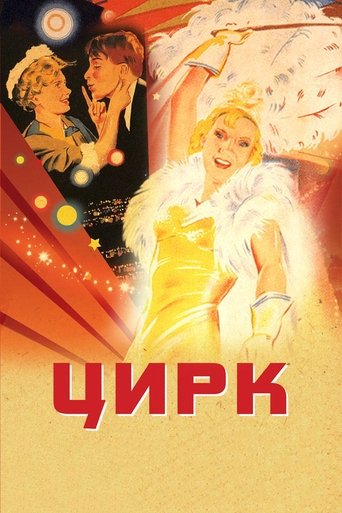
Prominent Soviet actor who rose through Grigori Aleksandrov's Circus (1936) and Volga-Volga (1938). Born in Moscow in 1896, he rose to prominence through his collaborations with director Grigori Aleksandrov, appearing in Circus (1936), Volga-Volga (1938), and Telephone (1944). Volodin specialized in comedic roles but demonstrated remarkable versatility across both comedy and drama, often portraying ordinary Soviet citizens with exceptional warmth and authenticity. His breakthrough came with the international success of 'Circus' (1936), followed by his performance in 'Volga - Volga' (1938), which reportedly became Joseph Stalin's favorite film. Throughout his career, Volodin mastered the art of creating memorable characters within the constraints of socialist realism while maintaining individual charm and humanity. His work during World War II in films like 'Telephone' (1944) helped boost Soviet morale during a critical period in the nation's history. Volodin was recognized as an Honored Artist of the RSFSR for his significant contributions to Soviet cinema, cementing his legacy as one of the era's most beloved character actors.
The Craft
On Screen
Volodin was known for his naturalistic yet expressive acting style that perfectly balanced comedy with genuine emotion. He specialized in portraying the Soviet 'everyman' with exceptional warmth, humor, and authenticity that resonated deeply with mass audiences. His performances featured subtle physical comedy combined with sincere emotional delivery, making his characters immediately relatable despite the ideological constraints of the era. Volodin had a distinctive vocal quality and expressive face that allowed him to create memorable characterizations through minimal gestures and maximum impact. His technique of blending physical humor with emotional authenticity became a model for character actors in Soviet cinema, helping establish a more humanistic approach within the socialist realist framework.
Milestones
- Breakthrough role in 'Circus' (1936) directed by Grigori Aleksandrov
- Iconic performance in 'Volga - Volga' (1938), Stalin's favorite film
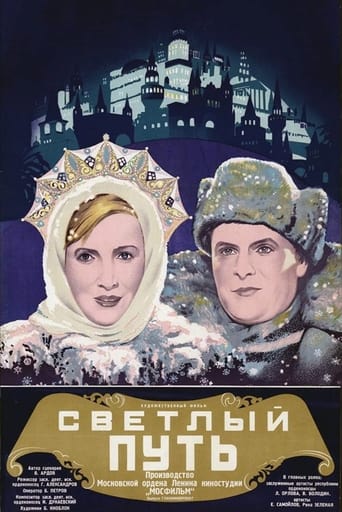
- Starring role in the acclaimed drama 'The Shining Path' (1940)
- Wartime success with the comedy 'Telephone' (1944)
- Post-war triumph in 'The Winner' (1946)
- Recognition as Honored Artist of the RSFSR
Best Known For
Iconic Roles
Must-See Films
Accolades
Won
- Honored Artist of the RSFSR
Special Recognition
- Honored Artist of the Russian Soviet Federative Socialist Republic
Working Relationships
Worked Often With
Studios
Why They Matter
Impact on Culture
Vladimir Volodin played a significant role in shaping Soviet cinema's golden age, particularly in the comedy genre that flourished during the 1930s and 1940s. His performances in films like 'Circus' and 'Volga - Volga' helped establish the template for Soviet comedy that balanced entertainment value with ideological messaging, creating works that were both artistically successful and politically acceptable. Volodin's portrayals of ordinary Soviet citizens resonated deeply with audiences and contributed to the creation of a shared cultural identity during a pivotal period in Soviet history. His work exemplified the socialist realist aesthetic while maintaining genuine humanity and humor, making these ideologically-driven films accessible and enjoyable to mass audiences. Through his collaborations with director Grigori Aleksandrov, Volodin helped create some of the most enduring and beloved films in Soviet cinema history that continue to be studied and appreciated today.
Lasting Legacy
Vladimir Volodin's legacy endures through his memorable performances in some of Soviet cinema's most celebrated films, which continue to be studied by film scholars and enjoyed by audiences interested in classic cinema. His work in 'Circus' and 'Volga - Volga' represents some of the finest examples of Soviet comedy from the Stalin era, showcasing how entertainment and ideology could be successfully combined. Volodin represents an important bridge between the early Soviet experimental cinema of the 1920s and the more standardized socialist realist productions that followed. His ability to create authentic, human characters within the constraints of Soviet film ideology demonstrated exceptional artistic skill and contributed to the enduring appeal of these films across generations. As.
Who They Inspired
Volodin influenced subsequent generations of Soviet and Russian actors through his naturalistic yet stylized approach to comedy that balanced entertainment with emotional authenticity. His technique of blending physical humor with genuine emotion became a model for character actors working within the Soviet film industry. The everyman quality he brought to his roles influenced how Soviet actors approached portraying ordinary citizens, helping create a more relatable and humanistic style of performance within the socialist realist framework. His work with director Grigori Aleksandrov established patterns of actor-director collaboration that influenced Soviet film production practices for decades. Contemporary Russian comedians and character actors still reference Volodin's performances as exemplars of the Soviet comedic tradition that managed to be both ideologically sound and artistically compelling.
Off Screen
Information about Vladimir Volodin's personal life is limited in available sources, which is common for Soviet-era actors whose private lives were not extensively documented in public records. He lived through some of the most tumultuous periods in Russian and Soviet history, including the Russian Revolution, Stalin's purges, and World War II. Despite the political pressures of the era, Volodin maintained a successful career and was respected by his colleagues for his professional dedication and artistic integrity. He remained based in Moscow throughout his life and career, working primarily with the Mosfilm studio.
Education
While specific details about Vladimir Volodin's formal education are not widely documented, he likely received theatrical training given his professional acting career and the technical skill demonstrated in his performances. Soviet actors of his generation typically trained at state-sponsored theatrical institutions or through apprenticeship programs with established theater companies.
Did You Know?
- 'Volga - Volga' (1938), one of his most famous films, was reportedly Joseph Stalin's favorite movie, which he watched over 100 times
- Volodin frequently worked with director Grigori Aleksandrov, who was married to his frequent co-star Lyubov Orlova
- His performances in musical comedies helped establish him as
- During World War II, Volodin continued acting in films that boosted Soviet morale, including 'Telephone' (1944)
- Despite the political pressures of Stalin's era, Volodin maintained a successful career spanning over two decades
- His film 'Circus' (1936) was one of the first Soviet films to achieve international recognition and success
- Volodin's acting style was particularly suited to the socialist realist aesthetic while maintaining individual charm
- He received the title of Honored Artist of the RSFSR for his contributions to Soviet cinema
- Many of his films were restored and re-released after the fall of the Soviet Union, introducing his work to new generations
- His collaborations with Igor Ilyinsky created
Frequently Asked Questions
Who was Vladimir Volodin?
Prominent Soviet with credits in this catalog. He specialized in comedic roles and frequently collaborated with director Grigori Aleksandrov, appearing in some of the most celebrated Soviet films of the era, including 'Circus' and 'Volga - Volga.'
What films is Vladimir Volodin best known for?
Titles linked here include Circus (1936), Volga - Volga (1938).
When was Vladimir Volodin born and when did he die?
Born June 26, 1896; died March 26, 1958.
What awards did Vladimir Volodin win?
Vladimir Volodin was honored with the title of Honored Artist of the RSFSR (Russian Soviet Federative Socialist Republic) for his significant contributions to Soviet cinema. This recognition was one of the highest artistic honors available to Soviet actors during his career and reflected his status as one of the era's most respected performers.
What was Vladimir Volodin's acting style?
Vladimir Volodin was known for his naturalistic yet expressive acting style that balanced comedy with genuine emotion. He specialized in portraying the Soviet 'everyman' with warmth and authenticity, using subtle physical comedy combined with sincere emotional delivery that made his characters relatable to mass audiences while working within the constraints of socialist realism.