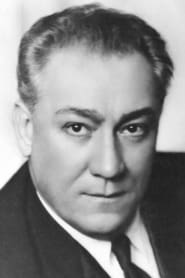
Aleksandr Khvylya
Actor
Born: July 14, 1905 in Yekaterinoslav, Russian Empire (now Dnipro, Ukraine) Died: October 17, 1952 Active: 1935-1952 Birth Name: Aleksandr Leopoldovich Khvylya
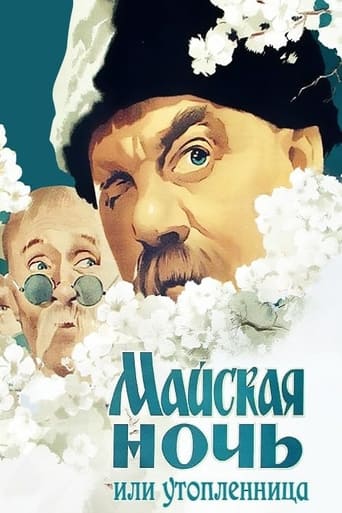
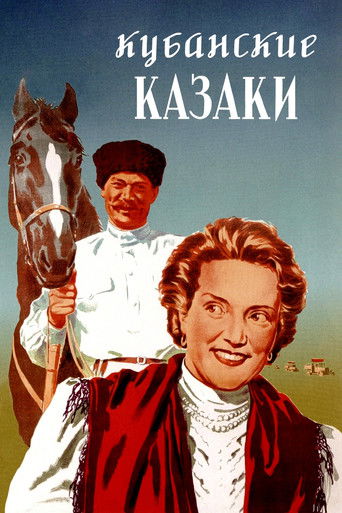
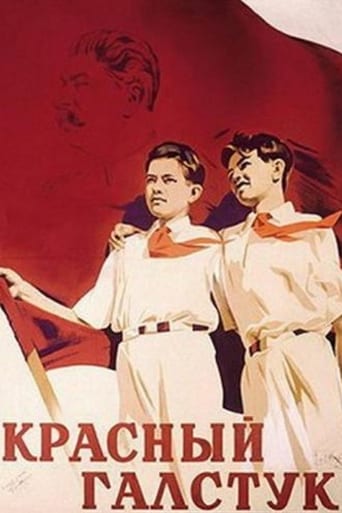
Films
8 films

About Aleksandr Khvylya
Soviet actor: the crucial decades of Soviet cinema from the 1930s through the early 1950s. Born in Ukraine, he began his acting career in theater before transitioning to film during the golden age of Soviet cinema. Khvylya became particularly renowned for his powerful character roles, often portraying working-class heroes, military figures, and revolutionary characters that aligned with Soviet ideological themes. His breakthrough came during World War II when he starred in several patriotic films that boosted morale during the conflict. Throughout his career, he worked with some of the most prominent Soviet directors of his time, including Mark Donskoy and Vsevolod Pudovkin. Khvylya's performances were characterized by their emotional intensity and authentic portrayal of Soviet archetypes, making him a beloved figure among Soviet audiences. His career, though cut relatively short by his early death, on the landscape of Soviet cinema during its most formative years.
The Craft
On Screen
Khvylya was known for his naturalistic yet powerful acting style, characterized by deep emotional resonance and authentic character portrayal. He specialized in playing strong, determined characters who embodied Soviet ideals of heroism and dedication. His performances combined theatrical training with cinematic subtlety, allowing him to convey complex emotions through both dialogue and physical expression. Khvylya had a particular talent for portraying working-class and military characters with genuine dignity and humanity.
Milestones
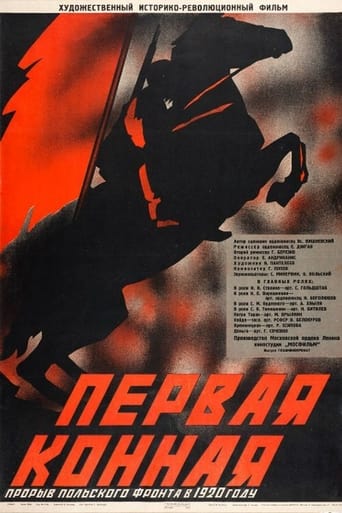
- Breakthrough role in 'The First Cavalry' (1941)
- Iconic performance in 'How the Steel Was Tempered' (1942)
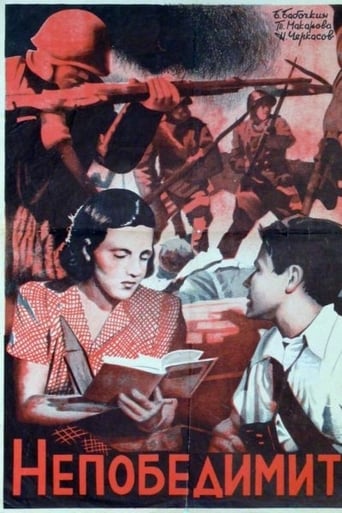
- Leading role in 'The Invincible' (1942)
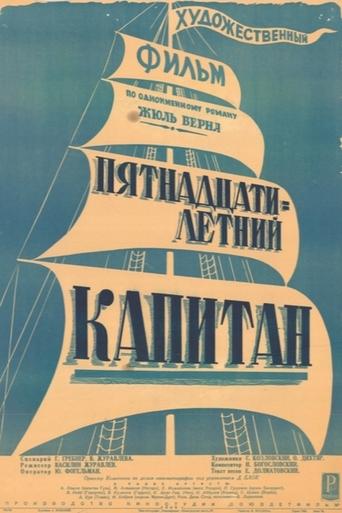
- Memorable performance in 'A Captain at Fifteen' (1945)
- Recognition as People's Artist of the RSFSR (1946)
Best Known For
Iconic Roles
Must-See Films
Accolades
Won
- People's Artist of the RSFSR (1946)
- Stalin Prize (1946)
- Order of the Red Banner of Labour (1948)
- Order of the Badge of Honour (1944)
Nominated
- Stalin Prize nomination for 'The First Cavalry' (1942)
Special Recognition
- Honored Artist of the RSFSR (1943)
- People's Artist of the RSFSR (1946)
- Multiple state decorations for contributions to Soviet cinema
Working Relationships
Worked Often With
Studios
Why They Matter
Impact on Culture
Aleksandr Khvylya played a significant role in shaping the archetype of the Soviet hero in cinema during World War II and the immediate post-war period. His portrayal of Pavel Korchagin in 'How the Steel Was Tempered' became an iconic representation of Soviet revolutionary ideals and influenced generations of Soviet youth. Khvylya's films were not just entertainment but powerful tools of ideological education, helping to reinforce Soviet values during some of the country's most challenging historical periods. His work contributed to the development of a distinctly Soviet cinematic language that emphasized collective heroism and personal sacrifice for the greater good. The characters he portrayed became cultural touchstones, referenced in literature, theater, and political discourse throughout the Soviet era.
Lasting Legacy
Aleksandr Khvylya's legacy endures as. His performances continue to be studied by film scholars and acting students as exemplars of the Soviet realistic acting tradition. The films he starred in, particularly 'How the Steel Was Tempered,' remain classics of Soviet cinema and are regularly screened in retrospectives of classic Soviet films. Khvylya's contribution to establishing the visual and performative language of Soviet wartime cinema has been recognized by film historians as crucial to understanding the cultural history of the period. His name is frequently mentioned alongside other giants of Soviet cinema as a pioneer who helped define what it meant to be a Soviet film actor.
Who They Inspired
Khvylya influenced subsequent generations of Soviet actors through his naturalistic approach to character portrayal and his ability to embody ideological themes without becoming propagandistic. His technique of combining theatrical training with cinematic subtlety became a model for actors transitioning from stage to screen in the Soviet Union. Many younger actors cited his performances as inspiration for developing their own approach to playing working-class and military characters. His work with prominent directors helped establish collaborative methods that became standard in Soviet film production. Khvylya's influence extended beyond acting to contribute to the broader development of Soviet film aesthetics during the 1940s and early 1950s.
Off Screen
Aleksandr Khvylya led a relatively private life despite his public prominence as one of Soviet cinema's leading actors. He was known for his dedication to his craft and his commitment to Soviet cultural values. Khvylya was married and had children, though details about his family life remain limited in public records. He was respected by his colleagues for his professionalism and his willingness to mentor younger actors in the Soviet film industry. His untimely death at age 47 cut short a career that was still in its prime.
Education
Graduated from the Kiev State Institute of Theatre Arts (1930)
Family
- Marina Khvylya (married 1928-1952)
Did You Know?
- Born in Yekaterinoslav (now Dnipro, Ukraine) during the final years of the Russian Empire
- Originally trained as a stage actor before transitioning to film in the mid-1930s
- His performance in 'How the Steel Was Tempered' was so iconic that it was used in Soviet schools as an educational tool
- During World War II, he actively participated in entertainment brigades that performed for Soviet troops at the front lines
- Received the Stalin Prize, one of the Soviet Union's highest cultural honors, in 1946
- His film 'The First Cavalry' was one of the first major Soviet films about the Russian Civil War
- Khvylya was known for his methodical preparation for roles, often spending months researching historical characters
- Despite his fame, he maintained a reputation for being humble and approachable with fans and colleagues
- His death at age 47 was considered a major loss to Soviet cinema, as he was at the height of his career
- Several of his films were restored and re-released in the 1970s as part of Soviet cinema heritage preservation efforts
In Their Own Words
"An actor must not just play a role, he must become the character, live his life, breathe his air." - From a 1948 interview with Soviet Film magazine
"In every role, I look for the truth of the human heart, even when playing a historical figure." - Statement at the 1946 Stalin Prize ceremony
"Cinema is not just entertainment, it is the mirror of our society and the teacher of our people." - From his 1949 speech to young actors
Frequently Asked Questions
Who was Aleksandr Khvylya?
Prominent Soviet with credits in this catalog.' He was recognized as a People's Artist of the RSFSR and became an iconic figure in Soviet cinema during World War II and the post-war period.
What films is Aleksandr Khvylya best known for?
Titles linked here include How the Steel Was Tempered (1942), The First Cavalry (1941).
When was Aleksandr Khvylya born and when did he die?
Born July 14, 1905; died October 17, 1952.
What awards did Aleksandr Khvylya win?
Khvylya received numerous prestigious awards including the People's Artist of the RSFSR (1946), the Stalin Prize (1946), the Order of the Red Banner of Labour (1948), and the Order of the Badge of Honour (1944). These honors reflected his significant contributions to Soviet cinema and culture.
What was Aleksandr Khvylya's acting style?
Khvylya was known for his naturalistic yet powerful acting style, characterized by emotional depth and authentic character portrayal. He specialized in playing strong, determined characters who embodied Soviet ideals, combining theatrical training with cinematic subtlety to convey complex emotions through both dialogue and physical expression.