

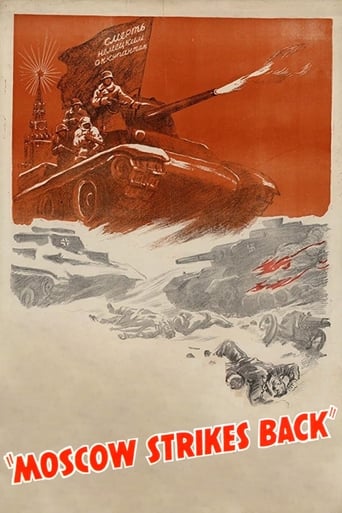
Collection of Films for the Armed Forces #8
"Russian film album for the war."
Keys: Space play/pause · ←/→ 10s · F fullscreen · M mute · </> speed
About this film
Russian film album for the war
Cast & crew
More films like this
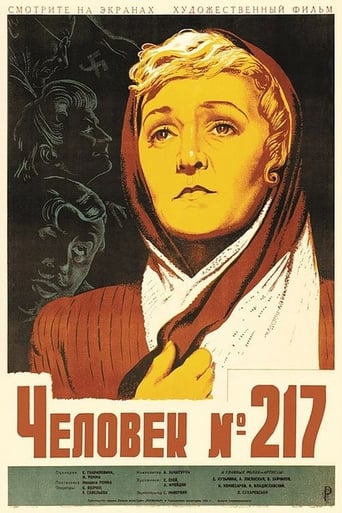
More from Leonid Lukov
View all →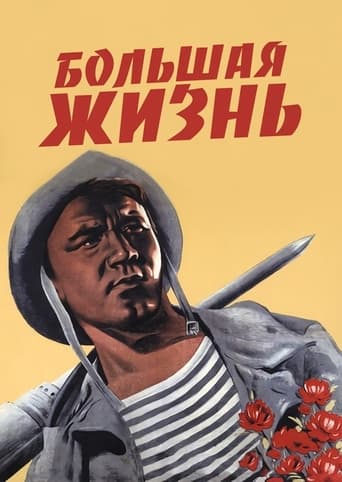
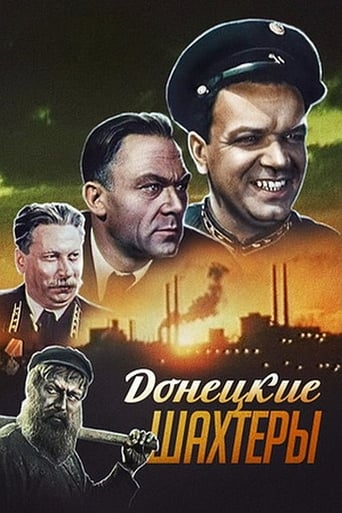
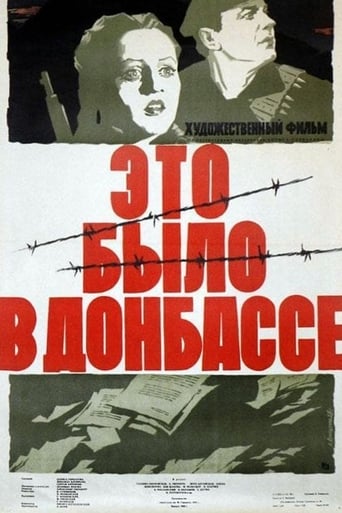
More about this film
About the production
Release date1942
ProductionMoscow Film Studio, Central Studio of Documentary Films
Filmed inMoscow, Various Soviet locations
was produced under extreme wartime conditions with limited resources, as part of a series of compilation films specifically created for military audiences. The production team worked under pressure to create content that could be quickly distributed to front-line troops. The film was likely assembled from existing footage, newly shot dramatic segments, and newsreel material, all edited together to create a cohesive entertainment package for soldiers.
Themes
Themes & topics
Historical background
Made around 1942, Collection of Films for the Armed Forces #8 engaged audiences already fluent in russian film album for the war as a screen subject.
Why this film matters
Archivists revisit Collection of Films for the Armed Forces #8 (1942) for performance styles and craft choices later mainstream releases refined.
Making of
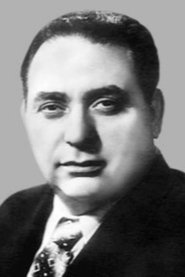
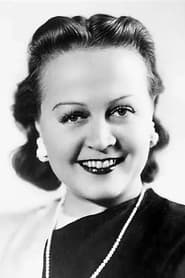
The production of Collection of Films for the Armed Forces #8 took place during among the leading challenging periods in Soviet history. The film industry, like all other sectors, was mobilized for the war effort. Director Leonid Lukov, who had already established himself with films like 'A Great Life' (1939), was tasked with creating content that would serve both entertainment and propaganda purposes. The cast, including notable actors like Tatyana Okunevskaya and Osip Abdulov, likely volunteered their services for the war effort. The production would have faced numerous challenges including limited film stock, power shortages, and the constant threat of bombing raids on Moscow. The compilation format allowed the filmmakers to work efficiently, combining new material with existing footage to create a complete film quickly. These productions were often rushed to meet the immediate needs of troops at the front, with little time for the extensive pre-production typical of peacetime films.
What critics said
Press files from 1942 mention Collection of Films for the Armed Forces #8 in roundup columns of what played that week.
Did you know?
- was part of a series of numbered compilation films produced specifically for Soviet military personnel during WWII
- Director Leonid Lukov was among the leading prominent Soviet directors of the wartime period, known for his patriotic films
- Tatyana Okunevskaya, one of the featured performers, was later arrested by Soviet authorities in 1948 and spent years in the Gulag
- Osip Abdulov was a famous Soviet actor and radio personality, particularly known for his voice work
- These compilation films were often shown in mobile cinema units that traveled directly to the front lines
- The film was created during the Battle of Stalingrad, among the leading critical periods of the war
- Such films were produced with minimal budgets and often used recycled footage from other productions
- The series continued throughout the war, with multiple numbered entries produced annually
- These films were considered crucial for maintaining troop morale during the darkest periods of the conflict
- Many of these wartime compilation films have been lost or are extremely rare due to the poor preservation conditions during the war
Visual style
The cinematography in this compilation film would have varied significantly between segments, reflecting the different sources of footage. Newsreel components would have the gritty, documentary style characteristic of wartime combat photography, while newly shot dramatic segments would employ more conventional Soviet film techniques of the period. The overall visual approach prioritized clarity and emotional impact over artistic experimentation, as the primary goal was communication and morale-boosting. Camera work would have been straightforward, with close-ups of actors for emotional moments and wider shots for collective scenes emphasizing unity and strength. The technical quality likely varied due to wartime constraints on equipment and film stock.
Innovations
The primary technical achievement of lies in its efficient production under extreme wartime conditions. The compilation format represented an innovative solution to the challenges of producing content quickly with limited resources. The ability to combine various types of footage into a cohesive whole demonstrated technical adaptability. The film's distribution to front-line areas, often using mobile projection units, was itself a significant logistical achievement given the difficulties of wartime transportation and the constant threat of enemy action.
Music
The soundtrack would have been crucial for the film's emotional impact, likely featuring patriotic songs, martial music, and dramatic underscoring appropriate to wartime content. Popular Soviet composers of the period may have contributed original music or existing patriotic songs would have been incorporated. Osip Abdulov, known for his distinctive voice, may have performed narration or musical numbers. The sound design would have emphasized clarity and emotional resonance, with music used to reinforce the film's patriotic messages and provide emotional support for the visual content.
Famous quotes
Quotes from specific compilation films of this period are rarely documented in English sources, as these were utilitarian works designed for immediate consumption rather than lasting cultural impact
Memorable scenes
- Specific scenes from this numbered compilation are not well-documented in available sources, but typical segments would have included musical performances by popular actors, dramatic sketches depicting heroic Soviet citizens, and newsreel footage of military actions or home front efforts
What audiences thought
For the intended audience of Soviet soldiers, these compilation films were generally well-received as they provided welcome entertainment and distraction from the harsh realities of front-line service. The films offered a connection to home and cultural life, which was particularly valuable for troops who had been away from civilian life for extended periods. Soldiers appreciated seeing familiar actors and hearing popular songs, even when the content was heavily propagandistic. The variety format, combining different types of content, helped maintain interest among diverse military audiences. However, reception would have varied depending on the specific circumstances of viewing and the soldiers' immediate experiences at the front.
Film connections
Influenced by
- Soviet montage theory
- Wartime propaganda traditions
- Newsreel compilation format
This film influenced
- Later Soviet wartime compilation films
- Post-war Soviet patriotic cinema
Film restoration
The preservation status of this specific film is unclear. Many Soviet wartime compilation films were considered disposable and were not systematically preserved. Some exist only in fragmentary form in Russian state archives, while others may be completely lost. The Gosfilmofond of Russia may hold copies, but access to specific numbered compilation films from this period can be limited.
Where to watch
- is extremely rare and unlikely to be available through conventional streaming services. Potential sources include Russian state archives (Gosfilmofond), specialized film archives with Soviet collections, or occasional screenings at film history conferences or museum exhibitions focusing on WWII cinema