Films
4 films
About Vasili Zajchikov
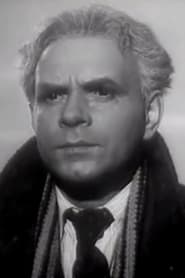
Soviet actor who had a brief but notable career during the World War II era and immediate post-war period. He emerged as a character actor in Soviet cinema during tumultuous periods in Russian history, appearing in several significant wartime and post-war productions. His filmography, though limited to roughly five years, includes some of the most important Soviet films of the 1940s, particularly those dealing with the war effort and its aftermath. Zajchikov's performances were characterized by his ability to embody the Soviet everyman, often portraying ordinary citizens caught in extraordinary circumstances. His work in films like 'Girl No. 217' demonstrated the Soviet cinema's focus on patriotic themes and human resilience during the war. Despite his relatively short career, Zajchikov contributed to the important cinematic documentation of the Soviet experience during WWII and the early post-war reconstruction period. His last known film appearance was in 1947, after which he seemingly disappeared from the cinematic landscape.
The Craft
On Screen
Zajchikov embodied the Soviet realist acting style, characterized by naturalistic portrayals of ordinary people in extraordinary circumstances. His performances emphasized the collective spirit and resilience of the Soviet people during wartime and reconstruction. He likely employed the Stanislavski system, which was dominant in Soviet theater and cinema of the era, focusing on psychological authenticity and emotional truth in his characterizations.
Milestones
- Appeared in 'Collection of Films for the Armed Forces #8' (1942) during WWII
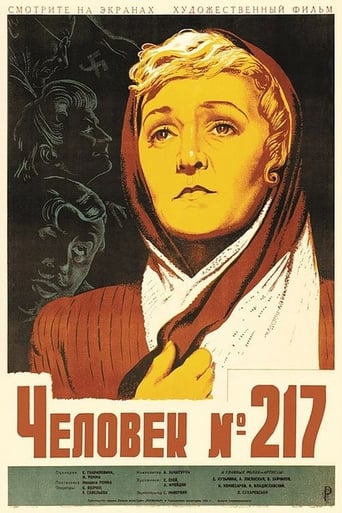
- Featured role in acclaimed war film 'Girl No. 217' (1945)
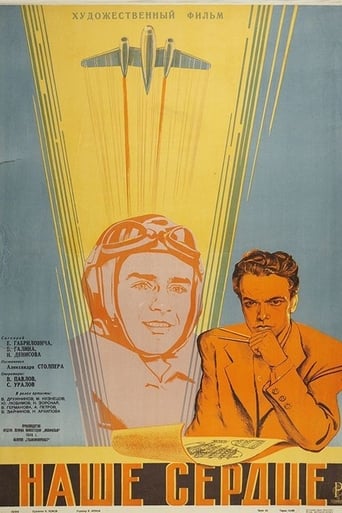
- Participated in post-war reconstruction narrative 'Our Heart' (1946)
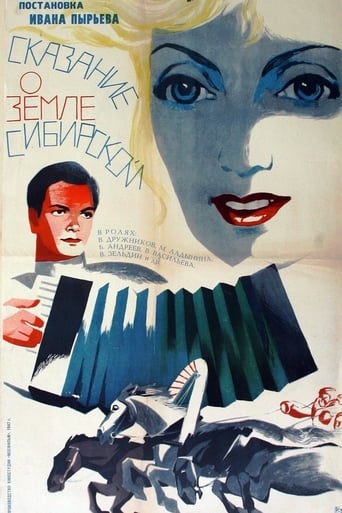
- Appeared in 'Tale of the Siberian Land' (1947) focusing on Soviet industrial development
Best Known For
Iconic Roles
Must-See Films
Working Relationships
Worked Often With
Studios
Why They Matter
Impact on Culture
Vasili Zajchikov contributed to the Soviet wartime cinema that served both as entertainment and as moral support for the population during. His appearances in films like 'Girl No. 217' helped shape the narrative of Soviet resistance and suffering during the Nazi invasion, contributing to the cultural memory of WWII that would influence generations of Soviet and Russian citizens. Though not a major star, his work as part of ensemble casts helped create the authentic atmosphere of Soviet cinema's golden age of wartime productions.
Lasting Legacy
Zajchikov's legacy lies in his contribution to the important body of Soviet wartime cinema that documented and shaped the national experience during WWII. His films, particularly 'Girl No. 217,' remain significant historical artifacts that provide insight into Soviet perspectives on the war and its human cost. As a character actor who appeared in multiple significant productions of the mid-1940s, he represents the countless supporting actors who were essential to creating the Soviet cinema during its most politically and socially significant period.
Who They Inspired
As a supporting actor in major Soviet productions, Zajchikov's influence would have been primarily through his contributions to the ensemble performances that defined Soviet cinema of the 1940s. His work helped establish the template for portraying ordinary Soviet citizens in wartime and post-war narratives, a style that would influence subsequent generations of Soviet actors.
Off Screen
Very little is documented about Vasili Zajchikov's personal life, which was not uncommon for character actors in Soviet cinema of the 1940s, especially those with relatively brief careers. Like many Soviet artists of his era, his personal details were often secondary to his contributions to the collective artistic effort of the state.
Did You Know?
- His entire known filmography spans only five years during the height of WWII and immediate post-war period
- 'Girl No. 217' was one of the first Soviet films to directly address the Nazi concentration camps
- The films he appeared in were part of Stalin's cultural policy to boost morale during wartime
- Soviet actors of his era often had their careers shaped by political rather than artistic considerations
- Character actors like Zajchikov were essential to Soviet cinema's emphasis on collective rather than individual heroism
- His career ended around the time of the post-war cultural crackdown known as Zhdanovshchina
Frequently Asked Questions
Who was Vasili Zajchikov?
Screen credits include several significant wartime and post-war films. He worked primarily as a character actor in productions that reflected the Soviet experience during WWII and the early reconstruction period.
What films is Vasili Zajchikov best known for?
Titles linked here include Girl No. 217 (1945), Our Heart (1946).
When was Vasili Zajchikov active in cinema?
Vasili Zajchikov's known film active years covered from 1942 to 1947, coinciding with World War II and the immediate post-war period in the Soviet Union. His entire documented filmography consists of films from this five-year period.
What was Vasili Zajchikov's acting style?
Zajchikov employed the Soviet realist acting style, likely influenced by the Stanislavski system, focusing on naturalistic portrayals of ordinary Soviet people. His performances emphasized authenticity and the collective spirit characteristic of Soviet cinema of the 1940s.
What is the significance of 'Girl No. 217'?
'Girl No. 217' was a Soviet war film that was among the first to address Nazi concentration camps from a Soviet perspective. It was a major production that contributed to the wartime narrative of Soviet resistance and suffering.
Why is there limited information about Vasili Zajchikov?
Limited information about Zajchikov is common for supporting actors in Soviet cinema of the 1940s, especially those with brief careers. Many character actors of this era received less documentation than major stars, and some records may have been lost or were never systematically preserved.