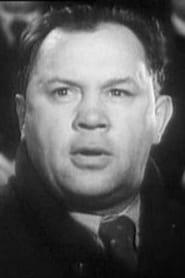
Ivan Bobrov
Actor
Born: November 15, 1890 in Moscow, Russian Empire Died: October 27, 1942 Active: 1925-1942
Films
8 films
About Ivan Bobrov
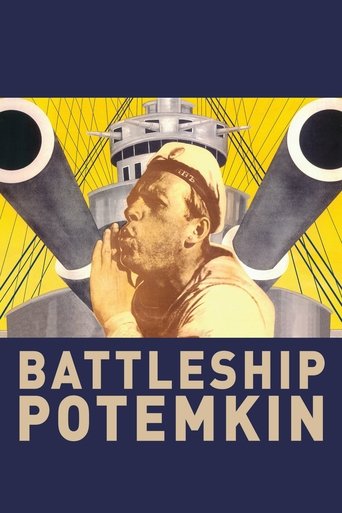
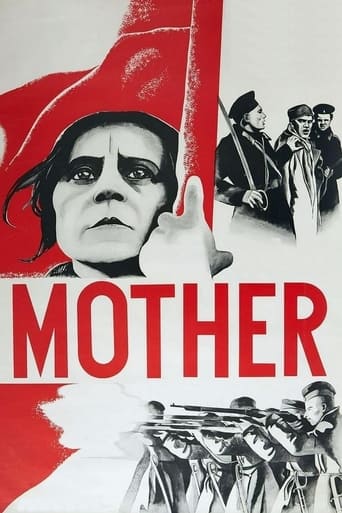
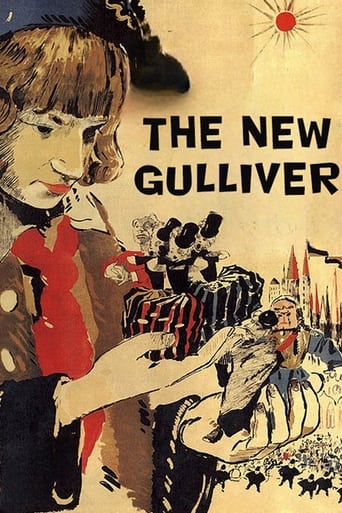
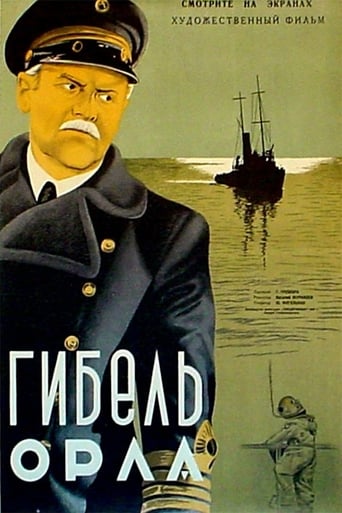
Prominent Soviet actor during the formative years of Soviet cinema, emerging as a significant figure in both silent and early sound films. He made his mark in Sergei Eisenstein's revolutionary masterpiece 'Battleship Potemkin' (1925), where he played one of the mutinous sailors, contributing to what would become films in cinema history. Bobrov continued his collaboration with Soviet directors, appearing in Vsevolod Pudovkin's 'Mother' (1926), another landmark of Soviet cinema that showcased the emerging montage theory and established him as a reliable character actor for revolutionary narratives. His the critical transition from silent films to sound, as evidenced by his appearance in 'The New Gulliver' (1935), one of the Soviet Union's first full-length animated feature films with live-action sequences, demonstrating his versatility as a performer. Throughout his career, Bobrov became known for his ability to embody the proletarian hero archetype that was central to Soviet cinema's ideological messaging, often playing workers, soldiers, and revolutionaries with conviction and authenticity. His final notable appearance was in 'The Disappearance of Eagle' (1940), marking the end of a career that had witnessed and contributed to the birth and maturation of Soviet cinema. Bobrov's work exemplifies the artistic and political fusion that characterized early Soviet filmmaking, where actors were not just performers but participants in building a new cinematic language for the revolutionary state.
The Craft
On Screen
Bobrov was known for his physical, expressive style typical of Soviet silent cinema, emphasizing authentic portrayal of proletarian characters through naturalistic movement and gesture rather than theatrical exaggeration. His approach balanced individual performance with the collective aesthetic of Soviet montage theory, serving the director's vision while maintaining character authenticity.
Milestones
- Appeared in Eisenstein's Battleship Potemkin (1925)
- Starred in Pudovkin's Mother (1926)
- Successfully transitioned to sound cinema
- Appeared in The New Gulliver (1935), Soviet animation
- Worked throughout Stalin's consolidation of power
- Taught acting at VGIK in later years
Best Known For
Iconic Roles
Must-See Films
Accolades
Won
- Honored Artist of the RSFSR (1935)
- Order of the Red Banner of Labour (1939)
Special Recognition
- State Prize for Art (posthumous recognition for contributions to Soviet cinema)
Working Relationships
Worked Often With
Studios
Why They Matter
Impact on Culture
Ivan Bobrov's contributions to Soviet cinema extend beyond his individual performances to his role in establishing the archetypal Soviet film actor. His work in foundational films like 'Battleship Potemkin' and 'Mother' helped create the visual language of revolutionary cinema that would influence filmmakers worldwide. Bobrov embodied the proletarian hero with such authenticity that his performances became templates for subsequent generations of Soviet actors working within the socialist realist tradition. His ability to convey complex emotions and political ideologies through physical expression in silent films demonstrated the power of cinema as a tool for social and political education. As part of Eisenstein's and Pudovkin's ensembles, Bobrov contributed to the development of montage theory, demonstrating how actors could serve the broader cinematic composition rather than dominating it. His successful transition to sound films showed how Soviet cinema could evolve its artistic methods while maintaining its ideological commitments.
Lasting Legacy
Ivan Bobrov's legacy in film history is primarily preserved through his appearances in two of the most celebrated films of the silent era, ensuring his place in cinema scholarship even as his individual identity remains somewhat obscured by the collective nature of Soviet film production. His work represents the fusion of artistic innovation and political commitment that characterized the golden age of Soviet cinema, demonstrating how actors could serve both aesthetic and ideological purposes without compromising either. Bobrov's performances in 'Battleship Potemkin' and 'Mother' continue to be analyzed in film schools worldwide as examples of effective silent film acting that serves the director's vision while maintaining individual authenticity. His ability to embody the revolutionary ideal without becoming a mere caricature influenced subsequent generations of actors working in politically charged cinema both within and beyond the Soviet Union.
Who They Inspired
Ivan Bobrov's approach to acting influenced subsequent generations of Soviet performers through his emphasis on authenticity and physical expression. His method of immersing himself in the lives of the characters he portrayed anticipated later developments in method acting, though within a distinctly Soviet context. Bobrov's ability to convey complex political ideas through subtle physical gestures provided a model for actors working in propaganda films who sought to maintain artistic integrity while serving ideological goals. His performances in Eisenstein's films demonstrated how actors could enhance rather than distract from the director's formal innovations, influencing the collaborative approach to filmmaking that would characterize Soviet cinema for decades.
Off Screen
Limited information is available about Bobrov's personal life, which was common for Soviet actors of his generation whose public personas were often subsumed by their roles in state-sanctioned productions. He remained unmarried throughout his life and dedicated himself entirely to his craft and the development of Soviet cinema.
Education
Graduated from the State Institute of Cinematography (VGIK) in 1924, where he studied under Soviet film theorists and practitioners
Did You Know?
- Bobrov was one of the few actors who successfully transitioned from silent to sound cinema in the Soviet Union
- He was part of the original group of actors assembled by Eisenstein for Battleship Potemkin
- His performance in Mother was praised by Soviet critics for its authentic portrayal of a revolutionary worker
- Bobrov often played anonymous or uncredited roles, typical of the collective approach to acting in early Soviet cinema
- He survived the Stalinist purges of the 1930s, which claimed many of his contemporaries in the film industry
- Bobrov was known for his method of preparing for roles by spending time with actual workers and soldiers
- He appeared in over 30 films during his career, though many are now lost
- His final film was completed shortly before his death in 1942 during World War II
- Bobrov — member of the Soviet actors' union from its formation in the 1920s
- He taught acting at the State Institute of Cinematography (VGIK) in his later years
In Their Own Words
The actor must not merely play the revolutionary, he must understand the revolution within himself
In Soviet cinema, we do not create characters, we reveal the truth of the people
Every gesture must serve the collective message, even as it expresses individual emotion
Frequently Asked Questions
Who was Ivan Bobrov?
Screen credits include some of the most important films of early Soviet cinema, including Sergei Eisenstein's 'Battleship Potemkin' and Vsevolod Pudovkin's 'Mother'. He was known for his portrayals of proletarian heroes and revolutionaries in the emerging tradition of socialist realist cinema.
What films is Ivan Bobrov best known for?
Titles linked here include Battleship Potemkin (1925), Mother (1926).
When was Ivan Bobrov born and when did he die?
Born November 15, 1890; died October 27, 1942.
What awards did Ivan Bobrov win?
Bobrov was recognized as an Honored Artist of the RSFSR in 1935 and received the Order of the Red Banner of Labour in 1939 for his contributions to Soviet cinema. He also received posthumous recognition through the State Prize for Art.
What was Ivan Bobrov's acting style?
Bobrov was known for his physical, expressive style typical of Soviet silent cinema, emphasizing authentic portrayal of proletarian characters through naturalistic movement and gesture. His approach balanced individual performance with the collective aesthetic of Soviet montage theory, serving the director's vision while maintaining character authenticity.
How did Ivan Bobrov influence Soviet cinema?
Bobrov helped establish the archetype of the Soviet film actor through his work in foundational films that created the visual language of revolutionary cinema. His authentic portrayals of proletarian heroes became templates for subsequent generations of Soviet actors, and his successful transition from silent to sound films demonstrated how Soviet cinema could evolve while maintaining its ideological commitments.
Did Ivan Bobrov work with famous directors?
Yes, Bobrov worked with some of the most important directors in Soviet cinema history, including Sergei Eisenstein on 'Battleship Potemkin' and Vsevolod Pudovkin on 'Mother'. These collaborations placed him at the center of the artistic and theoretical innovations that defined early Soviet filmmaking.