
Mother
"Pudovkin's revolutionary trilogy alongside."
Keys: Space play/pause · ←/→ 10s · F fullscreen · M mute · </> speed
About this film
A Soviet woman is caught between her husband and son, who find themselves on opposing sides of the Russian Revolution. It depicts the radicalization of a mother, during the Russian Revolution of 1905, after her husband is killed and her son is imprisoned. Based on the 1906 novel The Mother by Maxim Gorky, it is the first installment in Pudovkin's "revolutionary trilogy", alongside The End of St.
Cast & crew
More films like this

More Drama films
View all →







More from Vsevolod Pudovkin
View all →
More about this film
About the production
Release dateOctober 13, 1926 (Soviet Union premiere)
Box officeNot applicable - Soviet films were not commercially distributed in the modern sense
ProductionGoskino, Mezhrabpom-Rus
Filmed inMoscow studios, Location shooting in and around Moscow
Based on Maxim Gorky's 1906 novel of the same name. Pudovkin adapted the novel with significant changes to emphasize the revolutionary message. The film was shot during a period of intense creative experimentation in Soviet cinema. Production took approximately 6-8 months, which was typical for the era. The factory scenes were filmed in actual industrial settings to achieve maximum authenticity. Pudovkin insisted on using real workers as extras in the demonstration scenes to enhance the film's documentary-like quality.
Themes
Political awakeningMotherhood and revolutionary struggleIndividual transformationClass consciousnessThe power of collective action
Themes & topics
Russian RevolutionPolitical awakeningMother-son relationshipClass struggleRevolutionary propagandaWorking classTsarist oppressionPolitical imprisonmentWorkers' demonstrationRed flag symbolism
Historical background
Production circa 1926 placed Mother within the technical habits of its era—intertitles, studio sets, and regional distribution networks.
Why this film matters
Festival and repertory screenings keep Mother in circulation among silent- and classic-film communities.
Making of
Pudovkin approached 'Mother' as both an artistic and ideological project, believing cinema could serve as a tool for social education and revolutionary propaganda. He developed a unique editing style that contrasted with Eisenstein's approach, focusing more on psychological development through associative montage rather than intellectual montage. The famous scene where the mother imagines her son in prison was created through innovative superimposition techniques. Pudovkin spent months preparing his actors, particularly Vera Baranovskaya, using exercises derived from Stanislavski's system to achieve naturalistic performances. The factory demonstration sequence involved hundreds of extras and was choreographed like a military operation to achieve the desired visual impact. Pudovkin insisted on multiple takes of key emotional scenes, pushing his actors to exhaustion to capture authentic emotional responses. The ice-breaking sequence required dangerous filming conditions with actors working in freezing temperatures to achieve realism.
What critics said
Modern retrospectives screen Mother for craft context—pacing, performance, and camera choices of 1926.
Did you know?
- Director Vsevolod Pudovkin was a student of Lev Kuleshov and helped develop the influential Kuleshov effect theory of montage
- The film was considered lost for decades before being rediscovered and restored in the 1960s
- Vera Baranovskaya, who played the mother, was a theater actress making her film debut
- Pudovkin wrote a seminal book on film theory titled 'Film Technique and Film Acting' where he used 'Mother' as a primary example
- The film's structure follows five distinct episodes: 'The Meeting,' 'The Home,' 'The Arrest,' 'The Trial,' and 'The Street Demonstration'
- Maxim Gorky, the author of the source novel, personally approved Pudovkin's adaptation despite significant changes from the book
- The famous ice-breaking scene was created using special effects involving glass and clever editing techniques
- The film was banned in several countries including the United States until the 1930s due to its revolutionary content
- Pudovkin cast non-professional actors for many of the worker roles to achieve greater authenticity
- The red flag in the final scene was actually white during filming and colored red through tinting in post-production
Awards & recognition
- Named one of the Top 12 Greatest Films of All Time by the Brussels World's Fair (1958)
- Voted Best Film of the Year by Soviet critics (1926)
- Honored at the First International Film Festival in Moscow (1935)
Visual style
The cinematography by Anatoli Golovnya was revolutionary for its time, featuring innovative camera movements and compositions that enhanced the psychological drama. Golovnya employed dynamic tracking shots during the demonstration sequences and used unusual camera angles to emphasize the mother's changing perspective. The film's visual style evolved from static, composed shots in the early scenes to more dynamic, mobile cinematography as the mother becomes politically awakened. The famous ice-breaking sequence used multiple cameras and creative angles to create a metaphor for revolutionary force. Golovnya experimented with focus and depth of field to create visual hierarchies that guided viewers' attention to key emotional elements. The film's black and white photography featured rich tonal contrasts that enhanced the dramatic impact of key scenes, particularly the prison sequences and the final demonstration.
Innovations
Mother pioneered several technical innovations that became standard in cinema. Pudovkin developed what he called 'relational editing,' where shots were linked not just by content but by emotional and psychological associations. The film featured innovative use of superimposition to represent internal psychological states, particularly in the mother's dream sequences. The ice-breaking scene demonstrated groundbreaking special effects using combination printing and multiple exposure techniques. Pudovkin experimented with varying shot lengths to control emotional rhythm, using shorter cuts during moments of tension and longer takes for emotional reflection. The film's structure, divided into five distinct episodes, influenced narrative approaches in both Soviet and international cinema. The demonstration sequences featured complex crowd choreography that required precise timing and coordination, setting new standards for mass scenes in film.
Music
As a silent film, Mother was originally accompanied by live musical performances that varied by theater. The original Soviet score was composed by Vladimir Deshevov and emphasized Russian folk themes combined with modernist elements to reflect the film's blend of traditional and revolutionary themes. The score used leitmotifs to represent different characters and ideas, with the mother's theme evolving from simple, melodic passages to more complex, triumphant arrangements as she undergoes her transformation. Modern restorations have featured newly composed scores by artists such as Timothy Brock, who created orchestral arrangements that respect the film's Soviet origins while appealing to contemporary audiences. The original musical cues emphasized percussive elements during the demonstration scenes to create rhythmic momentum, while using more lyrical passages for the intimate family moments.
Famous quotes
Don't be afraid, mother. The truth is stronger than the Tsar." - Pavel to his mother
I was blind, but now I see." - The mother during her political awakening
The ice is breaking! The ice is breaking!" - Chanted during the demonstration sequence
Memorable scenes
- The ice-breaking sequence where workers use their collective strength to break through frozen river ice, serving as a powerful metaphor for revolutionary force
- The mother's nightmare sequence where she imagines her son suffering in prison, using innovative superimposition techniques
- The final demonstration scene where the mother transforms from passive observer to active participant by seizing the red flag
- The prison visitation scene where the mother's political awakening begins through her son's revolutionary teachings
- The factory strike sequence that showcases Pudovkin's mastery of crowd choreography and dynamic editing
What audiences thought
Soviet audiences in 1926 responded enthusiastically to Mother, with many reporting that it helped them understand the revolutionary struggle through its personal, emotional approach. The film was particularly popular among workers and peasants who could identify with the mother's journey from political ignorance to revolutionary consciousness. International audiences were initially limited due to political barriers, but where it was shown, it often received strong responses for its emotional power. The film's success led to increased demand for similar works that combined political messaging with personal drama. Over the decades, audiences at revival screenings have continued to respond strongly to the film's emotional core and technical brilliance. Modern audiences often report being surprised by how contemporary the film feels despite its age, particularly its sophisticated editing and emotional storytelling.
Film connections
Influenced by
- Maxim Gorky's novel 'Mother' (1906)
- Lev Kuleshov's montage theory
- D.W. Griffith's narrative techniques
- German Expressionist cinema
- Soviet constructivist art
- Stanislavski's acting system
This film influenced
- The End of St. Petersburg (1927)
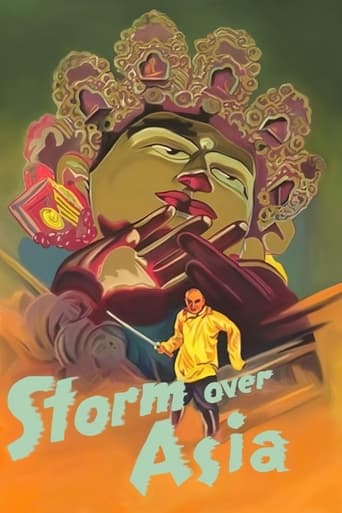
- Storm Over Asia (1928)
- The New Babylon (1929)
- October: Ten Days That Shook the World (1928)
- The General Line (1929)
- Zemlya (1930)
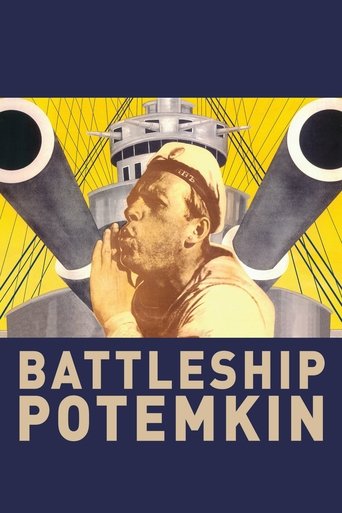
- The Battleship Potemkin (1925) - in terms of revolutionary cinema development
Film restoration
The film was believed lost for many years but was rediscovered in the Gosfilmofond archive in Moscow. It has been fully restored by several archives including the Museum of Modern Art and the British Film Institute. The most recent restoration was completed in 2005 using original negatives and multiple print sources to create the most complete version available. The restored version includes tinted sequences that match the original 1926 release. The film is preserved in the National Film Registry of the Library of Congress for its cultural and historical significance.
Where to watch
- Available on The Criterion Channel
- Streaming on MUBI
- DVD/Blu-ray from Criterion Collection
- Available on Kanopy (with library access)
- Streaming on Fandor
- Available for viewing at film archives and cinematheques worldwide
- Occasionally screened at film festivals and revival houses