
Films
2 films
About Anna Zemtsova
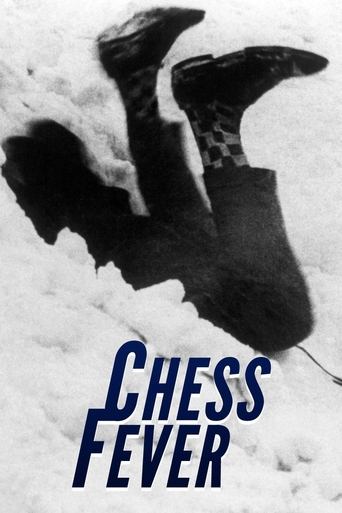
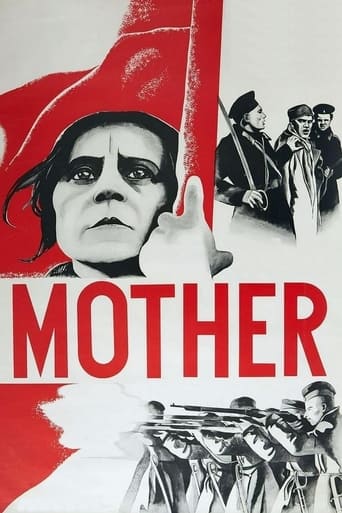
Soviet actress who emerged during the golden age of Soviet silent cinema in the mid-1920s. Though her career was remarkably brief, spanning only from 1925 to 1926, she managed to appear in two of the most significant Soviet films of that era. Her debut was in the comedy 'Chess Fever' (1925), a film that captured the chess craze sweeping the Soviet Union at the time. The following year, she appeared in Vsevolod Pudovkin's masterpiece 'Mother' (1926), an adaptation of Maxim Gorky's revolutionary novel that would become one of the cornerstones of Soviet cinema. Despite working with acclaimed directors and appearing in historically important films, Zemtsova's acting career appears to have ended as quickly as it began, with no known film credits after 1926. Like many actors from early Soviet cinema, detailed records of her life and career remain scarce, reflecting the limited documentation and preservation of personal histories from that period.
The Craft
On Screen
Based on her appearances in Soviet silent films, Anna Zemtsova likely employed the exaggerated physical acting style typical of silent cinema, with emphasis on facial expressions and body language to convey emotion. Her work in both comedy and drama suggests versatility in her performance approach.
Milestones
- Appeared in 'Chess Fever' (1925), one of the earliest Soviet film comedies
- Starred in Vsevolod Pudovkin's revolutionary masterpiece 'Mother' (1926)
- Worked during the formative years of Soviet cinema
- Participated in films that showcased early Soviet cinematic techniques
Best Known For
Iconic Roles
Must-See Films
Working Relationships
Worked Often With
Studios
Why They Matter
Impact on Culture
Anna Zemtsova's contribution to cinema, while brief, is significant due to her participation in two foundational works of Soviet cinema. 'Mother' is widely regarded as. 'Chess Fever' represents an early example of Soviet comedy and provides valuable insight into Soviet cultural life during the 1920s. Though her individual performances may not have been extensively documented, her presence in these films connects her to the revolutionary artistic movement that defined early Soviet cinema.
Lasting Legacy
Anna Zemtsova's legacy is preserved through her appearances in two historically significant Soviet films that continue to be studied by film scholars and cinephiles. While she may not have achieved lasting fame as an individual performer, her work contributes to our understanding of Soviet cinema's development during its most creative period. The films she appeared in remain important artifacts of cinematic history, ensuring that her contribution, however small, is remembered as part of the broader tapestry of early 20th century filmmaking.
Who They Inspired
Due to the brevity of her career and limited documentation of her work, Anna Zemtsova's direct influence on other actors or filmmakers is difficult to trace. However, her participation in films that pioneered cinematic techniques and storytelling methods means she was part of a movement that would influence generations of filmmakers globally, particularly in the development of montage theory and revolutionary cinema aesthetics.
Off Screen
Very little is documented about Anna Zemtsova's personal life, which is not uncommon for Soviet actors from the silent era whose careers were brief and occurred before extensive personal documentation became standard in the film industry.
Did You Know?
- Her entire known film active years covered only two years (1925-1926)
- Both films she appeared in were directed by Vsevolod Pudovkin
- 'Mother' (1926) is considered one of the greatest Soviet films ever made
- 'Chess Fever' was inspired by the real chess fever that swept Moscow during the 1925 International Chess Tournament
- She worked during the period when Soviet cinema was establishing its unique artistic identity
- Her filmography represents both comedy and drama, showing versatility in her early career
- The limited documentation of her life reflects the challenges of researching early Soviet film actors
- Both of her films survive today and are available for study and viewing
- Her career coincided with the peak of Soviet silent cinema before the transition to sound
- Like many Soviet actors of her era, her biographical details remain largely undocumented
Frequently Asked Questions
Who was Anna Zemtsova?
Soviet actress active during the silent film era in the mid-1920s, known for her appearances in two significant Soviet films: 'Chess Fever' (1925) and 'Mother' (1926). Though her career was brief, she worked with acclaimed director Vsevolod Pudovkin during a formative period of Soviet cinema.
What films is Anna Zemtsova best known for?
Titles linked here include Chess Fever (1925), Mother (1926).
When was Anna Zemtsova born and when did she die?
Unfortunately, specific birth and death dates for Anna Zemtsova are not documented in available historical records, which is common for many Soviet actors from the silent era who had brief careers and limited personal documentation.
What awards did Anna Zemtsova win?
There are no documented awards or honors received by Anna Zemtsova, which reflects both the brief nature of her career and the limited recognition systems in place for Soviet cinema during the mid-1920s.
What was Anna Zemtsova's acting style?
Based on her work in silent films, Anna Zemtsova likely employed the physical and expressive acting style typical of the silent era, using exaggerated gestures and facial expressions to convey emotions, which was standard practice before the advent of synchronized sound in cinema.