

Chess Fever
"Chess obsession invades everyday life"
Keys: Space play/pause · ←/→ 10s · F fullscreen · M mute · </> speed
About this film
With an international chess tournament in progress, a young man becomes completely obsessed with the game. His fiancée has no interest in it, and becomes frustrated and depressed by his neglect of her, but wherever she goes she finds that she cannot escape chess. On the brink of
Cast & crew
More Comedy films
View all →






More from Vsevolod Pudovkin
View all →
More about this film
About the production
Release date1925
ProductionGoskino
Filmed inMoscow, Soviet Union
The film was shot on location during the actual 1925 Moscow International Chess Tournament, capturing real tournament footage and authentic atmosphere. Director Vsevolod Pudovkin utilized the tournament as both backdrop and central plot device, incorporating real chess players and spectators. The production benefited from the unprecedented access granted to film crews during this major international sporting event, which drew chess masters from around the world. The film's short length (approximately 28 minutes) was typical of Soviet comedies of the period, designed as a supporting feature rather than a main attraction.
Themes
Obsession and its effects on relationshipsThe cultural significance of chess in Soviet societyConflict between intellectual pursuit and romantic loveThe spread of ideas and passions through societyReconciliation of opposing interests in relationships
Themes & topics
Historical background
Chess Fever appeared in 1925, when the late silent period and the transition to sound shaped how movies were financed, distributed, and discussed. Audiences of the day encountered the work amid shifting tastes in acting, pacing, and spectacle. Its focus on with an international chess tournament in progress, a young man becomes completely obsessed with the game mirrors themes circulating in popular culture of that moment.
Why this film matters
Chess Fever (1925) belongs to the wider archive of world cinema, documenting with an international chess tournament in progress, a. Archivists and historians value such titles for what they reveal about craft, genre, and audience expectations. Restorations and festival screenings keep the work visible to viewers far beyond its first run.
Making of
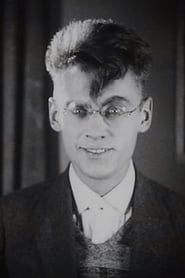
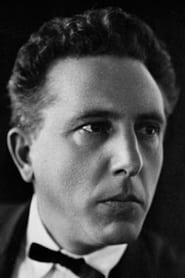
The production of Chess Fever was remarkably opportunistic, as Pudovkin recognized the cinematic potential of the major international chess tournament taking place in Moscow. The director secured permission to film during the actual event, allowing him to capture authentic tournament atmosphere and include real chess masters as background players. Vladimir Fogel, who played the obsessed protagonist, was especially popular comic actors in Soviet cinema at the time, known for his expressive face and physical comedy skills. The film's production was relatively quick and inexpensive by Soviet standards, taking advantage of existing locations and the natural drama of the tournament. Pudovkin, who was developing his theories of montage alongside Eisenstein and Kuleshov, used this short comedy as a laboratory for experimenting with rhythmic editing and the juxtaposition of images to create comedic effect. The inclusion of Capablanca was not initially planned but occurred when the Cuban champion showed interest in the film project during the tournament.
What critics said
Press coverage from 1925 is fragmentary for many titles of this vintage; surviving notices for Chess Fever tend to stress novelty, star power, or topical appeal. Later writing places the picture within its national and generic context, weighing both period conventions and moments that still land for modern viewers. Streaming and disc releases have revived discussion among classic-film audiences.
Did you know?
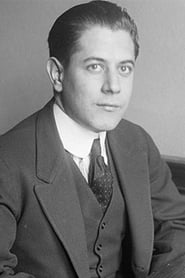
- Features an authentic cameo by reigning World Chess Champion José Raúl Capablanca, who was participating in the actual 1925 Moscow Tournament
- The film was shot during the real 1925 Moscow International Chess Tournament, one of the strongest chess tournaments ever held at that time
- Director Vsevolod Pudovkin was not only a filmmaker but also a serious chess player himself, bringing authentic understanding to the subject
- The tournament depicted included players like Emanuel Lasker, José Raúl Capablanca, Alexander Alekhine, and Richard Réti
- Chess Fever is considered one of the earliest films to focus on chess as a central theme, predating most other chess-related movies by decades
- The film was part of a trilogy of comedies Pudovkin made in 1925, though it's the only one that has achieved lasting fame
- Real chess positions and games from the tournament were incorporated into the film's narrative
- The movie showcases Moscow in the mid-1920s, providing valuable historical documentation of the city during the NEP period
- Pudovkin used the film to experiment with montage techniques, particularly in sequences showing the spread of chess fever throughout the city
- The film's title in Russian is 'Шахматная горячка' (Shakhmatnaya goryachka), which literally translates to 'Chess Hot Fever'
Awards & recognition
- No specific awards recorded - Soviet films of this period were not typically entered in international competitions
Visual style
The cinematography of Chess Fever combines documentary-style footage of the actual tournament with staged narrative scenes, creating a seamless blend of reality and fiction. The camera work captures the intense concentration of chess players and the electric atmosphere of the tournament hall, using close-ups effectively to show the drama of individual games. Pudovkin employs dynamic camera movements and varied angles to maintain visual interest throughout the short runtime, particularly in sequences showing the spread of chess fever through Moscow. The black and white photography takes full advantage of the high contrast available in silent film stock, creating striking visual patterns with the chess boards and geometric arrangements of pieces. The film demonstrates Pudovkin's mastery of visual storytelling, using composition and movement to convey emotion and advance the narrative without dialogue. The cinematography successfully captures both the intimate moments of the romantic storyline and the grand scale of the international tournament, creating a rich visual texture that enhances the film's dual themes of personal love and intellectual passion.
Innovations
Chess Fever demonstrates several technical innovations typical of the Soviet montage school, particularly in its rhythmic editing sequences that show chess fever spreading throughout Moscow. Pudovkin's use of cross-cutting between the tournament action and the romantic storyline creates effective dramatic tension and comedic contrast. The film's integration of documentary footage with staged narrative was relatively advanced for its time, blurring the lines between fiction and reality in a way that would influence later documentary filmmakers. The technical execution of the chess sequences required careful planning to ensure that the games and positions shown were authentic and visually comprehensible to audiences. The film's successful use of actual tournament locations and participants represents an early example of what would later be called cinema vérité techniques. Pudovkin's experimentation with perspective and focus in the chess sequences creates visual metaphors for obsession and concentration that enhance the storytelling. The technical achievement of maintaining narrative coherence while incorporating real tournament footage demonstrates sophisticated planning and execution.
Music
As a silent film, Chess Fever was originally accompanied by live musical performance, typically a piano or small orchestra in Soviet theaters. The original score has not survived, but contemporary screenings typically use period-appropriate music ranging from classical pieces to light comedic compositions that match the film's tone. Modern restorations often feature newly composed scores that blend early 20th-century musical styles with contemporary sensibilities. The musical accompaniment would have been crucial in establishing the film's mood, particularly in distinguishing between the romantic tension and the excitement of the chess tournament. The rhythm of the editing suggests that the original music would have been lively and syncopated during the chess sequences and more melodic during the romantic moments. The absence of recorded dialogue makes the musical score particularly important in conveying the emotional arc of the story and maintaining audience engagement throughout the short runtime.
Famous quotes
As a silent film, Chess Fever contains no spoken dialogue, but its visual storytelling creates memorable moments: the protagonist's eyes widening at the sight of a chess board, his fiancée's frustrated gestures as he ignores her for the game, Capablanca's charming smile as he helps resolve the romantic conflict
Memorable scenes
- The opening sequence showing Moscow gripped by chess fever, with people playing chess everywhere from parks to factories; The heartbreaking moment when the fiancée realizes her beloved cares more about his chess game than about their relationship; The magical encounter with Capablanca, who uses his charm and wisdom to bridge the gap between the lovers; The final reconciliation scene where chess becomes a shared passion rather than a source of conflict
What audiences thought
Chess Fever was popular with Soviet audiences upon its release, who appreciated its humorous take on the chess craze that had swept Moscow during the tournament. The film's relatable story of romantic conflict amid obsession resonated with viewers, while the inclusion of real chess champions added to its appeal. Chess enthusiasts particularly enjoyed the authentic tournament atmosphere and the rare opportunity to see players like Capablanca on film. The movie's short length and comedic elements made it an ideal supporting feature in theater programs of the era. International audiences who discovered the film in later decades were charmed by its innocent humor and fascinated by its historical documentation of early 20th-century chess. The film has maintained a dedicated following among both classic film enthusiasts and chess players, who continue to seek it out for its unique combination of interests. Its enduring popularity is evidenced by its regular inclusion in film festivals and retrospectives focusing on either silent cinema or chess-related films.
Film connections
Influenced by
- Soviet montage theory
- German expressionist comedy
- American slapstick comedy
- Documentary filmmaking techniques
This film influenced
- Searching for Bobby Fischer
- Queen of Katwe
- Fresh
- The Luzhin Defence
- Pawn Sacrifice
Film restoration
Chess Fever has survived in remarkably good condition for a film of its era and has been restored by several film archives. The film is preserved in the Gosfilmofond archive in Russia and has been made available through various restoration projects. Multiple versions exist with different musical scores, but the visual content remains consistent across preserved copies. The film's survival is particularly valuable given its documentation of the 1925 tournament and its inclusion of rare footage of chess champions. Recent digital restorations have enhanced the image quality while preserving the original film's visual characteristics. The film is regularly screened at film festivals, museums, and special events focusing on either silent cinema or chess history.
Where to watch
- Available on YouTube with various musical accompaniments
- Included in the Criterion Collection's 'Rediscovering Soviet Cinema' set
- Streaming on MUBI and other classic film platforms
- Available on DVD from various distributors specializing in silent films
- Screened occasionally at film festivals and museum retrospectives
- Accessible through university film libraries and archives