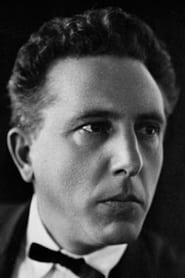
Yakov Protazanov
Actor & Director
Born: February 4, 1881 in Moscow, Russian Empire Died: August 8, 1945 Active: 1909-1945 Birth Name: Yakov Alexandrovich Protazanov
Films
13 films
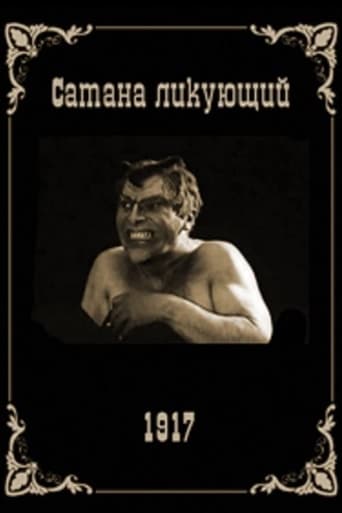
Satan Triumphant
1917
The Death of Ivan the Terrible
1909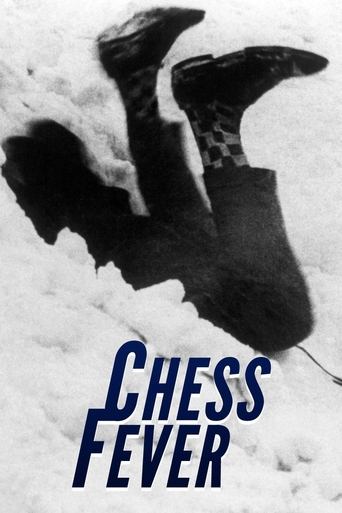
Chess Fever
1925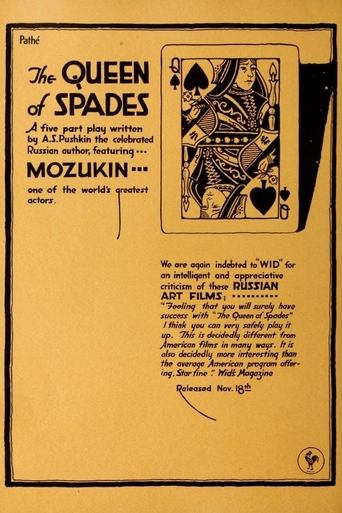
The Queen of Spades
1916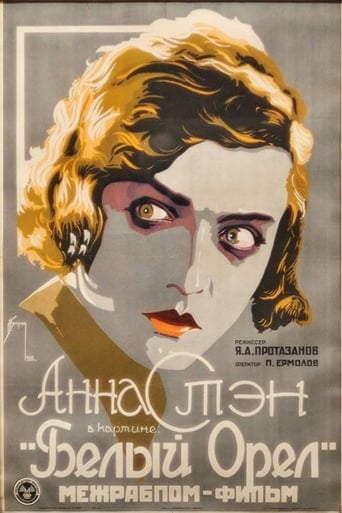
The White Eagle
1928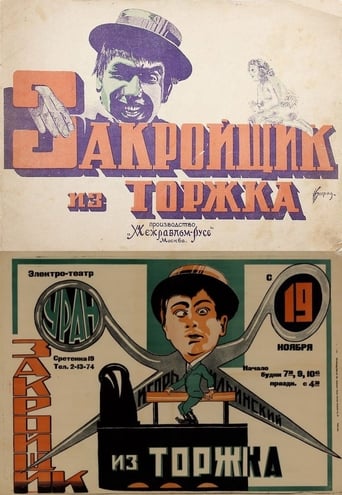
The Tailor from Torzhok
1925
Marionettes
1934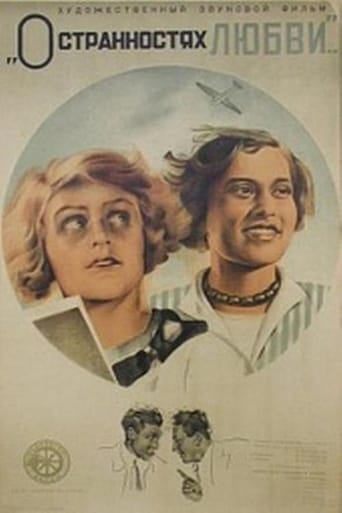
On the Strangeness of Love
1936
The Case of the Three Million
1926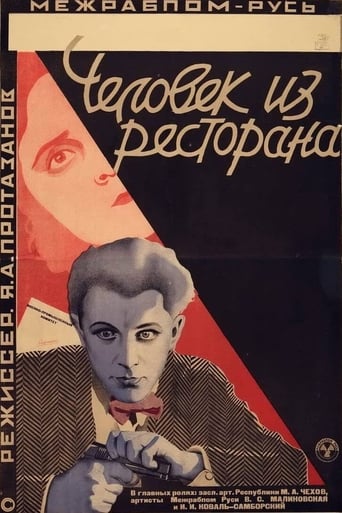
The Man from the Restaurant
1927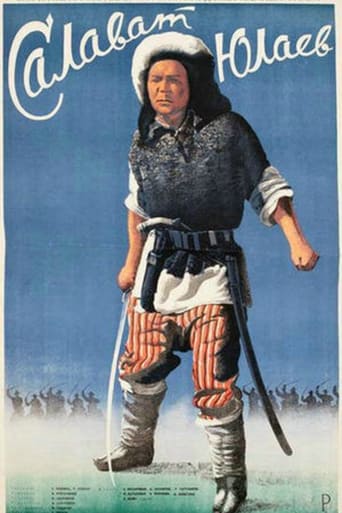
Salavat Yulayev
1941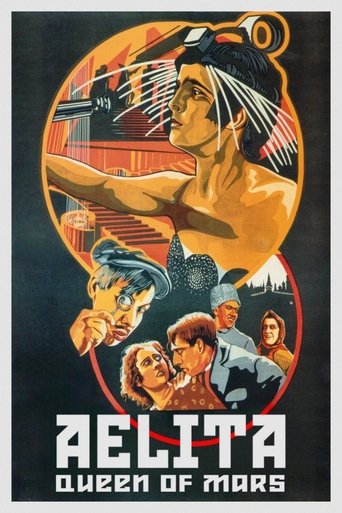
Aelita: Queen of Mars
1924About Yakov Protazanov
Yakov Alexandrovich Protazanov was and figures in Russian and Soviet cinema, active from the silent era through the early sound period. Born in Moscow in 1881, he began his film career in 1909 as an actor before quickly transitioning to directing, where he would make his most significant contributions. Protazanov established himself excelled in literary adaptations, bringing works by Pushkin, Tolstoy, and Dostoevsky to the screen with remarkable artistic vision. During the Russian Revolution, he briefly worked in France and Germany before returning to the Soviet Union in 1923, where he continued his prolific filmmaking career. His 1924 science fiction masterpiece 'Aelita: Queen of Mars' became an international sensation and one of the earliest examples of the genre in cinema. Throughout his career, Protazanov demonstrated remarkable versatility, directing everything from historical epics and literary adaptations to comedies and science fiction. He continued working actively until his death in 1945, leaving behind a legacy of over 60 films that helped shape the foundations of Russian cinema.
The Craft
On Screen
As an actor, Protazanov primarily appeared in early Russian films before focusing on directing. His performances were typical of the theatrical style prevalent in early cinema, with exaggerated gestures and expressions suited to the silent medium. However, his brief acting career was mainly a stepping stone to his more significant contributions behind the camera.
Behind the Camera
Protazanov was known for his sophisticated visual style and innovative narrative techniques. He masterfully blended psychological depth with spectacular visual elements, particularly evident in his adaptations of literary works. His approach to directing emphasized strong character development and meticulous attention to period detail, while also embracing cinematic innovations like special effects and complex set designs. Protazanov was particularly adept at creating atmospheric tension and visual symbolism, making his films both artistically ambitious and commercially successful.
Milestones
- Directed the first Russian feature film 'The Queen of Spades' (1916)
- Created the science fiction film 'Aelita: Queen of Mars' (1924)
- Successfully transitioned from silent to sound films
- Adapted numerous Russian literary classics to film
- Worked in multiple countries including Russia, France, and Germany
- Mentored several generations of Soviet filmmakers
- Received the title of People's Artist of the RSFSR
Best Known For
Iconic Roles
Must-See Films
Accolades
Won
- People's Artist of the RSFSR (1944)
- Order of the Red Banner of Labour
- Stalin Prize (1943, posthumously for 'The Marriage of Balzaminov')
Nominated
- Multiple Soviet state film awards nominations throughout his career
Special Recognition
- Honored Artist of the RSFSR (1935)
- People's Artist of the RSFSR (1944)
- Multiple Soviet state decorations for contributions to cinema
Working Relationships
Worked Often With
Studios
Why They Matter
Impact on Culture
Yakov Protazanov's impact on Russian and world cinema cannot be overstated. As one of the pioneers of Russian film, he helped establish the artistic and technical foundations for the country's cinema industry. His adaptations of Russian literature introduced classic works to mass audiences and demonstrated cinema's potential as a serious art form. 'Aelita: Queen of Mars' revolutionized science fiction filmmaking with its innovative set design and visual effects, influencing countless future filmmakers in the genre. Protazanov's ability to work successfully across different political systems - from Imperial Russia through the Revolution to the Soviet era - demonstrated cinema's resilience as an art form. His films were among the first Russian productions to achieve international recognition, helping establish Soviet cinema's reputation on the world stage.
Lasting Legacy
Protazanov's legacy endures through his extensive filmography, which includes some of the most important works in Russian cinema history. His work in literary adaptation set standards that filmmakers still follow today, while his innovative techniques in visual storytelling influenced generations of directors. The preservation and restoration of his films continue to provide insight into early 20th-century Russian culture and society. Film scholars and historians regularly study his work as examples of how cinema can bridge artistic ambition with popular appeal. Protazanov's career shows artistic integrity during times of political upheaval, demonstrating how great art can transcend political boundaries. His name remains synonymous with the golden age of Russian cinema, and his films are regularly featured in retrospectives and film festivals worldwide.
Who They Inspired
Protazanov's influence extended far beyond his own films, shaping the development of Soviet cinema and inspiring directors worldwide. His success in adapting literary classics influenced later directors like Sergei Bondarchuk and Andrei Tarkovsky in their approach to literary adaptation. The visual techniques he pioneered in 'Aelita' influenced science fiction filmmakers from Fritz Lang to Stanley Kubrick. His ability to balance artistic vision with commercial success provided a model for filmmakers working within state-controlled systems. Many of his protégés and assistants went on to become prominent directors in their own right, carrying forward his cinematic philosophy. International filmmakers studying Soviet cinema often begin with Protazanov's work as a bridge between early cinema and the more experimental Soviet montage theory that followed.
Off Screen
Protazanov led a relatively private personal life, dedicating himself primarily to his cinematic work. He was married twice, with his first marriage ending in divorce. His second marriage to actress Olga Preobrazhenskaya lasted until his death. Despite the political turmoil of the Russian Revolution and subsequent Soviet era, Protazanov managed to navigate the changing political landscape while maintaining his artistic integrity. He was known for his professionalism and dedication to the craft of filmmaking, earning respect from colleagues and government officials alike.
Education
Moscow Commercial School; studied painting and art privately before entering film industry
Family
- First wife (1905-1915, divorced)
- Olga Preobrazhenskaya (1916-1945, until his death)
Did You Know?
- Was one of the first Russian directors to work in multiple countries, including France and Germany
- His film 'Aelita: Queen of Mars' featured groundbreaking constructivist set designs by Aleksandra Ekster
- Survived the Russian Revolution by working abroad before returning to Soviet Russia
- His 1927 film 'The Man from the Restaurant' was one of the first Soviet films to achieve major international success
- Was known for his meticulous attention to historical detail in period films
- Often wrote or co-wrote screenplays for his own films
- His film 'The Queen of Spades' was considered lost for decades before being rediscovered
- Worked with some of the biggest stars of early Russian cinema, including Vera Kholodnaya
- Successfully transitioned from silent films to talkies, unlike many of his contemporaries
- His films were among the first to be exported from Soviet Russia to Western countries
- Maintained artistic independence despite working under the strict Soviet system
- Was friends with many prominent Russian writers and artists of his time
In Their Own Words
Cinema is not just entertainment, it is the art of our time, capable of expressing the deepest thoughts and emotions of humanity
To adapt literature to film is not to betray it, but to give it new life through the magic of the moving image
The director must be both an artist and a craftsman, balancing vision with practical reality
Every film is a journey into the unknown, even when the story is familiar
The camera sees what the eye cannot, revealing truths that words alone cannot express
Frequently Asked Questions
Who was Yakov Protazanov?
Russian and Soviet on YTB.my. He directed over 60 films, including the groundbreaking science fiction classic 'Aelita: Queen of Mars' and numerous literary adaptations.
What films is Yakov Protazanov best known for?
Titles linked here include The Queen of Spades (1916), Aelita: Queen of Mars (1924).
When was Yakov Protazanov born and when did he die?
Born February 4, 1881; died August 8, 1945.
What awards did Yakov Protazanov win?
Protazanov received the title of People's Artist of the RSFSR in 1944, the Order of the Red Banner of Labour, and was posthumously awarded the Stalin Prize in 1943 for his film 'The Marriage of Balzaminov'. He was also named Honored Artist of the RSFSR in 1935.
What was Yakov Protazanov's directing style?
Protazanov was known for his sophisticated visual style, innovative narrative techniques, and masterful adaptation of literary works. He blended psychological depth with spectacular visual elements, emphasized strong character development, and demonstrated remarkable versatility across genres from historical epics to science fiction.
How did Protazanov influence Soviet cinema?
Protazanov helped establish the artistic and technical foundations for Russian cinema, pioneered literary adaptation techniques, and demonstrated how to maintain artistic integrity under political constraints. His success in international markets helped establish Soviet cinema's global reputation, and he mentored generations of filmmakers who followed him.