The Queen of Spades
"Three cards, one secret"
Keys: Space play/pause · ←/→ 10s · F fullscreen · M mute · </> speed
About this film
Yakov Protazanov adapts Pushkin's Queen of Spades gambling secret passed from aged countess. While hosting a game of cards one night, Narumov tells his friends a story about his grandmother, a Countess. As a young woman, she had once incurred an enormous gambling debt, which she was able to erase by learning a secret that guaranteed that she could win by playing her card.
Cast & crew
More films like this
More Horror films
View all →

More from Yakov Protazanov
View all →


More about this film
About the production
Release dateDecember 19, 1916
Box officeUnknown - box office records from 1916 Russia were not maintained in modern formats
ProductionKhanzhonkov Company
Filmed inMoscow, Russian Empire
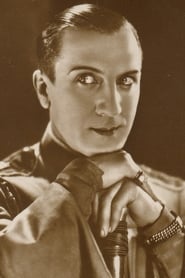
The film was especially ambitious productions of its time in Russia, featuring elaborate sets designed to recreate 19th-century St. Petersburg. The production used innovative special effects techniques including double exposure and superimposition for the supernatural sequences. The film was shot during the height of World War I, which created challenges for production but also contributed to its dark, atmospheric tone. Ivan Mosjoukine, who played German, was already one of Russia's biggest stars and brought tremendous intensity to the role.
Themes
Obsession and greedThe supernatural versus the rationalPsychological breakdownThe corrupting influence of gamblingThe consequences of forbidden knowledge
Themes & topics
gamblingghostobsessioncardssupernaturalmadnesssecretlovebetrayalpsychological thrillerhorror19th centuryRussian aristocracycard gamevision
Historical background
1916 placed The Queen of Spades within Russian Empire cinema as Khanzhonkov Company navigated wartime markets, immigration audiences, and the shift from intertitles to sound.
Why this film matters
Archivists revisit The Queen of Spades (1916) for Yakov Protazanov style, genre norms at Khanzhonkov Company, and the exhibition context of 71 minutes programming.
Making of
The production of 'The Queen of Spades' was a major undertaking for the Khanzhonkov Company, Russia's leading film studio of the era. Director Yakov Protazanov was determined to create a film that would showcase the artistic potential of Russian cinema. The cast and crew worked under difficult conditions, as Russia was deeply involved in World War I during production. Mosjoukine's method acting approach was unusual for the time - he would isolate himself to maintain the psychological intensity required for German's descent into madness. The supernatural sequences required innovative techniques, including multiple exposures and careful matte work, which were cutting-edge for 1916. The film's success helped establish horror and psychological thriller as viable genres in Russian cinema, though the revolution would soon transform the country's film industry entirely.
What critics said
Retrospective writing on The Queen of Spades stresses craft by Yakov Protazanov, print survival, and repertory value rather than opening-week gross alone.
Did you know?
- This was the first film adaptation of Alexander Pushkin's famous 1834 short story 'The Queen of Spades'
- Ivan Mosjoukine's performance was so intense that he reportedly suffered from nightmares during filming
- The film was released just months before the Russian Revolution of 1917, making it one of the last major productions of Imperial Russian cinema
- The supernatural sequences were considered groundbreaking for their use of special effects, particularly the ghost appearances
- Director Yakov Protazanov would later become leading directors in Soviet cinema
- The film's sets were so elaborate that they took months to construct and were praised for their historical accuracy
- The gambling scenes used real card experts as consultants to ensure authenticity
- The film was a commercial success and was exported to several European countries
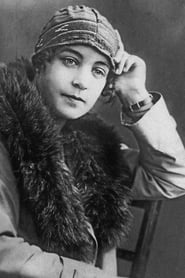
- Vera Orlova, who played Lizaveta, was only 19 years old during filming
- The film's original Russian title 'Пиковая дама' is still used in Russia today
Visual style
The cinematography by Nikolai Kozlovsky was highly advanced for its time, featuring innovative camera techniques and lighting effects. The film used dramatic lighting contrasts to create psychological tension, particularly in the scenes involving the Countess and supernatural elements. The gambling sequences were shot with dynamic camera movements unusual for the period. The ghost appearances were achieved through sophisticated double exposure techniques that created convincing supernatural effects. The film's visual style combined realistic period detail with expressionistic lighting for the psychological sequences. The cinematography effectively conveyed the story's progression from rational society to psychological breakdown through increasingly distorted visual techniques. The restored versions reveal the remarkable quality of the original photography and the sophisticated visual storytelling.
Innovations
The film featured several technical innovations for its time, particularly in special effects. The supernatural sequences used pioneering double exposure techniques to create ghostly appearances. The production employed sophisticated matte painting techniques for establishing shots of 19th-century St. Petersburg. The film's lighting design was advanced, using dramatic contrasts to create psychological atmosphere. The gambling sequences featured innovative camera work to convey tension and excitement. The production design included historically accurate costumes and sets that were remarkably detailed for the period. The film's editing techniques, particularly in the psychological breakdown sequences, were sophisticated and effective in conveying German's descent into madness. The preservation of these technical achievements in surviving prints demonstrates the high quality of the original production.
Music
As a silent film, 'The Queen of Spades' would have been accompanied by live musical performances during its original theatrical run. Theaters typically employed pianists or small orchestras to play appropriate music. The score would have included classical pieces, popular songs of the era, and specially composed mood music. For the supernatural sequences, dissonant and dramatic music would have been used to enhance the eerie atmosphere. Modern screenings and DVD releases often feature newly composed scores by silent film specialists. These contemporary scores typically use a combination of period-appropriate classical music and original compositions that reflect the film's psychological horror elements. The absence of recorded dialogue makes the visual storytelling and musical accompaniment particularly important to the film's effectiveness.
Famous quotes
The three, the seven, the ace will win for you, if you play them in succession... but play no more cards that night, or you will draw the queen of spades and lose everything
I am not afraid of cards, but I am afraid of the secret that lies behind them
When you have gained the secret, you will wish you had never sought it
The cards do not cheat, but those who seek to master them are cheated by their own ambition
Memorable scenes
- The supernatural sequence where the Countess's ghost appears to German in his bedroom, achieved through innovative double exposure effects that were terrifying for 1916 audiences
- The final gambling scene where German's psychological breakdown culminates in him drawing the queen of spades instead of the winning ace, intercut with visions of the laughing Countess
- The confrontation scene where German threatens the elderly Countess with a pistol, leading to her death from fright
- The atmospheric card game opening where the story of the Countess's secret is first revealed, establishing the film's themes
- Lizaveta's emotional scenes as she realizes German has been using her merely to access the Countess
What audiences thought
The film was a major commercial success upon its release in 1916, drawing large audiences in Moscow and St. Petersburg. Contemporary accounts describe viewers being genuinely frightened by the supernatural sequences, particularly the ghost appearances. The psychological intensity of the story resonated with wartime audiences. The film's success led to increased interest in literary adaptations and horror themes in Russian cinema. After the revolution, the film was briefly banned by Soviet authorities for its 'bourgeois' themes but was later recognized for its artistic merit. Modern audiences who have seen restored versions often comment on the film's surprising sophistication and effectiveness in creating tension without dialogue. The film remains popular among silent film enthusiasts and is frequently shown at classic film festivals.
Film connections
Influenced by
- Alexander Pushkin's 1834 short story 'The Queen of Spades'
- German Expressionist cinema (which it predated but influenced)
- Contemporary Russian literature of the psychological school
- European horror traditions
- 19th-century Russian aristocratic culture
This film influenced
- Later adaptations of 'The Queen of Spades' including the 1949 British version
- German Expressionist horror films of the 1920s
- Soviet psychological films of the 1920s
- Later Russian horror and supernatural films
- International psychological thriller cinema
Film restoration
The film has survived in remarkably good condition for a 1916 production. A complete print exists in the Gosfilmofond archive in Russia, and restored versions have been made available for modern viewing. The film has undergone digital restoration, revealing the quality of the original cinematography. Some deterioration is visible in certain sequences, but the film is essentially complete and viewable. The survival of this pre-revolutionary Russian film is remarkable, as many films from this period were lost during the revolutionary period and subsequent decades. The restored versions have been screened at international film festivals and released on DVD, allowing modern audiences to appreciate this important work of early cinema.
Where to watch
- Available on DVD from specialist silent film distributors
- Screened occasionally at classic film festivals and cinematheques
- Available through some streaming services specializing in classic cinema
- Viewable at film archives and museums including the Gosfilmofond in Russia
- Part of educational collections on early Russian cinema