Films
3 films
About Polikarp Pavlov
Russian actor who worked during the turbulent period of the Russian Revolution, appearing in silent films between 1916 and 1918. His brief but notable career coincided with the golden age of Russian silent cinema, just before the Bolshevik Revolution completely transformed the country's film industry. Pavlov appeared in several significant adaptations of Russian literary classics, working with prominent directors of the era. His filmography, though short, includes adaptations of works by Pushkin and Tolstoy, suggesting he was associated with prestigious literary productions. Like many actors of his generation, his career was likely disrupted or ended by the political and social upheavals of 1917. Very little documentation survives about his personal life or career beyond his film appearances, which was common for many actors from this period whose records were lost during the subsequent decades of political turmoil.
The Craft
Milestones
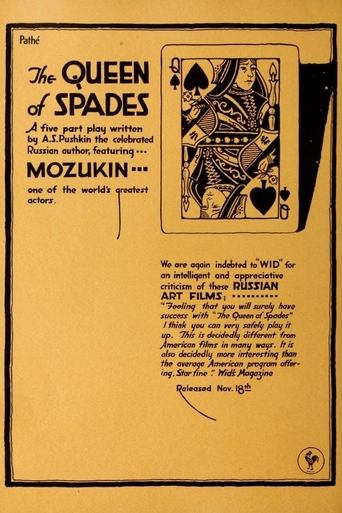
- Appeared in The Queen of Spades (1916)
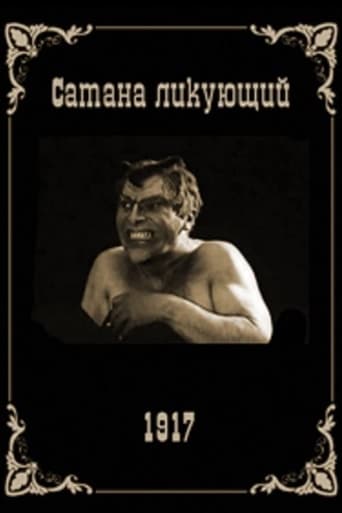
- Starred in Satan Triumphant (1917)
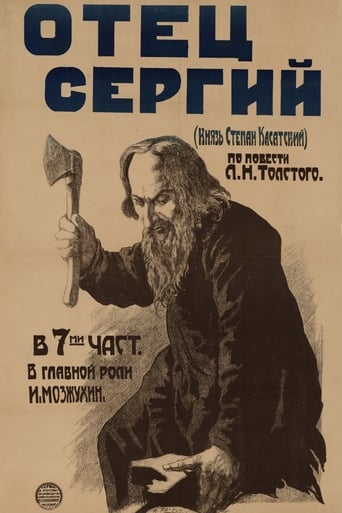
- Featured in Father Sergius (1918)
Best Known For
Must-See Films
Why They Matter
Impact on Culture
Polikarp Pavlov represents the generation of Russian actors who worked during the final years of Imperial Russia's film industry. His participation in literary adaptations during this period reflects the sophisticated artistic ambitions of pre-revolutionary Russian cinema, which often drew from the country's rich literary tradition. Though his individual contribution may have been modest, he was part of an important transitional period in Russian film history that bridged the imperial era with the revolutionary avant-garde that would follow.
Lasting Legacy
Due to the limited survival of records from early Russian cinema and the political disruptions of the early Soviet period, Polikarp Pavlov's legacy remains largely undocumented. His surviving film appearances provide valuable glimpses into the acting styles and production values of late Imperial Russian cinema. Like many actors of his era, his work serves as an important historical record of the artistic achievements of Russian silent film just before the revolutionary transformations of the industry.
Who They Inspired
There is no documented evidence of Polikarp Pavlov's direct influence on other actors or filmmakers, which is common for actors from this obscure period of Russian cinema history. The disruptions caused by the Russian Revolution likely prevented the establishment of lasting professional relationships or mentorship opportunities that could have carried his influence forward.
Off Screen
Very little information survives about Polikarp Pavlov's personal life, which was typical for many actors from the early Russian silent film period. Many personal records were lost during the political upheavals of the Russian Revolution and the subsequent decades of Soviet rule.
Did You Know?
- Polikarp Pavlov's entire known film active years covered only three years during the Russian Revolution
- All three of his known films were adaptations of classic Russian literature
- His career coincided with the collapse of the Russian Empire and the rise of Soviet power
- Like many Russian actors from this period, his personal records were likely lost during the political upheavals
- The films he appeared in represent some of the last major productions of Imperial Russian cinema
- His film work occurred during what is considered the golden age of Russian silent film
- The lack of documentation about his life is typical for actors from this turbulent period in Russian history
Frequently Asked Questions
Who was Polikarp Pavlov?
Screen credits include several literary adaptations during the final years of Imperial Russian cinema.
What films is Polikarp Pavlov best known for?
Titles linked here include The Queen of Spades (1916), Satan Triumphant (1917).
When was Polikarp Pavlov born and when did he die?
Unfortunately, no birth or death records for Polikarp Pavlov have survived, which is common for actors from this period of Russian cinema history.
What awards did Polikarp Pavlov win?
There are no records of Polikarp Pavlov receiving any awards or formal recognition during his brief career in the 1910s.
What was Polikarp Pavlov's acting style?
No specific documentation exists about Pavlov's acting style, though as a Russian silent film actor of the 1910s, he likely employed the theatrical techniques common to the era.
Why is so little known about Polikarp Pavlov?
The scarcity of information about Pavlov reflects the broader loss of records from early Russian cinema due to the political upheavals of the 1917 Revolution and subsequent Soviet era.