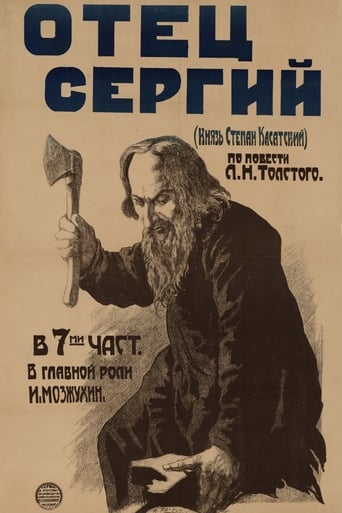
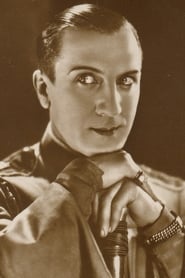
Ivan Mosjoukine
Actor & Director
Born: October 8, 1889 in Penza, Russian Empire Died: January 17, 1939 Active: 1911-1930 Birth Name: Ivan Ilyich Mozzhukhin (Иван Ильич Мозжухин)
Films
15 films

Defence of Sevastopol
1911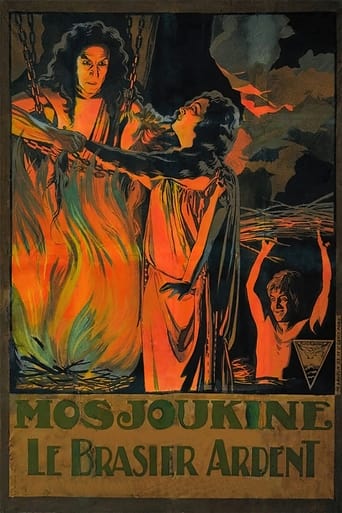
The Burning Crucible
1923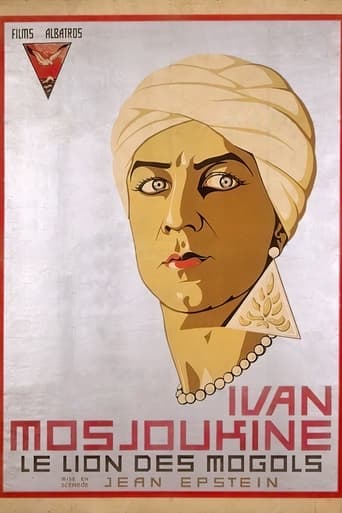
The Lion of the Moguls
1924
Satan Triumphant
1917
Uncle's Apartment
1913
The Night Before Christmas
1913
Chrysanthemums
1914
The Little House in Kolomna
1913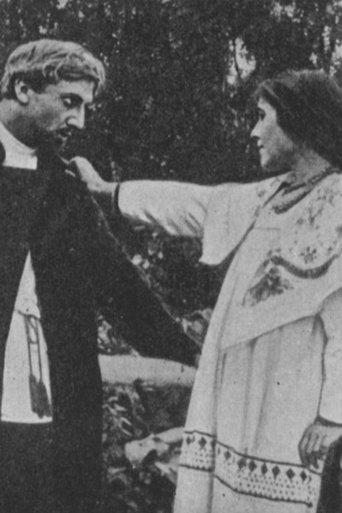
The Peasants' Lot
1912No Poster
The Robber Brothers
1912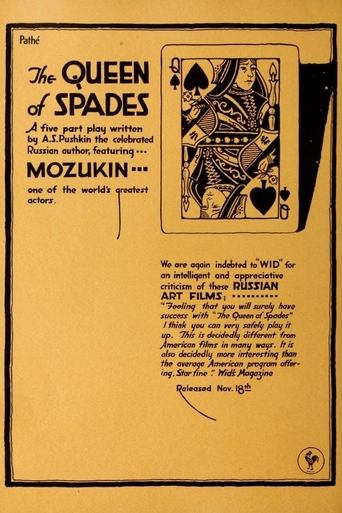
The Queen of Spades
1916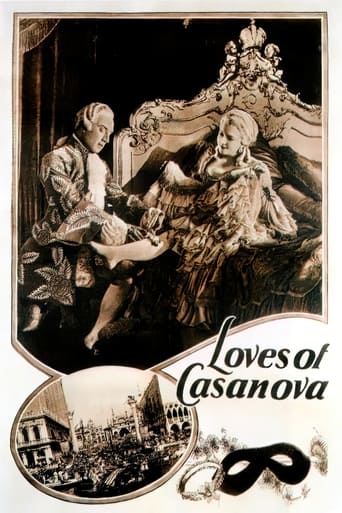
Loves of Casanova
1927No Poster
The White Devil
1930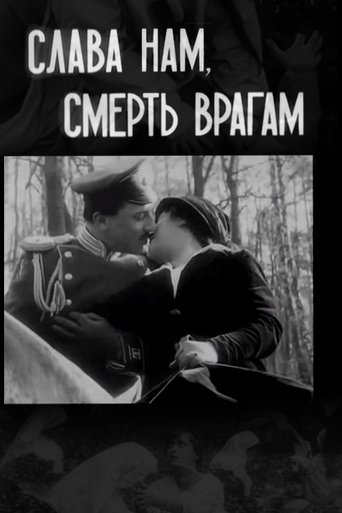
Glory to Us, Death to the Enemy
1914About Ivan Mosjoukine
Ivan Mosjoukine was born Ivan Ilyich Mozzhukhin on October 8, 1889, in Penza, Russian Empire, and became actors of the silent era. He began his career on stage before transitioning to film in 1911 with the Khanzhonkov film company, quickly rising to stardom in Russian cinema with his intense performances and striking screen presence. Following the Russian Revolution of 1917, Mosjoukine emigrated to France along with other Russian artists, where he continued his successful career with Films Albatros, becoming an international star. He expanded his talents to directing, creating several notable films including 'The Burning Crucible' (1923), which showcased his sophisticated understanding of cinematic language. His collaborations with renowned directors like Jacques Feyder and Abel Gance produced some of the most memorable European films of the 1920s. With the advent of sound cinema, Mosjoukine's career declined due to his thick Russian accent, leading to his retirement from film in 1930. He spent his final years in Paris, where he died on January 17, 1939, leaving behind a legacy as one of the greatest actors of the silent era.
The Craft
On Screen
Mosjoukine was renowned for his intensely emotional and physically expressive acting style, characterized by his ability to convey complex psychological states through subtle facial expressions and body movements. He possessed a remarkable range that allowed him to portray both tragic heroes and charismatic villains with equal conviction. His performances were marked by a hypnotic screen presence, with his piercing eyes and distinctive features creating an unforgettable visual impact. Unlike many of his contemporaries who relied on exaggerated gestures, Mosjoukine developed a more naturalistic approach that influenced the evolution of film acting, bringing a depth of psychological realism to his roles that was ahead of its time.
Behind the Camera
As a director, Mosjoukine demonstrated a sophisticated understanding of visual storytelling, incorporating innovative camera techniques and dramatic lighting to enhance emotional impact. His films often explored complex psychological themes and character studies, reflecting his deep interest in human nature and motivation. He experimented with narrative structure and visual metaphors, creating a distinctive cinematic language that blended Russian theatrical traditions with emerging European film aesthetics. His direction emphasized mood and atmosphere over plot mechanics, using composition and movement to create emotional resonance.
Milestones
- Starred in Yakov Protazanov's acclaimed 'The Queen of Spades' (1916)
- International breakthrough with 'Kean' (1924)
- Directed and starred in 'The Burning Crucible' (1923)
- Collaborated with Jacques Feyder on 'The Knight of the Night' (1925)
- Memorable performance in Abel Gance's epic 'Napoléon' (1927)
- Became the highest-paid actor in Europe during the 1920s
- Subject of Lev Kuleshov's famous editing experiments demonstrating montage theory
Best Known For
Iconic Roles
Must-See Films
Accolades
Special Recognition
- Honored Artist of the Russian Republic (pre-revolution)
Working Relationships
Worked Often With
Studios
Why They Matter
Impact on Culture
Ivan Mosjoukine played a crucial role in establishing the artistic legitimacy of cinema as a medium for serious dramatic performance, particularly in the transition from theatrical to film acting styles. His international success helped bridge Russian and European cinema during the turbulent period following the Russian Revolution, demonstrating that film could transcend national boundaries and cultural differences. His work with Lev Kuleshov contributed to the development of montage theory, one of the fundamental principles of film editing. Mosjoukine's ability to convey complex emotions without dialogue helped establish the vocabulary of silent film acting that would influence generations of performers.
Lasting Legacy
Mosjoukine's legacy endures through his preserved films, which continue to be studied by film scholars and screened at classic film festivals worldwide. He is remembered as one of the first true international film stars, paving the way for later actors to build global careers. His innovative acting techniques, which blended psychological depth with visual expressiveness, influenced the development of film acting from exaggerated pantomime to more naturalistic performance styles. The Films Albatros company, where he was the star attraction, played a significant role in establishing Paris as a center of international film production during the 1920s.
Who They Inspired
Mosjoukine's intense yet nuanced acting style influenced numerous performers who followed, including Greta Garbo, who reportedly studied his techniques for conveying emotion through subtle expression. His work demonstrated the power of close-up shots and facial expressions in creating psychological depth, influencing directors like Carl Theodor Dreyer and Ingmar Bergman. The Kuleshov experiments using footage of Mosjoukine became foundational texts in film schools worldwide, teaching generations of filmmakers about the power of editing and context in creating meaning. His approach to character development and emotional authenticity prefigured method acting techniques that would emerge in later decades.
Off Screen
Mosjoukine was married to actress Natalya Lisenko, with whom he frequently collaborated both before and after their emigration from Russia. The couple had a tumultuous relationship that eventually ended in divorce, though they continued to work together professionally. Before pursuing acting, Mosjoukine had studied law at Moscow University, demonstrating his intellectual capabilities beyond his artistic talents. He was known for his sophisticated tastes and multilingual abilities, speaking Russian, French, and English fluently, which helped facilitate his international career. Despite his fame, he remained somewhat reclusive and was described by colleagues as intensely private and dedicated to his craft.
Education
Moscow University (law studies, discontinued), Moscow Art Theatre (acting training)
Family
- Natalya Lisenko (1915-1927)
Did You Know?
- Was the subject of Lev Kuleshov's famous editing experiments that demonstrated how viewers derive more meaning from the interaction of two sequential shots than from a single shot in isolation
- Was reportedly paid the equivalent of $10,000 per week during his European peak, making him one of the highest-paid actors in the world
- Spoke five languages fluently, which helped facilitate his international career
- Originally studied law before abandoning it for a career in acting
- His distinctive appearance and intense performances made him a favorite subject of European artists and photographers
- Turned down offers from Hollywood studios, preferring to work in Europe
- Was known for his method approach to roles, often remaining in character between takes
- His films were banned in the Soviet Union for decades due to his émigré status
- Developed his own makeup techniques to enhance his expressive features for the camera
- Was a skilled painter and created many artworks during his lifetime
In Their Own Words
The camera sees everything, especially what you try to hide. In film, truth is not just visible, it's inevitable.
Silence is not the absence of words, but the presence of emotion. In the cinema of the eye, the heart speaks louder than any voice.
To act before the camera is to reveal your soul to a machine that never forgets and never lies.
The greatest tragedy of the talking picture is that it taught actors to speak again when they had just learned to communicate with their eyes.
Frequently Asked Questions
Who was Ivan Mosjoukine?
Celebrated Russian silent film actor and on YTB.my. Known for his intense performances and striking screen presence, he was a major figure in both Russian and European cinema before the advent of sound films ended his career.
What films is Ivan Mosjoukine best known for?
Titles linked here include The Queen of Spades (1916), Kean (1924).
When was Ivan Mosjoukine born and when did he die?
Born October 8, 1889; died January 17, 1939.
What awards did Ivan Mosjoukine win?
While formal film awards were limited during his era, Mosjoukine was recognized as an Honored Artist of the Russian Republic before the revolution and was widely regarded as one of the highest-paid and most respected actors in Europe during the 1920s. His critical acclaim came through reviews rather than formal award ceremonies.
What was Ivan Mosjoukine's acting style?
Mosjoukine was known for his intensely emotional yet nuanced acting style, characterized by his ability to convey complex psychological states through subtle facial expressions and body movements. He pioneered a more naturalistic approach to silent film acting, using his expressive eyes and controlled gestures to create deep emotional impact without exaggerated melodrama.