

Loves of Casanova
"Republic of Venice, 1760"
Keys: Space play/pause · ←/→ 10s · F fullscreen · M mute · </> speed
About this film
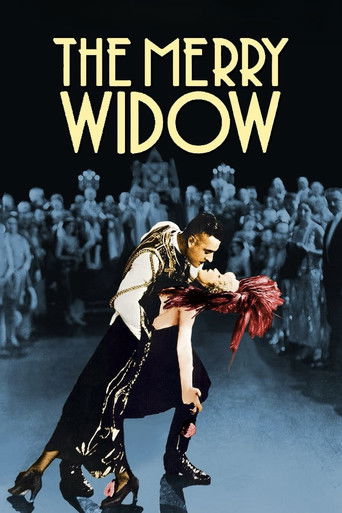
Republic of Venice, 1760. Pursued by a vengeful husband, the intrepid womanizer Casanova, who symbolizes the decline of the city and its fall into debauchery, manages to escape and, by a circuitous route, arrives in Saint Petersburg, where he will be involved in the many plots that threaten the throne of Czar Peter III….
Cast & crew
More films like this

More Drama films
View all →







More from Alexandre Volkoff
View all →More about this film
About the production
Release dateNovember 4, 1927 (France)
Box officeBox office figures not documented for this period
ProductionSociété des Films Albatros, Films Alexandre Kamenka
Filmed inParis, France, Studio de Joinville, Location shooting in Venice-like sets
The picture was among the costliest French productions of 1927, featuring elaborate sets designed to recreate both 18th century Venice and Saint Petersburg. Director Alexandre Volkoff, a Russian émigré, brought authentic Russian cultural elements to the Saint Petersburg sequences. The production faced challenges in creating convincing period costumes and props, with extensive research conducted into 18th century fashion and architecture. The picture utilized the technical expertise of the Albatros studio, known for their high production values in the 1920s.
Themes
Moral decay and redemptionPolitical intrigue and powerThe nature of love and desireCultural identity and exileThe decline of aristocracy
Themes & topics
Historical background
Produced Loves of Casanova reflects Société des Films Albatros's release strategy for France markets at a moment when cinema technology and taste were shifting quickly.
Why this film matters
Programmers and historians revisit Loves of Casanova (1927) because its story—republic of venice, 1760—illustrates popular narrative habits and production norms of the period.
Making of
The production of 'Loves of Casanova' was a massive undertaking for the French film industry in 1927. Director Alexandre Volkoff, working with the prestigious Albatros studio, assembled an international cast led by the Ivan Mosjoukine, whose performance as Casanova was considered his defining role. the picture's screenplay was written by Ivan Mosjoukine himself, along with Alexandre Volkoff and Jacques Lerner, drawing heavily from Casanova's memoirs while taking dramatic liberties for cinematic effect. The production design was handled by Russian émigré artists who brought authentic knowledge of both Venetian and Russian architecture and culture. The filming took nearly six months, with the cast and crew working long hours to complete the elaborate sequences. the picture's most challenging scene involved a complex chase through the canals of Venice, which required building massive water tanks at the Joinville studio. Mosjoukine, known for his perfectionism, reportedly performed many of his own stunts, including dangerous horseback riding sequences. the picture's score was composed by renowned French musician Henri Verdun, who created a sweeping romantic score that complemented the picture's epic scope.
What critics said
English-language trade reviews of Loves of Casanova are limited for 1927. Where notices survive, they stress pacing and photographic clarity; later criticism values the title as archival evidence of studio style.
Did you know?
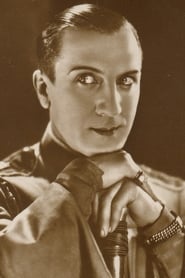
- Ivan Mosjoukine, who plays Casanova, was widely known Russian actors of his time before emigrating to France after the Bolshevik Revolution
- the picture was known in France as 'Les Amours de Casanova' and was considered among the leading prestigious productions of 1927
- Director Alexandre Volkoff was also a Russian émigré who found success in French cinema, bringing authentic Russian perspective to the Saint Petersburg sequences
- the picture's elaborate costumes required over 300 different period outfits, all handmade by French couturiers
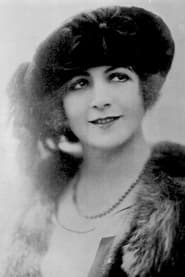
- Suzanne Bianchetti, who appears in the picture, was known as 'the Sarah Bernhardt of French cinema' and was married to the picture's writer
- the picture featured some of the most sophisticated camera movements of its time, including complex tracking shots during the chase sequences
- The original negative was partially damaged during World War II, making complete preservation difficult
- the picture was one of the last major French silent productions before the transition to sound cinema
- The Saint Petersburg court scenes featured over 500 extras, all in elaborate period costumes
- the picture's premiere was attended by French cultural elite and was considered a major social event in Paris
Awards & recognition
- No documented awards - award ceremonies for film were limited in 1927
Visual style
The cinematography of 'Loves of Casanova' was groundbreaking for its time, featuring innovative camera movements and sophisticated lighting techniques. Nicolas Toporkoff and Joseph-Louis Mundwiller employed complex tracking shots during the chase sequences through Venice, creating a sense of movement and excitement rarely seen in silent cinema. the picture's visual style combined German Expressionist influences with French naturalism, creating a unique aesthetic that enhanced the dramatic impact of key scenes. The cinematographers made extensive use of natural light for exterior shots, while interior scenes featured dramatic chiaroscuro lighting that emphasized the picture's themes of moral ambiguity and political intrigue. The camera work during the ballroom scenes was particularly notable, with sweeping movements that captured the opulence and decadence of 18th-century aristocratic life. the picture also featured innovative special effects for its time, including matte paintings and multiple exposures to create the illusion of grand architectural spaces. The cinematography played a crucial role in establishing the picture's epic scope and emotional intensity.
Innovations
the picture featured several technical innovations that were advanced for its time, particularly in the areas of set design and cinematography. The production utilized newly developed lighting equipment that allowed for more sophisticated illumination of large interior sets. the picture's elaborate Venice sequences involved the construction of massive water tanks at the Joinville studio, enabling realistic canal scenes that were unprecedented in French cinema. The cinematography employed innovative camera movements, including complex tracking shots and dramatic crane movements that enhanced the picture's epic scope. The special effects team developed new matte painting techniques for creating the illusion of grand architectural spaces, particularly in the Saint Petersburg palace scenes. the picture also featured early examples of multiple exposure photography for dream sequences and supernatural elements. The costume department developed new methods for creating authentic 18th-century fabrics that looked convincing on camera while being practical for the actors. These technical achievements contributed significantly to the picture's visual impact and helped establish new standards for European costume dramas.
Music
The original score for 'Loves of Casanova' was composed by Henri Verdun, one of France's leading film composers of the silent era. Verdun created a sweeping romantic score that incorporated elements of both 18th-century classical music and contemporary 1920s orchestral styles. The music featured leitmotifs for different characters, with Casanova's theme being particularly memorable and sophisticated. The score utilized a full orchestra and was considered among the leading elaborate ever composed for a French silent film. During the picture's original theatrical run, major cinemas employed live orchestras to perform Verdun's score, enhancing the viewing experience. The music was synchronized with the on-screen action using the cue sheets provided by the composer, a common practice in the late silent era. For the restored versions of the picture, modern composers have created new scores inspired by Verdun's original work, while some screenings have used Verdun's reconstructed score. The soundtrack was crucial in establishing the picture's emotional tone and helped compensate for the lack of dialogue.
Famous quotes
In Venice, every man is a poet, but only Casanova is the poem itself
Love is the only conspiracy worth plotting
In a world of masks, the greatest danger is to show your true face
I have loved women as I have loved liberty - with passion and without regret
The art of seduction is merely the art of making someone feel truly alive
Memorable scenes
- The opening masquerade ball in Venice where Casanova's identity is revealed through a series of clever deductions
- The dramatic canal chase sequence where Casanova escapes his pursuers by leaping between gondolas
- The grand entrance into Saint Petersburg where Casanova first encounters the Russian court
- The intimate scene where Casanova teaches Catherine the Great the art of political seduction
- The final confrontation in the palace where Casanova must choose between love and political survival
What audiences thought
the picture was a commercial success in France upon its release in 1927, attracting large audiences to Parisian cinemas for extended runs. Contemporary audiences were particularly drawn to Ivan Mosjoukine's star power and his portrayal of the lover. the picture's exotic locations and historical setting appealed to audiences seeking escapism during the relatively stable period of the late 1920s. The elaborate costumes and sets were major attractions, with many viewers attending multiple times to appreciate the visual details. the picture's romantic elements resonated strongly with female audiences, while the adventure and political intrigue attracted male viewers. However, the picture's release came just before the transition to sound cinema, which limited its long-term commercial impact. Despite this, it remained popular in art house cinemas throughout the 1930s and was frequently revived in silent film festivals. Modern audiences who have seen the restored version generally appreciate its artistic qualities, though some find its pacing slow by contemporary standards.
Film connections
Influenced by
- Casanova's memoirs
- German Expressionist cinema
- French literary tradition
- Russian historical narratives
- Contemporary European costume dramas
- The works of F.W. Murnau
- The historical epics of Abel Gance
This film influenced
- Later Casanova adaptations
- European historical epics of the 1930s
- French costume dramas
- Russian-themed films by émigré directors
- Historical romance films
Film restoration
the picture is partially preserved with some sequences missing or damaged. The original negative suffered damage during World War II, but a significant portion of the picture has been restored from various sources. The Cinémathèque Française holds an incomplete version that has been digitally restored. Some scenes exist only in poor-quality prints, while others have been reconstructed from still photographs and production notes. The restoration efforts have been ongoing since the 1990s, with new fragments occasionally being discovered in European film archives. the picture is considered partially lost, though the main narrative arc remains intact.
Where to watch
- Available on DVD from French cinema specialty distributors
- Screenings at silent film festivals and classic cinema events
- Available through some European streaming services specializing in classic films
- Viewable at film archives including the Cinémathèque Française and the British Film Institute
- Occasionally broadcast on classic film television channels