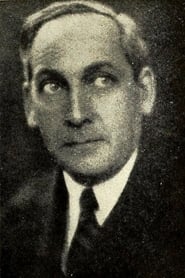
Alexandre Volkoff
Director
Born: December 14, 1885 in Moscow, Russian Empire Died: March 8, 1942 Active: 1923-1937 Birth Name: Alexandr Vladimirovich Volkov
Films
2 films
About Alexandre Volkoff
Russian-born film director who became a significant figure in European cinema during the silent era and early sound period. Born in Moscow in 1885, he initially worked as a theater actor and director before transitioning to cinema following the Russian Revolution. As part of the wave of Russian émigrés who fled to Europe, Volkoff established himself in Paris and became one of the leading directors in the French film industry during the 1920s. He was known for his visually sophisticated productions, elaborate set designs, and adaptations of literary classics, often collaborating with fellow Russian émigré actors like Ivan Mozzhukhin. Volkoff's the crucial transition from silent to sound films, though he found greatest success during the silent era with films like 'Kean' (1924) and 'Loves of Casanova' (1927). He continued working into the 1930s, directing films in both French and German, though his output decreased as the political situation in Europe deteriorated. His final years were marked by the challenges of World War II, and he died in Paris in 1942, leaving behind a legacy of visually striking cinema that bridged Russian and European film traditions.
The Craft
Behind the Camera
Volkoff was known for his visually sophisticated directing style, characterized by elaborate set designs, careful composition, and a theatrical approach inherited from his stage background. His films often featured grand, sweeping scenes reminiscent of Russian theatrical traditions, with meticulous attention to period detail and costume design. He excelled at adapting literary works, bringing a literary sensibility to his cinematic storytelling while maintaining the visual spectacle expected of 1920s European cinema.
Milestones
- Directed 'Kean' starring Ivan Mozzhukhin (1924)
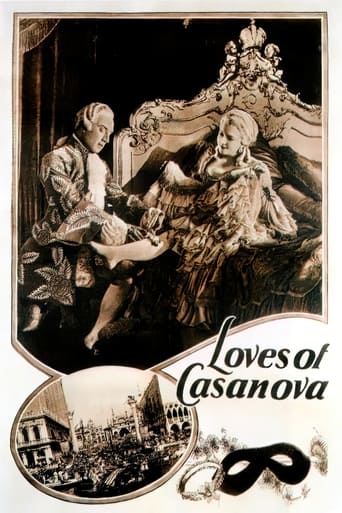
- Created 'Loves of Casanova' (1927)
- Directed 'The White Devil' (1930)
- Pioneered Russian émigré cinema in Paris
- Successfully transitioned from silent to sound films
- Collaborated with major European film stars
Best Known For
Must-See Films
Accolades
Special Recognition
- Recognized as a Russian émigré director in European cinema
- Remembered for contributions to French silent cinema
Working Relationships
Worked Often With
Studios
Why They Matter
Impact on Culture
Alexandre Volkoff played a crucial role in bridging Russian and European cinema during the 1920s and 1930s. As part of the Russian émigré community in Paris, he helped establish a distinctive style that combined Russian theatrical traditions with European cinematic techniques. His films contributed to the golden age of French silent cinema, bringing sophisticated literary adaptations and visual grandeur to the screen. Volkoff's work demonstrated how émigré filmmakers could enrich their adopted countries' film industries while maintaining their cultural heritage. His success in both French and German cinema exemplified the transnational nature of European film production during this period, and his ability to work across language barriers helped pave the way for more international film collaborations.
Lasting Legacy
Volkoff's legacy lies in his contributions to both Russian émigré cinema and European film history. He is remembered as one of the key directors who helped establish Paris as a center for Russian artistic expression in exile. His visually striking adaptations of literary classics demonstrated the artistic possibilities of silent cinema at its height. While his name is not as widely known today as some of his contemporaries, film historians recognize his importance in preserving Russian cultural traditions in European cinema and his role in the international development of film as an art form. His films remain important examples of 1920s European cinema and the artistic achievements of Russian émigrés.
Who They Inspired
Volkoff influenced subsequent generations of filmmakers through his sophisticated visual style and his success in adapting literary works to the screen. His work demonstrated how theatrical techniques could be effectively translated to cinema, influencing directors who sought to bring literary and theatrical sophistication to their films. The Russian émigré film community he helped establish in Paris created a model for how displaced artists could maintain their cultural identity while contributing to their adopted countries' artistic life. His ability to work across different European film industries also showed the possibilities for international collaboration in cinema, prefiguring the more global nature of later film production.
Off Screen
Alexandre Volkoff was married to actress Nathalie Kovanko, who frequently appeared in his films and was one of his leading ladies. The couple was part of the vibrant Russian émigré community in Paris, which included many artists, writers, and filmmakers who had fled Russia after the revolution. Volkoff maintained strong connections to his Russian cultural heritage while adapting to European film industries. His personal life was closely intertwined with his professional career, as he often cast his wife and fellow Russian émigrés in his productions, creating a close-knit artistic community. Despite his success in Europe, he remained connected to his Russian roots and continued to work with Russian themes and stories throughout his career.
Education
Educated in Moscow, initially trained in theater and acting before transitioning to film directing
Family
- Nathalie Kovanko (1920s-1942)
Did You Know?
- Born Alexandr Vladimirovich Volkov, he changed his name to Alexandre Volkoff for his European career
- Was part of the Albatros Film company, which was founded by Russian émigrés in Paris
- His wife Nathalie Kovanko was also a Russian émigré actress who starred in many of his films
- Worked with legendary Russian actor Ivan Mozzhukhin on multiple films
- Successfully made the transition from silent to sound films, a challenge many directors of his era couldn't overcome
- His films often featured elaborate historical costumes and sets, reflecting his theatrical background
- Directed films in both French and German, demonstrating his international appeal
- Was active during
- His 1924 film 'Kean' was based on a play about the famous 19th-century actor Edmund Kean
- Continued working in the film industry until his death in occupied Paris in 1942
In Their Own Words
Cinema is the theater of the future, but it must never forget the lessons of the past
In every frame, there should be poetry - that is the essence of true filmmaking
Frequently Asked Questions
Who was Alexandre Volkoff?
He was part of the Russian émigré community in Paris and directed visually sophisticated films, often adapting literary classics for the screen.
What films is Alexandre Volkoff best known for?
Titles linked here include Loves of Casanova (1927), The White Devil (1930).
When was Alexandre Volkoff born and when did he die?
Born December 14, 1885; died March 8, 1942.
What awards did Alexandre Volkoff win?
While specific awards from his era are not well-documented, Volkoff is recognized by film historians as a figure in Russian émigré cinema and for his contributions to French and German silent film production.
What was Alexandre Volkoff's directing style?
Volkoff's directing style was characterized by visual sophistication, elaborate set designs, and theatrical influences from his Russian stage background. He excelled at literary adaptations and was known for his meticulous attention to period detail and grand, sweeping visual compositions.