

The White Devil
"Rescuing the beautiful Saira from the Czar's clutches."
Keys: Space play/pause · ←/→ 10s · F fullscreen · M mute · </> speed
About this film
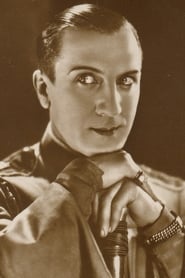
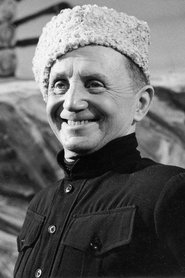
Ivan Mozzhukhin is a "...hot-headed Caucasian mountaineer leader whose irrational behavior comes to the attention of the Czar. Hoping to use Hajji Murad as a go-between in his plans to conquer the Caucasus mountaineers, the Russian ruler finds that the hero is not so easily manipulated. Rescuing the beautiful Saira from the Czar's clutches, Hajji Murad leads the mountain people's revolt against the despotic regent." Needless to say, the film ends in tragedy.
Cast & crew
More Drama films
View all →






More from Alexandre Volkoff
View all →
More about this film
About the production
Release dateMarch 7, 1930 (France)
Box officeLimited commercial success, primarily released in France and Germany
ProductionSociété des Films Albatros, Cine-Alliance
Filmed inParis studios, Location filming in the French Alps for mountain sequences
This was one of the early sound films made during the transition from silent cinema, presenting challenges for actors like Mosjoukine who had built their careers in silent films. The production was a French-German co-production, reflecting the international nature of European cinema in the early 1930s. The mountain sequences were particularly ambitious for the time, requiring extensive location work and innovative cinematography to capture the dramatic landscape. The film's production was complicated by the early technical limitations of sound recording, which restricted camera movement compared to the silent era.
Themes
Themes & topics
ivanmozzhukhinheadedcaucasianmountaineerleaderwhoseirrational
Historical background
Production circa 1930 meant fixed cameras, intertitles or early sound rigs, and studio economies that shaped every scene in The White Devil.
Why this film matters
Restorations and festival bookings keep The White Devil visible among classic-film communities.
Making of
Production details for The White Devil are sparse in surviving records. Direction is attributed to Alexandre Volkoff.
What critics said
Modern retrospectives screen The White Devil to illustrate 1930 pacing and camera norms.
Did you know?
- Directed by Alexandre Volkoff.
- Production country: Germany.
- Release year commonly listed as 1930.
- TMDB identifier: 162953.
Visual style
The cinematography of The White Devil represents a sophisticated blend of studio and location work typical of the early sound era. The mountain sequences, filmed in the French Alps, demonstrate remarkable technical achievement for the period, utilizing wide shots to establish the epic scale of the Caucasus setting. The camera work shows the influence of German Expressionist cinema in its use of dramatic lighting and composition, particularly in interior scenes. The transition to sound imposed technical limitations on camera movement, but the cinematographers compensated with carefully composed static shots and strategic use of tracking shots where recording equipment permitted. The battle sequences employ multiple camera angles and rapid editing to create dynamic action within the constraints of early sound technology. The visual style effectively contrasts the opulence of the Russian court with the rugged simplicity of mountain life, using lighting and composition to reinforce the film's thematic oppositions.
Innovations
The White Devil demonstrates several important technical achievements for its time, particularly in its successful integration of location filming with early sound recording. The production team developed innovative solutions for recording dialogue in mountain environments, a significant challenge given the bulky and sensitive nature of early sound equipment. The film's battle sequences showcase sophisticated editing techniques that maintain dramatic momentum while accommodating the technical limitations of synchronized sound. The cinematography achieves remarkable visual scope within the constraints of early sound cameras, which were larger and less mobile than silent era equipment. The film represents an early successful example of international co-production in the sound era, overcoming language and technical barriers to create a unified artistic vision. The production's ability to create convincing period detail and epic scope on a relatively modest budget demonstrates resourcefulness and technical ingenuity.
Music
The film's musical score reflects the transitional nature of early sound cinema, combining synchronized music with selective sound effects. The score incorporates elements of traditional Caucasian folk music to establish cultural authenticity, blended with classical European orchestral passages for dramatic scenes. Early sound recording technology limited the complexity of the audio mix, but the composers made effective use of leitmotifs to identify characters and themes. The musical direction emphasizes the film's epic scope while supporting the emotional journey of the protagonist. The soundtrack represents an early example of culturally specific scoring in cinema, attempting to musically represent the clash between Russian and Caucasian cultures. The limited dialogue typical of early sound films means the music carries significant narrative weight, particularly in action sequences and emotional moments.
Famous quotes
A man without honor is no man at all, whether he be king or commoner.
The mountains do not bow to empires, and neither shall we who call them home.
Freedom is not given by rulers, it is taken by those brave enough to demand it.
In the struggle between the powerful and the proud, it is often the earth that claims both.
Love for one's people is the most dangerous weapon against those who would conquer them.
Memorable scenes
- The dramatic mountain rescue sequence where Hajji Murad saves Saira from the Czar's soldiers, utilizing the rugged landscape to outmaneuver his pursuers
- The tense confrontation between Hajji Murad and the Czar's representative, where political manipulation meets unwavering honor
- The climactic battle scene where the mountain people make their final stand against overwhelming Russian forces
- The emotional farewell between Hajji Murad and his family, knowing the likely outcome of his resistance
- The final tragic sequence where the hero faces his fate with dignity, embodying the film's themes of honor and sacrifice
What audiences thought
Patrons who saw The White Devil during initial runs judged it alongside other drama film releases of the day.
Film connections
Influenced by
- Leo Tolstoy's 'Hadji Murat'
- German Expressionist cinema
- Russian literary tradition
- Epic historical dramas
- Silent era performance styles
- European literary adaptations
This film influenced
- Later adaptations of Tolstoy works
- Films about colonial resistance
- Historical epics featuring cultural conflict
- Russian-themed European productions
Film restoration
The film exists in archives but is not widely available; some sources suggest incomplete preservation with potential missing scenes. The French version appears to be the most complete, while other language versions may be lost or fragmented. The film has been screened at various classic film retrospectives and festivals, suggesting at least one viewable print exists. Restoration efforts have been limited due to the film's relative obscurity and the technical challenges of early sound film preservation. Some archives may hold copies but access is restricted to researchers and special screenings. The film represents one of many transitional sound works that risk being lost due to preservation challenges and limited commercial interest.
Where to watch
- Rare archival screenings at film museums and classic film festivals
- Potential availability through specialized film archives and cinematheques
- Limited circulation in academic film studies collections
- Occasional broadcasts on classic film specialty channels
- Not currently available on mainstream streaming platforms or home video