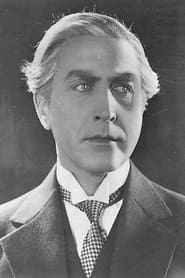
Fritz Alberti
Actor
Born: October 22, 1877 in Hanover, Germany Died: August 21, 1954 Active: 1927-1930 Birth Name: Friedrich Alberti
Films
2 films
About Fritz Alberti
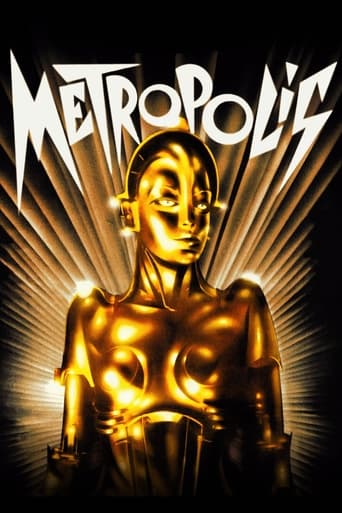
German character actor who emerged during the golden age of German silent cinema, making his most significant contribution to film history with his role in Fritz Lang's masterpiece 'Metropolis' (1927). Born in the late 19th century, Alberti developed his craft during the Weimar Republic period, a time of extraordinary artistic innovation in German cinema. His performance in 'Metropolis' as Joh Fredersen's assistant, while not a leading role, placed him in films ever made. Alberti continued his career into the early sound era, appearing in 'The White Devil' (1930), an adaptation of John Webster's play, demonstrating his versatility across different genres and media. His film career, though relatively brief and concentrated in the late 1920s to early 1930s, coincided with some of the most creative years in German film history. Alberti represented the type of reliable character actor who formed the backbone of German cinema during its most celebrated period, bringing depth and authenticity to supporting roles that enriched the overall narrative. His work during this transitional period from silent to sound film showcased the adaptability required of actors during this technological revolution in cinema.
The Craft
On Screen
Alberti employed the expressive, gestural style typical of German silent film actors, using precise body language and facial expressions to convey emotion and character. His technique reflected the German Expressionist influence prevalent in cinema of the era, emphasizing psychological depth through physical performance. As a character actor, he brought authenticity and gravitas to supporting roles, often portraying figures of authority or professional competence. His transition to sound films demonstrated his ability to adapt his theatrical background to the new demands of spoken dialogue while maintaining the intensity of his silent film performances.
Milestones
- Appeared in Fritz Lang's 'Metropolis' (1927),
- Transitioned successfully from silent films to early talkies
- Worked during the golden age of Weimar Republic cinema
- Appeared in 'The White Devil' (1930), demonstrating range in classical adaptations
- Part of the ensemble cast that created one of cinema's most enduring science fiction epics
Best Known For
Iconic Roles
Must-See Films
Accolades
Special Recognition
- Part of the cast of 'Metropolis', which was added to UNESCO's Memory of the World Register in 2001
- Contributor to German cinema's golden age recognized in film retrospectives and festivals
Working Relationships
Worked Often With
Studios
Why They Matter
Impact on Culture
Fritz Alberti's contribution to cinema, while not widely recognized individually, is significant through his participation in 'Metropolis', a film that has influenced countless directors, designers, and filmmakers for nearly a century. His role in this seminal work places him within the foundation of science fiction cinema and German Expressionist film, movements that have had lasting impact on global cinema. As part of the ensemble that brought Lang's vision to life, Alberti helped create. The film's themes of industrialization, class struggle, and technology's impact on humanity remain relevant today, with Alberti's character serving as a representation of the bureaucratic machinery that drives the dystopian society depicted. His work exemplifies the collaborative nature of German cinema during its golden age, where character actors like Alberti provided essential support to the grand visions of directors like Lang.
Lasting Legacy
Fritz Alberti's legacy is primarily tied to his appearance in 'Metropolis', ensuring his place in film history as part of one of cinema's most enduring and influential works. While his individual contributions may not be widely remembered by general audiences, film scholars and enthusiasts recognize the importance of all cast members in creating the film's powerful vision. His career represents the journey of many character actors of the silent era who brought depth and authenticity to supporting roles, forming the foundation upon which star performances could shine. The continued preservation and restoration of 'Metropolis' ensures that Alberti's work, along with that of his fellow cast members, will continue to be studied and appreciated by future generations of film lovers. His participation in this landmark film makes him a small but significant part of the story of how cinema evolved from simple entertainment to a complex art form capable of profound social commentary.
Who They Inspired
As a supporting actor in one of cinema's most influential films, Fritz Alberti's influence is indirect but significant through his contribution to 'Metropolis'. The film's visual style, themes, and storytelling techniques have inspired generations of filmmakers from Alfred Hitchcock to Ridley Scott to George Lucas. While Alberti himself may not have directly mentored other actors, his work exemplifies the professional standards and artistic commitment that characterized the best of German silent film acting. The techniques he employed, typical of German Expressionist cinema, influenced acting styles in international film production, particularly in the way silent film actors used physical expression to convey complex emotions and character traits. His transition to sound films also represents the adaptability required of actors during this technological revolution, setting an example for performers facing similar changes in the industry.
Off Screen
Fritz Alberti lived through. His active years covered the final years of German silent cinema and the beginning of the sound era, coinciding with the artistic flowering of the Weimar period. As an actor working during this time, he would have experienced both the creative freedom and the political tensions that characterized German society in the 1920s and early 1930s. His death in 1954 came less than a decade after the end of World War II, during the rebuilding of German cultural life.
Did You Know?
- Appeared in 'Metropolis' during the same year as another German film landmark, 'Sunrise' (1927)
- Worked during the peak of German Expressionist cinema, though 'Metropolis' was more Art Deco in style
- His character in 'Metropolis' represents the faceless bureaucracy that runs the futuristic city
- Participated in
- His film career coincided with the final years of the Weimar Republic's cultural flowering
- The restored version of 'Metropolis' discovered in 2008 in Argentina includes scenes that may feature his performance
- Worked with director Fritz Lang during one of Lang's most creative periods
- His role in 'Metropolis' placed him in what many consider the first true science fiction epic
- Appeared in films during the transition from silent to sound cinema, a challenging period for many actors
- Contributed to German cinema during what many film historians consider its golden age
In Their Own Words
No documented famous quotes are available from Fritz Alberti, as was common for supporting actors of the silent era who primarily let their performances speak for themselves through visual expression rather than recorded statements
Frequently Asked Questions
Who was Fritz Alberti?
German character with credits in this catalog. He was part of the ensemble cast that created one of cinema's most influential science fiction films during the golden age of German cinema.
What films is Fritz Alberti best known for?
Titles linked here include Metropolis (1927), The White Devil (1930).
When was Fritz Alberti born and when did he die?
Born October 22, 1877; died August 21, 1954.
What awards did Fritz Alberti win?
While Fritz Alberti did not receive individual acting awards during his career, his contribution to 'Metropolis' has been recognized through the film's numerous accolades and preservation efforts. 'Metropolis' was added to UNESCO's Memory of the World Register in 2001, and the film continues to be celebrated in film retrospectives and festivals worldwide.
What was Fritz Alberti's acting style?
Fritz Alberti employed the expressive, gestural style typical of German silent film actors, using precise body language and facial expressions to convey emotion and character. His technique reflected German Expressionist influences, emphasizing psychological depth through physical performance while bringing authenticity and gravitas to his supporting roles.