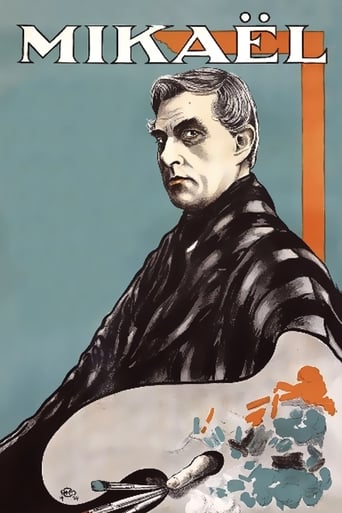
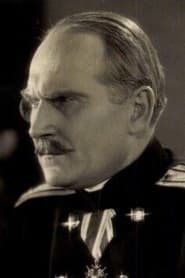
Films
2 films
About Alexander Murski
Russian-born actor who established a significant career in German cinema during the silent era and early sound period. Born in Russia in 1884, he began his artistic career in Russian theater before emigrating to Germany following the Russian Revolution. Murski quickly adapted to the German film industry, appearing in numerous productions throughout the 1920s. His most notable film role came in Carl Theodor Dreyer's masterpiece 'Michael' (1924), where he portrayed the wealthy patron Claude Zoret, demonstrating his ability to convey complex emotions through the subtle techniques required in silent film acting. He continued working through the transition to sound, appearing in 'The White Devil' (1930) among other early talkies. As the Nazi regime rose to power in Germany, Murski, being of foreign origin, found his opportunities increasingly limited. His film career effectively concluded by the early 1930s, though he may have continued working in theater. He spent his final years in Germany, passing away in 1943 during the height of World War II.
The Craft
On Screen
Murski was known for his refined, theatrical acting style that translated well from stage to screen. In silent films, he employed subtle facial expressions and controlled gestures to convey complex emotions, particularly effective in his role as the patron in 'Michael'. His performances were characterized by a dignified presence and the ability to portray aristocratic or wealthy characters with authenticity. As sound films emerged, he successfully adapted his stage-trained voice to the new medium, maintaining his reputation for portraying sophisticated, often conflicted characters.
Milestones
- Breakthrough role in Carl Theodor Dreyer's 'Michael' (1924)
- Successful transition from silent to sound films
- Notable performance in 'The White Devil' (1930)
- Prolific character actor in German cinema of the 1920s
Best Known For
Iconic Roles
Must-See Films
Working Relationships
Worked Often With
Studios
Why They Matter
Impact on Culture
Alexander Murski contributed to the golden age of German cinema during the Weimar Republic, a period that produced some of the most influential films in cinema history. His role in 'Michael' placed him within Carl Theodor Dreyer's artistic vision, helping to create. As a Russian émigré actor, he represented the international character of German film production during the 1920s, when Berlin was a cosmopolitan center of European cinema. His work exemplified the sophisticated artistic achievements of German silent film, which influenced filmmakers worldwide. Though his career was cut short by political circumstances, his performances remain part of the important legacy of early European cinema.
Lasting Legacy
Alexander Murski's legacy is primarily preserved through his performance in 'Michael,' which continues to be studied and appreciated by film scholars and enthusiasts as a masterpiece of silent cinema. His work represents the contributions of the many character actors who were essential to the artistic achievements of German cinema during its most creative period. As an actor who successfully navigated the transition from silent to sound films, he exemplifies the adaptability required of performers during this revolutionary period in film history. His career trajectory also reflects the tragic impact of political upheaval on the arts, particularly how the rise of totalitarian regimes disrupted the international character of European cinema.
Who They Inspired
While not widely known to contemporary audiences, Murski's work in 'Michael' contributed to the film's reputation as a masterpiece, which has influenced generations of filmmakers interested in psychological drama and visual storytelling. His portrayal of complex emotional states without dialogue demonstrated the artistic possibilities of silent film acting, influencing approaches to performance in cinema. As part of Dreyer's ensemble, he helped create a film that has been cited as an influence by numerous directors for its sophisticated treatment of themes of love, jealousy, and artistic devotion.
Off Screen
Alexander Murski was born in Russia and received his early training in Russian theatrical tradition before emigrating to Germany following the political upheaval of the Russian Revolution. This background in Russian theater heavily influenced his acting style throughout his film career. He established himself in the German film industry during the vibrant Weimar Republic period, becoming a recognizable character actor. As a foreign national in Germany, he faced increasing challenges with the rise of the Nazi regime in the early 1930s, which likely contributed to the decline of his film career. He spent his final years in Germany during World War II, passing away in 1943.
Education
Trained in Russian theater tradition before transitioning to film
Did You Know?
- Born in Russia but made his career primarily in German cinema
- Worked with renowned director Carl Theodor Dreyer in 'Michael' (1924)
- Successfully transitioned from silent films to early sound films
- His career coincided with the golden age of German cinema during the Weimar Republic
- Like many foreign artists in Germany, his career was likely impacted by the rise of the Nazi regime
- His role in 'Michael' portrayed one of cinema's early explorations of complex same-sex relationships
- The film 'Michael' was considered lost for many years before being rediscovered and restored
- His theatrical background influenced his screen acting style
- He represented the international character of Berlin's film industry in the 1920s
- His death in 1943 occurred during World War II, a period that devastated European cultural life
Frequently Asked Questions
Who was Alexander Murski?
Russian-born with credits in this catalog. He is best known for his role in Carl Theodor Dreyer's acclaimed film 'Michael' (1924).
What films is Alexander Murski best known for?
Titles linked here include Michael (1924), The White Devil (1930).
When was Alexander Murski born and when did he die?
Born 1884; died 1943.
What was Alexander Murski's acting style?
Murski was known for his theatrical, refined acting style characterized by subtle expressions and dignified presence, which translated effectively from stage to screen. He excelled at portraying aristocratic characters with emotional complexity.
How did Alexander Murski's career end?
Murski's film career effectively ended by the early 1930s, likely due to the rise of the Nazi regime in Germany, which limited opportunities for foreign artists. His last known film appearance was in 1930.