
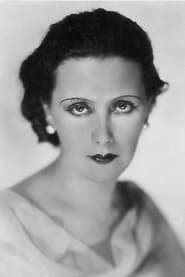
Lil Dagover
Actor
Born: September 30, 1887 in Batavia, Dutch East Indies (now Jakarta, Indonesia) Died: January 24, 1980 Active: 1913-1979 Birth Name: Marie Antonia Sieglinde Marta Seubert
Films
7 films

About Lil Dagover
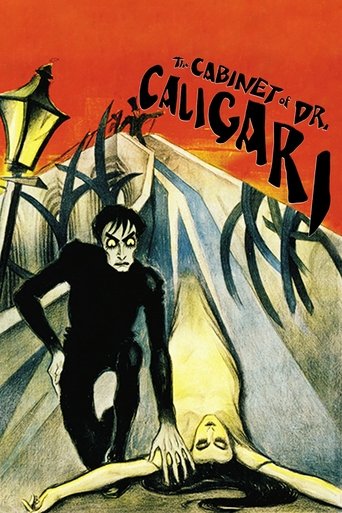
German actress who became faces of German Expressionist cinema during the silent era. Born Marie Antonia Sieglinde Marta Seubert in Dutch East Indies, she moved to Germany as a child and began her acting career after being discovered by director Fritz Lang. Her breakthrough came with her haunting performance in 'The Cabinet of Dr. Caligari' (1920), which established her as a leading lady in German cinema. Throughout the 1920s, she worked with directors including F.W. Murnau, Fritz Lang, and G.W. Pabst, becoming known for her ethereal beauty and intense performances. She successfully transitioned to sound films in the 1930s and continued acting through the Nazi era, though her career never regained the artistic heights of her silent film period. After World War II, she resumed her career in West Germany, appearing in films and television well into the 1970s, ultimately spanning over six decades in cinema.
The Craft
On Screen
Dagover was known for her highly expressive, stylized acting style characteristic of German Expressionism. She possessed an ethereal, almost otherworldly beauty that made her perfect for roles involving dreams, fantasies, and psychological drama. Her performances featured exaggerated gestures and intense facial expressions that conveyed deep emotional states without dialogue. In her silent film work, she mastered the art of communicating complex emotions through subtle movements and powerful gazes, often playing characters caught between reality and fantasy.
Milestones
- Breakthrough role in 'The Cabinet of Dr. Caligari' (1920)
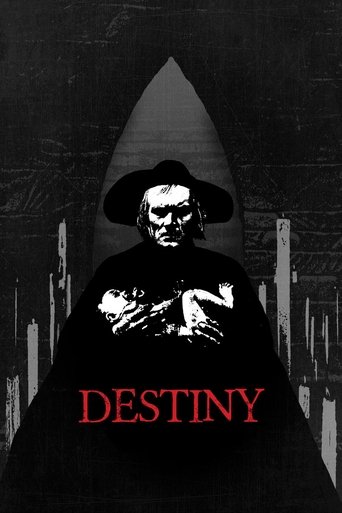
- Collaboration with F.W. Murnau on 'Destiny' (1921)
- Leading role in Fritz Lang's 'Harakiri' (1919)
- Successful transition to sound films in the 1930s
- Post-war career resurgence in German cinema and television
- Recipient of the German Film Award for lifetime achievement
Best Known For
Iconic Roles
Must-See Films
Accolades
Won
- German Film Award for Best Supporting Actress (1959) for 'Der Engel, der seine Harfe verkaufte'
- Bambi Award (1968)
- Filmband in Gold for lifetime achievement (1967)
Nominated
- German Film Award nomination for Best Actress (1956) for 'Vor Gott und den Menschen'
Special Recognition
- Order of Merit of the Federal Republic of Germany (1969)
- Star on the Boulevard der Stars in Berlin (2010, posthumous)
- Honorary citizen of Grünwald, Bavaria
Working Relationships
Worked Often With
Studios
Why They Matter
Impact on Culture
Lil Dagover's impact on cinema extends far beyond her filmography. As one of the defining faces of German Expressionism, she helped establish an aesthetic that would influence film noir, horror cinema, and psychological thrillers for decades. Her work in 'The Cabinet of Dr. Caligari' became a touchstone for understanding how visual style could enhance psychological storytelling. Dagover represented the ideal of the mysterious, ethereal woman in silent cinema, a archetype that would be revisited in various forms throughout film history. Her successful career through multiple German political regimes demonstrated remarkable adaptability and resilience.
Lasting Legacy
Lil Dagover's legacy is that of a cinematic pioneer who bridged the silent and sound eras while maintaining artistic integrity. She remains. Her ability to convey complex emotions without dialogue set a standard for silent film acting that influenced generations of performers. The preservation and restoration of her films have ensured that new audiences can discover her work, cementing her status as an icon of international cinema history.
Who They Inspired
Dagover's influence can be seen in the work of later actresses who specialized in mysterious, psychologically complex roles. Her expressive style influenced the development of film noir archetypes in Hollywood, particularly the femme fatale character. Directors such as Alfred Hitchcock and Ingmar Bergman cited German Expressionism, and by extension performers like Dagover, as influences on their visual storytelling techniques. Contemporary actresses playing gothic or psychologically intense characters often draw inspiration from the foundation laid by performers like Dagover in the silent era.
Off Screen
Lil Dagover's personal life was marked by three marriages and one daughter. Her first marriage was to actor Fritz Daghofer in 1917, which ended in divorce in 1919. She then married director Rudolf Sieber in 1926, but this marriage also ended in divorce. Her longest marriage was to Dr. Georg Witt, a film producer, whom she married in 1937 and remained with until his death in 1973. Despite her high-profile career, Dagover maintained a relatively private personal life and was known for her professionalism and dedication to her craft.
Education
Attended acting school in Berlin after being discovered, studied under Max Reinhardt at the Deutsches Theater
Family
- Fritz Daghofer (1917-1919)
- Rudolf Sieber (1926-1934)
- Dr. Georg Witt (1937-1973)
Did You Know?
- Her stage name 'Lil Dagover' was created by combining a nickname 'Lil' with a variation of her first husband's surname 'Daghofer'
- She was discovered while working as a nurse during World War I
- Despite being one of Germany's biggest stars in the 1920s, she was never offered a Hollywood contract
- She continued acting well into her 80s, making her final TV appearance in 1979 at age 92
- Her performance in 'The Cabinet of Dr. Caligari' was so notable that it inspired countless Halloween costumes and fashion shoots
- She was fluent in four languages: German, Dutch, English, and French
- During the Nazi era, she was classified as 'politically unreliable' but continued to work due to her star status
- She was one of the few silent film stars to successfully transition to television in the 1960s and 1970s
- Her daughter Eva Witt also became an actress, appearing in several German films in the 1950s
- She was a close friend of Marlene Dietrich, though their careers took very different paths
In Their Own Words
In silent films, we had to speak with our eyes and our souls. Words were not necessary when the heart could tell the story.
The camera was my truest friend. It understood what I wanted to say even when I couldn't find the words.
Being an actress in those days was like being a painter - every gesture, every expression had to be precisely placed to create the perfect picture.
Caligari changed everything for me. Suddenly, I wasn't just an actress; I was part of something revolutionary in art.
The transition to sound was difficult, but I learned that sometimes silence is more powerful than any spoken word.
Frequently Asked Questions
Who was Lil Dagover?
German actress who became. She is best known for her haunting performance in 'The Cabinet of Dr. Caligari' (1920) and her collaborations with directors like F.W. Murnau and Fritz Lang.
What films is Lil Dagover best known for?
Titles linked here include The Cabinet of Dr. Caligari (1920), Destiny (1921).
When was Lil Dagover born and when did she die?
Born September 30, 1887; died January 24, 1980.
What awards did Lil Dagover win?
Dagover won the German Film Award for Best Supporting Actress in 1959, the Bambi Award in 1968, and received the Filmband in Gold for lifetime achievement in 1967. She was also awarded the Order of Merit of the Federal Republic of Germany in 1969.
What was Lil Dagover's acting style?
Dagover was known for her highly expressive, stylized acting style characteristic of German Expressionism. She used exaggerated gestures and intense facial expressions to convey deep emotions, often playing mysterious, ethereal characters caught between reality and fantasy.