
Harakiri
"East meets West in marriage"
Keys: Space play/pause · ←/→ 10s · F fullscreen · M mute · </> speed
About this film
Fritz Lang's Harakiri pairs a daimyo's daughter with a European officer whose western return brings a new wife. The daughter of a daimyo, one forced to commit harakiri to secure her a future to choose her own destiny, falls in love with and marries a European officer. The officer returns to Europe but promises to come back for her and his new child, but when he comes back to Japan, he brin.
Cast & crew
More films like this
More Drama films
View all →







More from Fritz Lang
View all →

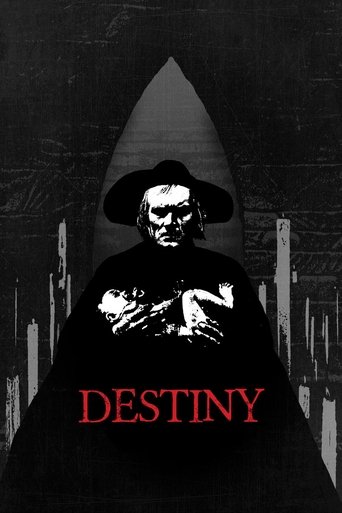
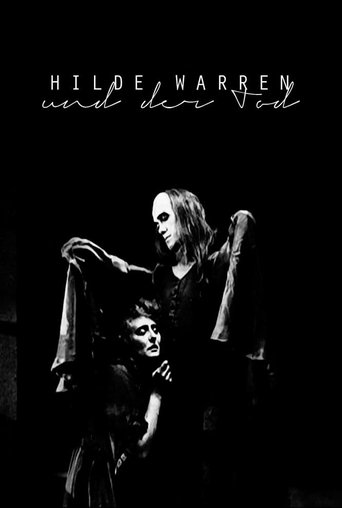
More about this film
About the production
Release dateDecember 1919
ProductionDecla-Bioscop AG
Filmed inBerlin, Germany (studio sets)
This was one of Fritz Lang's earliest directorial efforts, made during his formative period at Decla-Bioscop. The film was notable for its elaborate Japanese sets constructed in Berlin studios, which were considered quite authentic for the time. Lang's attention to detail in recreating Japanese culture and customs was remarkable for a 1919 European production. The harakiri sequence was particularly controversial for its graphic depiction, pushing the boundaries of what was acceptable in cinema at the time.
Themes
Cultural collision and misunderstandingHonor and sacrificeBetrayal and abandonmentThe destructive nature of rigid social codesLove across cultural boundaries
Themes & topics
harakiriseppukuforbidden lovecultural differencesbetrayalhonorsacrificeJapanEuropean officertragedyfeudal Japancross-cultural romance
Historical background
1919 placed Harakiri within Germany cinema as Decla-Bioscop AG navigated wartime markets, immigration audiences, and the shift from intertitles to sound.
Why this film matters
Archivists revisit Harakiri (1919) for Fritz Lang style, genre norms at Decla-Bioscop AG, and the exhibition context of 60 minutes (original runtime, though some versions may vary) programming.
Making of
The production of 'Harakiri' took place during a turbulent period in German history, immediately following World War I. Fritz Lang, who had served in the war and was injured, was just beginning his directorial career. The film was shot at Decla-Bioscop's studios in Berlin, where elaborate sets were constructed to recreate feudal Japan. Lang was known for his meticulous attention to detail and demanded authenticity in the costumes and props. The harakiri sequence required careful choreography and special effects to achieve its shocking realism. The cast, particularly Lil Dagover, underwent extensive preparation to understand Japanese customs and mannerisms. The film's cinematographer was Carl Hoffmann, who would later work with Lang on many of his most famous films including 'Metropolis'. The production faced challenges due to post-war shortages, but the studio invested heavily in the film's exotic setting to capitalize on European fascination with Asian culture.
What critics said
Retrospective writing on Harakiri stresses craft by Fritz Lang, print survival, and repertory value rather than opening-week gross alone.
Did you know?
- This was Fritz Lang's third film as a director, following 'Der Herr der Liebe' and 'Die Spinnen'.
- The film was also known by the alternate title 'The Mad Monk' in some international markets.
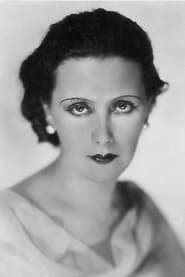
- Lil Dagover, who played O-Taki, would later become one of Germany's most famous silent film stars, notably starring in 'The Cabinet of Dr. Caligari'.
- The film was part of a wave of 'exotic' European productions in the late 1910s that explored non-Western cultures.
- Despite being set in Japan, no Japanese actors were used in the production, which was typical for European films of this period.
- The harakiri scene was so realistic that it caused controversy upon release, with some critics calling it too graphic for cinema.
- The film's themes of cultural clash and betrayal would become recurring motifs in Lang's later work.
- Original prints of the film were tinted in different colors to enhance the emotional impact of various scenes.
- The production design was influenced by Japanese woodblock prints that were popular in Europe at the time.
- This film is sometimes confused with Masaki Kobayashi's 1962 film of the same name, though they are completely unrelated.
Awards & recognition
- No awards were given for this film in 1919, as the major film awards had not yet been established
Visual style
The cinematography by Carl Hoffmann employed innovative techniques for its time, including dramatic use of shadows and carefully composed frames that hinted at the expressionistic style to come. The film made effective use of chiaroscuro lighting to create emotional intensity, particularly in the harakiri sequence. The Japanese sets were photographed to emphasize their exotic beauty while maintaining a sense of authenticity. Hoffmann utilized close-ups to capture the emotional turmoil of the characters, particularly Lil Dagover's expressive performance. The film also featured some tracking shots and camera movements that were relatively sophisticated for 1919, demonstrating Lang's early interest in dynamic visual storytelling.
Innovations
For 1919, 'Harakiri' featured several notable technical achievements. The film's production design included some of the most elaborate Japanese sets constructed in Germany up to that time. The special effects used in the harakiri sequence were particularly advanced for the period, creating a convincing illusion of self-harm without actual injury. The film also experimented with color tinting, with different scenes tinted in appropriate colors to enhance mood and atmosphere - blue for night scenes, amber for interiors, and red for the dramatic climax. The cinematography employed innovative camera movements and angles that were ahead of their time, helping establish the visual language that would define German expressionist cinema.
Music
As a silent film, 'Harakiri' would have been accompanied by live musical performance during its original theatrical run. The typical score would have been compiled from classical pieces and original compositions performed by a theater organist or small orchestra. The music would have been synchronized with the film's emotional beats, with dramatic themes for the harakiri sequence, romantic motifs for the love scenes, and Japanese-inspired melodies to establish the cultural setting. No original score recordings exist from 1919, but modern restorations have been accompanied by newly composed scores that attempt to capture the film's blend of Japanese and Western sensibilities.
Famous quotes
Honor is heavier than a mountain, but death is lighter than a feather
In choosing my own death, I found my own life
Your promises were written on water
The West takes what it wants, the East gives what it must
Memorable scenes
- The harakiri sequence where O-Taki undergoes the ritual suicide attempt, filmed with shocking realism for 1919
- The first meeting between O-Taki and the European officer on the Japanese coast
- The devastating confrontation scene when the officer returns with his European wife
- The final scene where O-Taki must choose her ultimate destiny
What audiences thought
The film found moderate success with German audiences in 1919, who were drawn to its exotic setting and dramatic storyline. The combination of romance, tragedy, and cultural exoticism appealed to post-war cinema-goers seeking escape and emotional engagement. Lil Dagover's performance was particularly well-received, helping establish her as a rising star in German cinema. The shocking nature of the harakiri scene generated word-of-mouth publicity, though it also made the film controversial in some circles. While it didn't achieve the blockbuster status of some other releases from the same period, it maintained enough popularity to justify international distribution, where it found audiences interested in stories about Japan.
Film connections
Influenced by
- Japanese woodblock prints
- German expressionism (emerging)
- Contemporary literature about Japan
- Theater traditions of melodrama
This film influenced
- Lang's later films dealing with similar themes of fate and justice
- Other German exotic films of the 1920s
- Cross-cultural romance films in European cinema
Film restoration
The film is considered partially lost, with only fragments and incomplete copies surviving in various film archives. Some sequences exist only in poor condition, though restoration efforts have been undertaken by film preservation institutions. The most complete version is held at the Bundesarchiv-Filmarchiv in Berlin, though it remains incomplete. The film's status reflects the unfortunate fate of many silent-era films, with an estimated 75-90% of silent films considered lost.
Where to watch
- Due to its preservation status, the film is rarely screened publicly. Film archives and cinematheques occasionally show restored fragments. Some portions may be available through specialized film archive websites or academic institutions. The film is not commercially available on streaming platforms or home video in its complete form.