Films
2 films

About Herta Héden
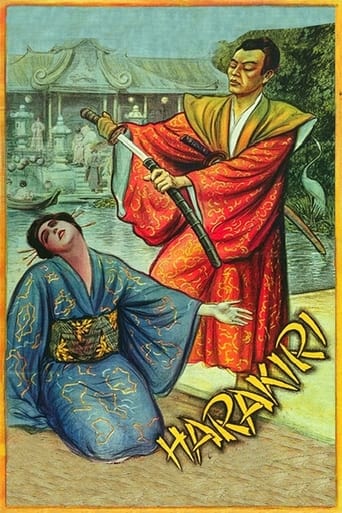
German actress who worked briefly during the silent film era in the late 1910s and early 1920s. Her career appears to have been concentrated in the German film industry during a transitional period when cinema was evolving from short subjects to feature-length narratives. She is known to have appeared in at least two significant productions: the 1919 film 'Harakiri,' which was directed by the Fritz Lang during his early career, and the 1920 adaptation 'Deerslayer,' based on James Fenimore Cooper's classic novel. Her filmography suggests she was likely a character actress or supporting player rather than a leading star, as was common for many actresses of her era. Unfortunately, like many performers from this period, detailed records of her life and career are scarce, and most of her films may be lost to time. Her brief what would become a golden age of German cinema, though she herself did not continue acting beyond the early 1920s.
The Craft
Milestones
- Appeared in Fritz Lang's early film 'Harakiri' (1919)
- Starred in 'Deerslayer' (1920) adaptation of Cooper's novel
- Worked during the golden age of German silent cinema
Best Known For
Must-See Films
Working Relationships
Worked Often With
Why They Matter
Impact on Culture
Herta Héden's cultural impact is primarily historical rather than influential, as she represents the many talented but lesser-known actors who contributed to early German cinema's development. Her appearance in Fritz Lang's 'Harakiri' places her within the context of one of cinema's most important director's early works, making her part of the foundation of what would become German Expressionist cinema. While she did not achieve lasting fame or recognition, her work exemplifies the collaborative nature of early film production, where numerous actors contributed to the artistic achievements now primarily attributed to directors and leading stars.
Lasting Legacy
Herta Héden's legacy is that of a typical working actor from the silent era - brief, undocumented, and representative of the thousands of performers who helped build cinema's foundation but whose names have faded from history. Her filmography serves as a reminder of how many talented individuals contributed to early cinema's development without achieving lasting recognition. The fact that she worked with emerging talents like Fritz Lang demonstrates how even minor roles in early films can become historically significant due to the later achievements of her collaborators.
Who They Inspired
Due to the brief nature of her career and the lack of documentation about her work, Herta Héden's influence on subsequent generations of actors or filmmakers cannot be traced. Like many supporting actors from the silent era, her influence would have been limited to the specific productions in which she appeared and the immediate impact of her performances on contemporary audiences and fellow performers.
Off Screen
Very little is documented about Herta Héden's personal life, which was common for many supporting actors of the silent era who did not achieve major stardom. Like many performers from this period, her life story remains largely undocumented in film historical records.
Did You Know?
- Appeared in one of Fritz Lang's earliest films before he became a legendary director
- Her active years covered only two known years during the height of German silent cinema
- Both of her known films were adaptations of literary works
- Like many silent era actors, most of her personal details remain undocumented
- Her filmography represents the typical career length for many supporting actors of her era
- Worked during the period when German cinema was developing its influential Expressionist style
Frequently Asked Questions
Who was Herta Héden?
German actress who worked briefly in silent films during 1919-1920, appearing in productions including Fritz Lang's 'Harakiri' and the adaptation 'Deerslayer.' She was a supporting actor during the early golden age of German cinema.
What films is Herta Héden best known for?
Titles linked here include Harakiri (1919), Deerslayer (1920).
When was Herta Héden born and when did she die?
Unfortunately, specific birth and death dates for Herta Héden are not documented in available historical records, which is common for many supporting actors from the silent era.
What awards did Herta Héden win?
There are no recorded awards or nominations for Herta Héden, which was typical for supporting actors during the early silent film period when formal award systems were not yet established.
What was Herta Héden's acting style?
Due to the scarcity of surviving films and documentation about her work, specific details about Herta Héden's acting style are not known, though she likely worked within the dramatic conventions of German silent cinema of her era.