
Films
3 films
About Rudolf Lettinger
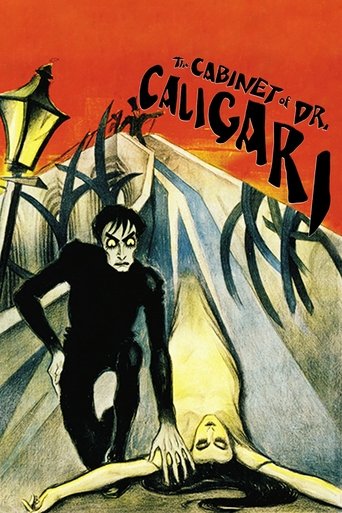
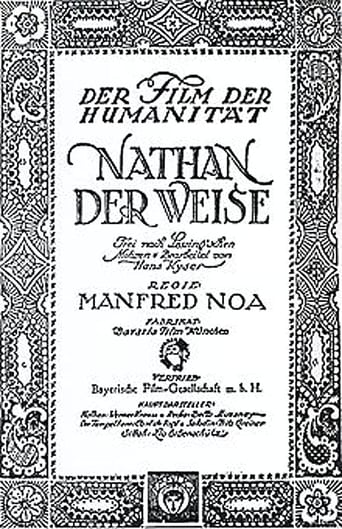
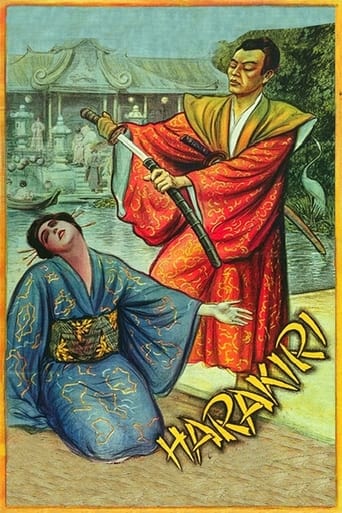
Helped define early Weimar cinema. He is documented in film history chiefly for his roles in important German productions of the post-World War I period, including Harakiri (1919), The Cabinet of Dr. Caligari (1920), and Nathan der Weise (1922). His screen career, at least in the surviving film record most commonly cited today, appears concentrated in the early 1920s, a period when German cinema was rapidly evolving in style, international reputation, and ambition. Lettinger is especially remembered by classic-film historians for appearing in The Cabinet of Dr. Caligari, films of the silent era and a landmark of German Expressionism. Like many actors of his generation, he worked in a film culture where detailed personal records were not always preserved, so much of his broader life outside these credited screen appearances remains obscure. Even so, his association with key titles of the era ensures him a place in film history as part of the ensemble of actors who brought early German art cinema to life. His surviving filmography suggests a performer suited to serious dramatic material and literary adaptations, both of which were central to German cinema in the years immediately after the First World War.
The Craft
On Screen
Specific contemporary descriptions of Rudolf Lettinger's acting style are not widely preserved, but his screen work places him in the tradition of silent-era German character acting, which relied on clear physical expression, disciplined gesture, and strong facial control to communicate nuance without spoken dialogue. In The Cabinet of Dr. Caligari and similarly serious productions, actors often balanced stylized presentation with emotional clarity, especially within expressionist and literary frameworks. Lettinger's performances likely reflected the restrained but legible approach common among trained stage actors transitioning to film in Germany during this period. His filmography suggests a performer comfortable within ensemble storytelling rather than flamboyant star-centered display.
Milestones
- Appeared in Harakiri (1919), one of the early postwar German films associated with the growth of serious dramatic cinema
- Appeared in The Cabinet of Dr. Caligari (1920), a landmark silent film and
- Appeared in Nathan der Weise (1922), reflecting the strong tradition of literary and philosophical adaptation in German cinema
- Worked during the formative years of Weimar-era filmmaking, when German studios were producing internationally influential silent films
- Built a screen reputation as a supporting character actor in important early 1920s productions
Best Known For
Iconic Roles
Must-See Films
Working Relationships
Worked Often With
Why They Matter
Impact on Culture
Rudolf Lettinger's cultural impact comes less from celebrity status than from his participation in a foundational period of German silent cinema. His appearance in The Cabinet of Dr. Caligari places him within a film that profoundly influenced world cinema, including horror, fantasy, film noir, and modernist production design. Even performers in smaller roles in that film became part of a work that has been continuously studied for its visual style, psychological atmosphere, and historical significance. Lettinger's contributions therefore belong to the collective achievement of early Weimar film artistry, where ensemble acting helped translate ambitious visual concepts into dramatic reality. Through his participation in literary and expressionist projects, he represents the class of dependable actors who gave early German cinema its seriousness and intellectual credibility. His legacy is inseparable from the enduring prestige of the films in which he appeared, particularly the international afterlife of Caligari.
Lasting Legacy
Rudolf Lettinger's lasting legacy rests on his association with a small but historically important group of early German films, especially The Cabinet of Dr. Caligari. In classic-cinema history, even actors with limited surviving credits can remain significant when they appear in films that become canonical, and Lettinger is one such figure. His work helps illuminate the ecosystem of silent-era production, where ensemble actors, stage-trained performers, and character specialists supported the rise of some of cinema's most influential masterpieces. Because his personal biography is sparsely documented, his legacy is primarily archival and film-historical rather than star-based, but that does not lessen his importance to researchers of Weimar cinema. He stands as part of the generation of performers who helped establish Germany as a leading center of artistic filmmaking in the early 1920s. For modern viewers, his name endures through the credits of a few key titles that continue to define discussions of silent-era innovation.
Who They Inspired
Lettinger's influence is indirect rather than traceable through a documented teaching or mentoring career. His main significance lies in contributing to films that influenced later generations of filmmakers, especially through the legacy of German Expressionism and stylized silent performance. By appearing in a film like The Cabinet of Dr. Caligari, he became part of a performance tradition that shaped how actors approached psychological intensity, visual abstraction, and heightened dramatic gesture in cinema. The broader acting culture of Weimar Germany influenced filmmakers and performers around the world, and Lettinger belongs to that historical continuum. While no direct line of protégés or named influence can be firmly documented, his work remains embedded in.
Off Screen
Little reliably documented information survives about Rudolf Lettinger's private life in the commonly accessible film reference record. His marriages, family background, children, and off-screen activities are not well established in standard classic-cinema sources available today. This is not unusual for many silent-era supporting actors, especially those whose careers were short or whose surviving documentation is fragmentary. As a result, any detailed reconstruction of his personal life would be speculative, and the safest historical conclusion is that the public record remains very limited.
Did You Know?
- Rudolf Lettinger is most widely remembered today because of his appearance in The Cabinet of Dr. Caligari,.
- His known film activity falls within a very narrow documented period, from 1919 to 1922.
- He worked during the height of the German silent cinema boom, when studios were producing internationally admired art films.
- Unlike major stars of the era, Lettinger appears to have been a character or supporting actor rather than a marquee name.
- His surviving film record connects him to literary adaptation as well as expressionist cinema.
- Because silent-era record keeping was often incomplete, many details of his life remain difficult to verify.
- His name appears in film history largely through credits and archival film databases rather than extensive biographies.
- Even in a limited filmography, appearing in a canonical film like The Cabinet of Dr. Caligari gives an actor enduring historical visibility.
Frequently Asked Questions
Who was Rudolf Lettinger?
German with credits in this catalog. His most historically notable credit is The Cabinet of Dr. Caligari (1920),.
What films is Rudolf Lettinger best known for?
Titles linked here include The Cabinet of Dr. Caligari (1920), Harakiri (1919).
When was Rudolf Lettinger born and when did he die?
His birth and death dates are not securely established in the readily available classic-cinema reference record. The surviving public documentation is limited, so these personal details remain unavailable with confidence.
What awards did Rudolf Lettinger win?
No awards or formal honors are currently documented for Rudolf Lettinger in the available historical record. Like many silent-era supporting players, his recognition comes primarily through the lasting importance of the films he appeared in.
What was Rudolf Lettinger's acting style?
Specific contemporary descriptions are scarce, but his work fits the silent-era German tradition of expressive yet disciplined character acting. Performers in this period relied on precise gesture, facial expression, and strong visual presence to communicate character without dialogue.
What is Rudolf Lettinger's legacy in film history?
His legacy lies in his participation in foundational early German cinema, especially The Cabinet of Dr. Caligari. Even with a limited surviving filmography, his name endures because he was part of a landmark period that shaped the history of horror, expressionism, and art cinema.