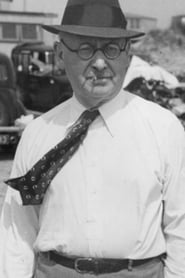
Robert Wiene
Director
Born: April 24, 1873 in Breslau, German Empire (now Wrocław, Poland) Died: July 17, 1938 Active: 1916-1938
Films
4 films

About Robert Wiene
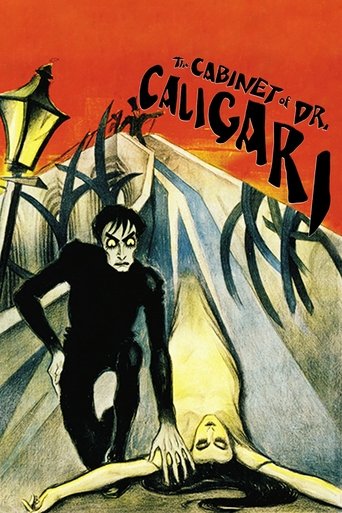
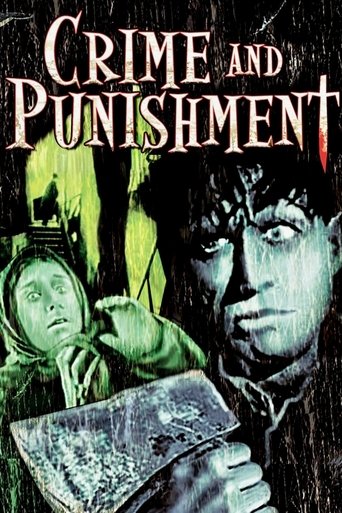
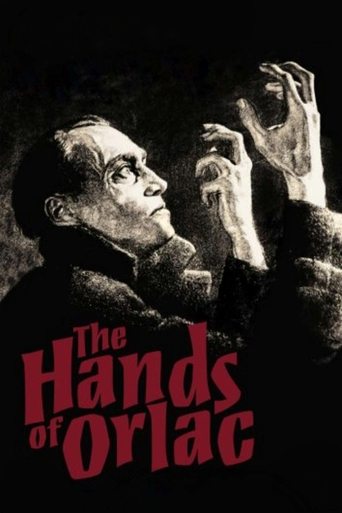
German film director who became figures of the German Expressionist movement in cinema. Born into a theatrical family, Wiene initially pursued law before turning to theater and film, making his directorial debut in 1916. His career reached its zenith with the 1920 masterpiece 'The Cabinet of Dr. Caligari,' which revolutionized cinematic visual language through its distorted sets, dramatic shadows, and psychological themes that mirrored the trauma of post-World War I Germany. Wiene continued exploring expressionist techniques in films like 'Genuine: The Tragedy of a Vampire' (1920), 'Crime and Punishment' (1923), and 'The Hands of Orlac' (1924), often working with prominent actors of the era including Conrad Veidt and Werner Krauss. With the rise of Nazism in Germany, Wiene, who was Jewish, fled the country in 1933, working briefly in France, Hungary, and Britain before settling in the United States. His final years were marked by declining health and difficulty finding work in Hollywood, and he died in Paris in 1938 while preparing to make another film. Despite his relatively short career, Wiene's influence on cinema, particularly horror and psychological thriller genres, has endured for decades.
The Craft
Behind the Camera
Robert Wiene's directing style was characterized by his innovative use of expressionist visual techniques to externalize psychological states. He employed distorted, angular sets painted with dramatic shadows and abstract designs that reflected the inner turmoil of his characters. Wiene frequently used unusual camera angles, chiaroscuro lighting, and stylized performances to create dreamlike, nightmarish atmospheres. His films often explored themes of madness, duality, and the blurred boundaries between reality and illusion, making him a master of psychological horror. Wiene's approach was highly theatrical, drawing on his background in stage production while embracing cinema's unique potential for visual storytelling.
Milestones
- Directed 'The Cabinet of Dr. Caligari' (1920), considered the quintessential German Expressionist film
- Pioneered visual techniques that influenced film noir and horror genres
- Fled Nazi Germany in 1933 due to his Jewish heritage
- Worked with major German actors including Conrad Veidt, Werner Krauss, and Lil Dagover
- Directed the first film adaptation of Dostoevsky's 'Crime and Punishment' (1923)
- Created some of the earliest psychological horror films
- Helped establish the visual vocabulary for depicting madness and unreliable narrators in cinema
Best Known For
Must-See Films
Accolades
Special Recognition
- Star on the Boulevard der Stars in Berlin
- Inducted into the Hall of Fame of German Film
- The Cabinet of Dr. Caligari preserved in the National Film Registry (1997)
Working Relationships
Worked Often With
Studios
Why They Matter
Impact on Culture
Robert Wiene's cultural impact on cinema cannot be overstated, as 'The Cabinet of Dr. Caligari' essentially created the visual language for psychological horror and influenced countless subsequent films. The expressionist techniques he pioneered—distorted sets, dramatic shadows, and visual representations of mental states—became foundational elements in film noir, horror cinema, and psychological thrillers. Wiene's films reflected the collective trauma and anxiety of post-World War I Germany, using visual distortion to mirror societal instability and the breakdown of traditional values. His work demonstrated how cinema could externalize internal psychological states, paving the way for more sophisticated explorations of character psychology in film. The influence of his visual style can be traced through the works of directors like Alfred Hitchcock, Fritz Lang, and Orson Welles, and continues to inspire contemporary filmmakers working in horror and psychological thriller genres.
Lasting Legacy
Robert Wiene's legacy endures primarily through his masterpiece 'The Cabinet of Dr. Caligari,' which remains. His expressionist techniques have become part of the visual vocabulary of cinema, particularly in genres dealing with psychological themes and horror. Film scholars credit Wiene with helping establish cinema as a serious art form capable of complex psychological expression rather than mere entertainment. His forced exile under the Nazi regime represents the tragic loss of artistic talent that occurred during this period, and his story serves as a reminder of the cultural devastation wrought by fascism. Modern filmmakers continue to pay homage to Wiene's work, with direct references to 'Caligari' appearing in films ranging from 'The Cabinet of Dr. Ramirez' to 'Batman' and 'Edward Scissorhands.' His films are regularly restored and screened at film festivals and cinematheques, ensuring that new generations can experience his groundbreaking contributions to cinematic art.
Who They Inspired
Robert Wiene influenced countless filmmakers across multiple generations and genres. His expressionist visual techniques directly inspired the film noir movement of the 1940s and 1950s, particularly in the use of dramatic shadows and psychological tension. Horror directors from Universal's classic monster films to contemporary masters like Tim Burton and Guillermo del Toro have drawn on Wiene's visual innovations. Alfred Hitchcock cited 'Caligari' as an influence on his approach to psychological thrillers, particularly in films like 'Psycho.' German New Cinema directors of the 1970s, including Rainer Werner Fassbinder and Werner Herzog, paid homage to Wiene's expressionist heritage. Even beyond horror and thriller genres, his influence can be seen in the work of directors who use visual distortion to represent psychological states, such as David Lynch in 'Eraserhead' and Terry Gilliam in 'Brazil.' Wiene's approach to using set design as a psychological tool has influenced production designers and art directors throughout cinema history.
Off Screen
Robert Wiene was born into a prominent theatrical family; his father Carl Wiene — successful theater actor. He initially studied law at the University of Berlin but abandoned his legal career to pursue theater and film. Wiene married actress and scriptwriter Thea von Harbou's sister, though the marriage ended in divorce. He had one son, Robert Wiene Jr., who also worked in the film industry. As a Jewish filmmaker in Nazi Germany, Wiene faced persecution and was forced to flee his homeland in 1933, leaving behind his established career and property. His final years were marked by financial difficulties and declining health, and he died of a heart attack in Paris while preparing to direct another film.
Education
University of Berlin (studied law, did not graduate)
Family
- Dorl Wiene (1919-1925)
Did You Know?
- 'The Cabinet of Dr. Caligari' was originally conceived as a critique of authoritarian authority, but the studio forced the addition of a frame narrative that made the story a madman's delusion
- The film's distinctive sets were painted on canvas backdrops rather than built as three-dimensional constructions
- Wiene was one of the first directors to use camera movement to suggest psychological states rather than just to follow action
- Despite 'Caligari's' success, Wiene never achieved the same level of critical or commercial success with his subsequent films
- He worked with future Hollywood stars before they became famous, including a young Marlene Dietrich in 'The Other Man'
- Wiene's brother Conrad Wiene was also a film director, though less successful
- The Cabinet of Dr. Caligari's premiere caused a sensation in Berlin and was immediately recognized as groundbreaking
- Wiene fled Germany the same year Hitler came to power, leaving behind his home and career
- His death in Paris occurred just before he was to begin filming a new project, 'The Spy'
- The distinctive makeup design for Cesare in 'Caligari' influenced horror makeup for decades
- Wiene was among the first directors to explore the concept of the unreliable narrator in cinema
- His films were among the first to be analyzed seriously as art rather than mere entertainment
In Their Own Words
The film must become a work of art. The photography must be rediscovered as a means to artistic expression
In cinema, we can paint with light and shadow to reveal what lies beneath the surface of reality
The distorted sets in 'Caligari' are not merely decorative—they are the landscape of the soul
Cinema should not simply photograph reality; it should transform it into something higher
The greatest horror is not what we see, but what the mind creates in the darkness
We must use the camera to penetrate the surface and reveal the psychological truth beneath
Expression in film comes not from what is shown, but from how it is shown
The shadow is as important as the light in revealing character and emotion
Frequently Asked Questions
Who was Robert Wiene?
German on YTB.my. Caligari' (1920), a masterpiece of German Expressionist cinema. He was a key figure in developing visual techniques that influenced horror and psychological thriller genres for decades. Wiene's active years covered from 1916 until his death in 1938, during which he created some of the most visually innovative films of the silent era.
What films is Robert Wiene best known for?
Titles linked here include The Cabinet of Dr. Caligari (1920), The Hands of Orlac (1924).
When was Robert Wiene born and when did he die?
Born April 24, 1873; died July 17, 1938.
What was Robert Wiene's directing style?
Robert Wiene's directing style was characterized by German Expressionist techniques, including distorted sets, dramatic shadows, and unusual camera angles to externalize psychological states. He used visual distortion and stylized performances to create dreamlike, nightmarish atmospheres that reflected the inner turmoil of his characters. His approach was highly theatrical yet uniquely cinematic, focusing on psychological themes and the blurred boundaries between reality and illusion.
How did Robert Wiene influence cinema?
Robert Wiene revolutionized cinema by expressionist visual techniques that became foundational to horror and psychological thriller genres. His work influenced film noir through the use of dramatic shadows and psychological tension, and inspired directors from Alfred Hitchcock to Tim Burton. Wiene demonstrated how cinema could externalize internal psychological states, paving the way for more sophisticated character development in film. His visual innovations continue to influence contemporary filmmakers nearly a century after his work first appeared.
Why did Robert Wiene leave Germany?
Robert Wiene left Germany in 1933 due to the rise of Nazism and his Jewish heritage. As a prominent Jewish filmmaker, he faced persecution under the Nazi regime and was forced to abandon his successful career and property. He worked briefly in several countries including France, Hungary, and Britain before eventually settling in the United States, though he never achieved the same level of success in exile as he had enjoyed in Germany.
What awards did Robert Wiene receive?
During his lifetime, Robert Wiene did not receive major formal awards, as many film honors were not yet established during his active years. However, his legacy has been recognized posthumously through various honors, including a star on the Boulevard der Stars in Berlin, induction into the Hall of Fame of German Film, and the preservation of 'The Cabinet of Dr. Caligari' in the National Film Registry in 1997 for its cultural, historical, and aesthetic significance.