
The Hands of Orlac
"Transplanted hands may have belonged to a murderer."
Keys: Space play/pause · ←/→ 10s · F fullscreen · M mute · </> speed
About this film
Concert pianist Paul Orlac loses both hands in an accident. When new hands are grafted on, he is horrified to learn they once belonged to a murderer.
Cast & crew
More films like this
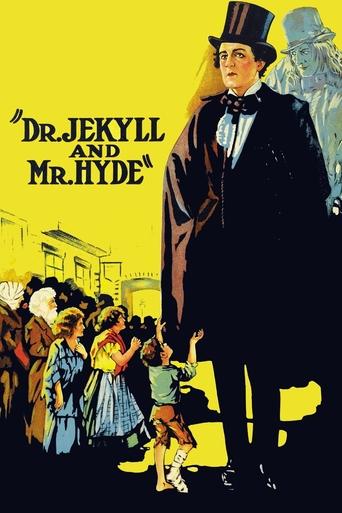
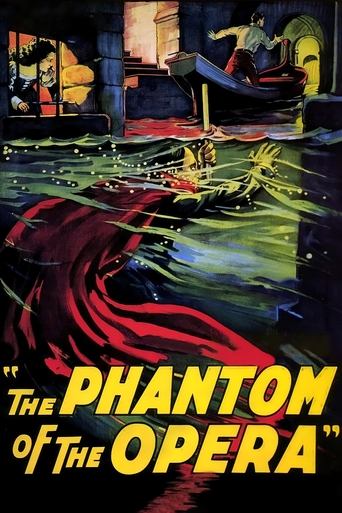
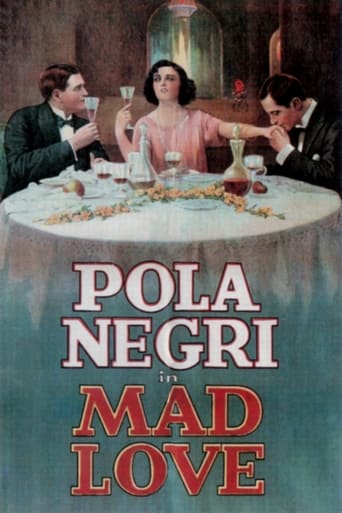
More Horror films
View all →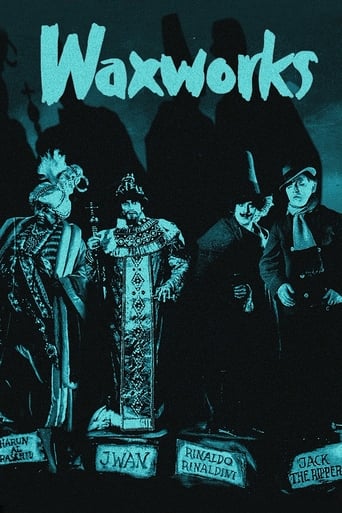


More from Robert Wiene
View all →
More about this film
About the production
Release dateSeptember 24, 1924 (Germany premiere)
ProductionPan-Film GmbH, Orlac-Film GmbH
Filmed inBerlin, Germany, Tempelhof Studios, Berlin
The film was shot during the height of German Expressionism, utilizing the same studio facilities where 'The Cabinet of Dr. Caligari' was filmed. The production employed innovative camera techniques and lighting design to create the psychological horror atmosphere. Conrad Veidt performed many of his own stunts and underwent extensive makeup applications to portray Orlac's psychological deterioration. The hand transplant sequences were considered groundbreaking special effects for their time, using clever editing and prosthetics.
Themes
Identity crisis and loss of selfThe nature vs. nurture debatePsychological trauma and madnessThe ethics of medical advancementBody horror and physical transformation
Themes & topics
pianisthand transplantpsychological horrormurdereridentity crisisparanoiamadnesssurgeryaccidentexpressionist cinemasilent filmbody horrorpsychological thrillermysterysuspensenightmareobsessiontraumatransformationguilt
Historical background
Audiences around 1924 encountered The Hands of Orlac in a market crowded with competing studios fighting for weekly program slots.
Why this film matters
Archivists and festival programmers revisit The Hands of Orlac (1924) because it documents performance styles and craft choices that later mainstream releases refined or replaced.
Making of
The production of 'The Hands of Orlac' took place during the golden age of German cinema, with director Robert Wiene bringing his expressionist expertise from 'The Cabinet of Dr. Caligari.' The filming process was particularly challenging due to the complex psychological themes and the need to convey horror without sound. Conrad Veidt underwent extensive preparation for his role, studying the mannerisms of both concert pianists and individuals suffering from psychological trauma. The studio sets were designed with distorted perspectives and dramatic shadows to reflect Orlac's deteriorating mental state. The hand transplant sequences required innovative special effects techniques, including the use of miniatures and careful editing to create the illusion of surgical procedures. The production team worked closely with medical consultants to ensure the surgical scenes appeared realistic for the time period. The film's climax involved complex stunt work and coordination to create the dramatic confrontation scenes.
What critics said
Audience surveys from 1924 are scarce; reception for The Hands of Orlac must be inferred from reissue patterns and how often programmers still book it.
Did you know?
- The film was based on the 1920 French novel 'Les Mains d'Orlac' by Maurice Renard, which had to be significantly adapted for the screen
- Conrad Veidt specifically requested Robert Wiene as director after their successful collaboration on 'The Cabinet of Dr. Caligari' (1920)
- The film was remade multiple times, including a 1935 version starring Peter Lorre and a 1960 version called 'The Hands of Orlac'
- The concept of hand transplants was purely science fiction in 1924 - the first successful human hand transplant wouldn't occur until 1998
- The film's special effects team created the illusion of transplanted hands using clever camera angles, prosthetics, and double exposures
- Conrad Veidt's performance was so intense that he reportedly suffered from nightmares during filming
- The original negative was considered lost for decades before being rediscovered in the 1970s in a German film archive
- The film was banned in several countries upon release for its disturbing psychological themes
- The expressionist set designs were created by the same team that worked on 'Caligari', including Hermann Warm and Walter Reimann
- The film's success helped establish the psychological horror genre and influenced countless later films about body horror and identity
Awards & recognition
- No major awards were given for German films in 1924, as the German Film Awards were not established until 1951
Visual style
The cinematography by Karl Freund (uncredited) and Günther Krampf exemplifies German Expressionist visual style, employing dramatic lighting, distorted camera angles, and innovative techniques to convey psychological horror. The film uses chiaroscuro lighting to create stark contrasts between light and shadow, reflecting the protagonist's internal conflict between good and evil. Camera work includes Dutch angles and unusual perspectives to disorient viewers and mirror Orlac's deteriorating mental state. The expressionist set designs feature distorted architecture and exaggerated proportions that visually represent the psychological themes. The cinematography also employs innovative techniques such as superimposition and creative editing to create the illusion of the transplanted hands acting independently. The visual style creates a nightmarish atmosphere that enhances the psychological horror without relying on explicit violence.
Innovations
The film pioneered several technical innovations in special effects and cinematography for its time. The hand transplant sequences required groundbreaking use of makeup, prosthetics, and editing techniques to create convincing surgical scenes. The production employed innovative camera techniques, including tracking shots and unusual angles, to enhance the psychological horror. The film's special effects team developed new methods for creating the illusion of disembodied hands and supernatural occurrences. The expressionist set designs required advanced construction techniques to create the distorted perspectives and architectural nightmares characteristic of the style. The film also featured sophisticated editing techniques to create psychological tension and maintain narrative flow in a silent format. These technical achievements contributed significantly to the film's lasting impact on cinema history.
Music
As a silent film, 'The Hands of Orlac' was originally accompanied by live musical performances in theaters, with different venues providing their own orchestral arrangements. The typical score included classical pieces, particularly piano compositions that reflected the protagonist's profession, along with original dramatic music composed for the film's horror elements. Modern restorations have been accompanied by newly commissioned scores from composers specializing in silent film music. These contemporary scores often blend classical elements with modern electronic music to enhance the psychological horror aspects. The original German release likely included music by prominent composers of the era, though specific documentation of the original musical arrangements is scarce. The film's use of music as a narrative device, particularly through Orlac's piano playing, adds an important auditory dimension to the storytelling.
Famous quotes
These hands... they have their own will! They want to kill!
I am no longer Paul Orlac. I am the murderer whose hands I wear.
The piano... it betrays me! These hands cannot create beauty, only destruction!
Every time I look at these hands, I see the face of the man they belonged to!
My mind is my own, but my hands... my hands belong to the grave!
Memorable scenes
- The train accident sequence where Orlac loses his hands, filmed with dramatic expressionist lighting and editing to convey the horror and suddenness of the tragedy
- The surgical transplant scene, which uses innovative special effects and editing to create a convincing and disturbing depiction of the groundbreaking procedure
- The scene where Orlac attempts to play piano with his new hands, only to produce discordant, horrible sounds that symbolize his loss of identity and artistic ability
- The nightmare sequence where Orlac sees his new hands acting independently, reaching out to strangle him while he sleeps
- The final confrontation scene where the true murderer is revealed, featuring dramatic shadows and expressionist set design that heightens the psychological tension
What audiences thought
Contemporary audiences in 1924 were reportedly both terrified and fascinated by the film, with many viewers leaving theaters in shock at the psychological intensity of certain scenes. The film was a commercial success in Germany and performed well internationally, particularly in France and the United States. Audience reactions were divided between those who found the premise too disturbing and those who praised its originality and psychological depth. The film's reputation grew over time, with later generations of horror fans discovering it through revival screenings and home video releases. Modern audiences often express surprise at how effectively the film creates tension and horror without the benefit of sound or modern special effects. The film has developed a cult following among silent film enthusiasts and horror aficionados, who appreciate its artistic merits and historical significance.
Film connections
Influenced by
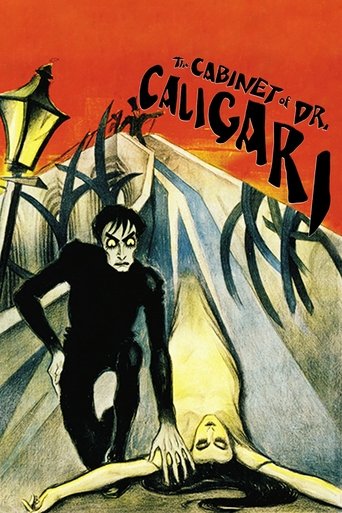
- The Cabinet of Dr. Caligari (1920) - same director and expressionist style
- Les Mains d'Orlac (1920 novel) by Maurice Renard - source material
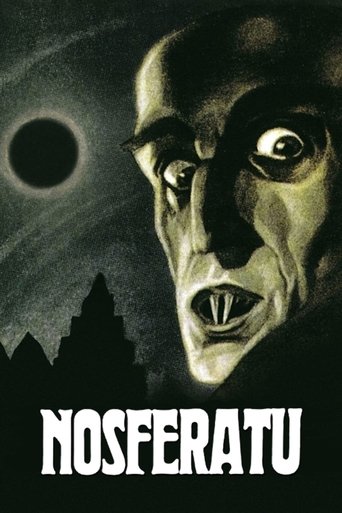
- Nosferatu (1922) - German Expressionist horror
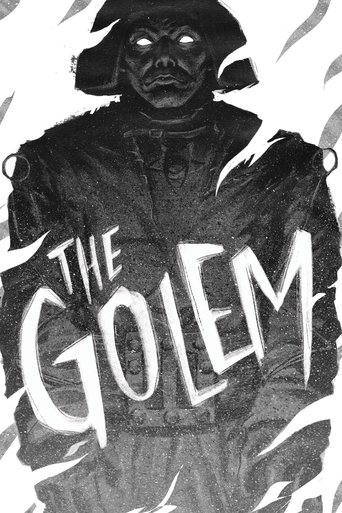
- The Golem (1920) - early German horror cinema
- Dr. Jekyll and Mr. Hyde (1920) - dual personality theme
This film influenced
- Mad Love (1935) - Peter Lorre remake
- The Hands of Orlac (1960) - later remake
- Frankenstein (1931) - theme of created monster
- The Hands of a Stranger (1962) - similar premise
- Body horror films of David Cronenberg
- The Fly (1986) - body transformation theme
- The Eye (2002) - transplanted body parts horror
Film restoration
The film is well-preserved with multiple versions existing in archives worldwide. The original German version survives in excellent condition at the Friedrich Wilhelm Murnau Foundation. Restored versions have been released on Blu-ray and DVD by several distributors, including Kino Lorber and Eureka Entertainment. The film has undergone extensive restoration work to repair damage to the original nitrate elements and enhance image quality. Various versions exist with different running times and intertitle translations, reflecting the film's international distribution. A complete version with original German intertitles is preserved at the Bundesarchiv-Filmarchiv in Berlin.
Where to watch
- Available on Blu-ray and DVD from Kino Classics
- Streaming on The Criterion Channel
- Available for digital rental or purchase on Amazon Prime Video
- Available on YouTube with public domain versions
- Screenings at film archives and museums including Museum of Modern Art
- Available on streaming services specializing in classic cinema such as MUBI