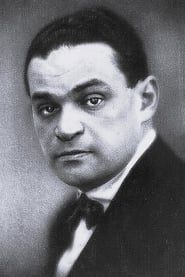
Fritz Kortner
Actor
Born: May 12, 1892 in Vienna, Austria-Hungary Died: July 22, 1970 Active: 1915-1970 Birth Name: Fritz Nathan Kohn
Films
3 films

About Fritz Kortner
Fritz Kortner, born Fritz Nathan Kohn, was among the leading actors of German Expressionist cinema, known for his intense, theatrical performances that perfectly captured the psychological intensity of the movement. He began his stage career in Vienna before transitioning to film during the silent era, quickly establishing himself excelled in psychological drama and character transformation. His breakthrough came with roles in Expressionist masterpieces, where his exaggerated gestures and penetrating gaze became hallmarks of the style. Kortner's career flourished in Weimar Germany, but as a Jewish artist, he was forced to flee when the Nazis rose to power in 1933, first seeking refuge in Austria and France before eventually settling in the United States. In exile, he continued acting in Hollywood films and on Broadway, though he never achieved the same level of prominence as in his German period. After World War II, he returned to Germany where he successfully reinvented himself as both an actor and director, becoming an important figure in post-war German theater and cinema. His later years were marked by acclaimed performances and directorial work that bridged classical Expressionism with more contemporary styles, cementing his legacy as a crucial link between pre-war and post-war German cultural traditions.
The Craft
On Screen
Kortner's acting style was quintessentially Expressionist, characterized by intense psychological realism combined with exaggerated physical gestures and facial expressions. He employed a highly theatrical approach that emphasized the inner turmoil and emotional conflicts of his characters through dramatic body language and penetrating gazes. His technique involved meticulous preparation and a deep understanding of character psychology, allowing him to portray complex anti-heroes and tormented souls with remarkable authenticity. Kortner's voice, when sound cinema arrived, was as distinctive as his visual presence - a deep, resonant baritone that he used with precise modulation to convey psychological states. His performances often featured a characteristic tension between restraint and explosive emotion, creating a magnetic screen presence that dominated every scene.
Milestones
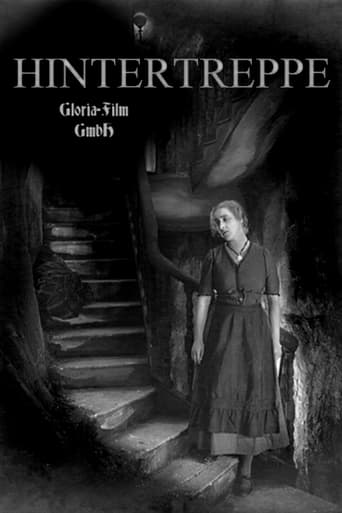
- Breakthrough role in 'Backstairs' (1921) establishing him as an Expressionist star
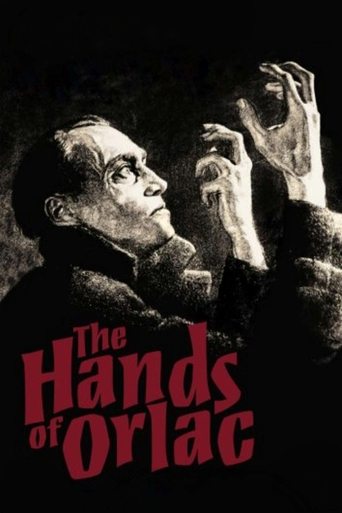
- notable performance as Dr. Orlac in 'The Hands of Orlac' (1924)
- Successful stage career at Vienna's Burgtheater before film work
- Forced exile from Nazi Germany in 1933 due to Jewish heritage
- Broadway debut and subsequent Hollywood career in the 1940s
- Return to Germany post-WWII as both actor and acclaimed director
- Direction of 'Die Brücke' (The Bridge) which won international acclaim
- Final film role in 'The Damned' (1969) by Luchino Visconti
Best Known For
Iconic Roles
Must-See Films
Accolades
Won
- German Film Award for Best Supporting Actor (1967)
- Bambi Award (1965)
- Ernst Reuter Medal (1965)
- Filmband in Gold for lifetime achievement (1969)
Nominated
- Venice Film Festival Golden Lion nomination for 'Die Brücke' (1959)
- Cannes Film Festival nomination for Best Director (1959)
Special Recognition
- Order of Merit of the Federal Republic of Germany
- Honorary citizen of Munich
- Austrian Cross of Honour for Science and Art
- Berlin Film Festival retrospective (1970)
Working Relationships
Worked Often With
Studios
Why They Matter
Impact on Culture
Fritz Kortner's impact on cinema and theater extends far beyond his performances, representing the triumph of artistic integrity over political persecution. As one of the defining faces of German Expressionism, his work helped establish a visual and emotional vocabulary that influenced film noir, psychological thrillers, and horror cinema for decades. His forced exile and subsequent return symbolized the larger story of German cultural figures who survived the Nazi era and helped rebuild post-war German culture. Kortner's post-war directorial work, particularly 'Die Brücke,' contributed to Germany's cinematic confrontation with its Nazi past, establishing a template for Vergangenheitsbewältigung (coming to terms with the past) in German film. His theatrical productions helped revive serious drama in post-war Germany, bridging the gap between pre-war Expressionism and contemporary political theater.
Lasting Legacy
Fritz Kortner's legacy endures through his influence on generations of actors and directors, particularly in German-speaking countries. He is remembered excelled in psychological characterization who brought unprecedented depth to screen acting during the silent era. His work preserved and transformed Expressionist techniques for sound cinema and modern theater, ensuring the movement's continued relevance. Kortner's career trajectory—from Weimar stardom through Nazi persecution to post-war renaissance—shows artistic resilience and moral courage. Today, he is studied as both a historical figure who embodied the cultural upheavals of 20th-century Europe and as an artist whose techniques continue to influence contemporary performance. Film scholars regularly revisit his work as exemplars of Expressionist cinema, while theater historians recognize his crucial role in post-war German cultural reconstruction.
Who They Inspired
Kortner's influence on acting technique was profound, particularly his method of combining external physical expression with internal psychological truth. His approach to character development influenced the Method Acting movement through émigré teachers who brought his techniques to American acting schools. Directors such as Fritz Lang and Billy Wilder incorporated his intense performance style into their films, while actors like Klaus Kinski and Bruno Ganz explicitly cited him as a major influence. His directorial work, especially 'Die Brücke,' established new standards for German war films and influenced subsequent generations of German directors addressing the Nazi period. In theater, his productions helped establish the style of post-war German political theater, influencing directors like Peter Stein and Claus Peymann.
Off Screen
Fritz Kortner's personal life was marked by his Jewish heritage, which profoundly affected his career trajectory during the Nazi era. He married actress Johanna Hofer in 1924, and their partnership endured through exile and return, with Hofer often appearing alongside him in theatrical productions. The couple had no children but maintained a close artistic and personal relationship that lasted nearly five decades until Kortner's death. His exile years were financially and emotionally challenging, though he found support in the émigré community and eventually established himself in American theater and film. After returning to Germany, he became an influential figure in post-war cultural reconstruction, using his art to confront Germany's Nazi past and promote democratic values.
Education
Trained at the Vienna Academy of Music and Performing Arts, studied under director Max Reinhardt in Berlin
Family
- Johanna Hofer (1924-1970)
Did You Know?
- Changed his name from Kohn to Kortner to avoid anti-Semitism, though this didn't protect him from Nazi persecution
- Was fluent in five languages: German, English, French, Italian, and Yiddish
- His distinctive scarred face and intense gaze made him instantly recognizable in silent films
- Worked as a taxi driver in Los Angeles during his early exile years before returning to acting
- His performance in 'The Hands of Orlac' influenced horror actors for decades, particularly in psychological thrillers
- Was one of the first German actors to successfully transition to Hollywood after fleeing Nazi Germany
- His final film role in Visconti's 'The Damned' was completed just months before his death
- Maintained a lifelong friendship with fellow émigré director Billy Wilder
- His stage production of 'The Merchant of Venice' in post-war Germany was controversial for its direct confrontation with anti-Semitism
- Was offered the role of Dracula in the 1931 Universal film but turned it down
In Their Own Words
The actor must be a psychologist who works with his body, not a body that pretends to have psychology.
Exile teaches you that art is not a luxury but a necessity for survival.
In Expressionism, we don't show reality as it is, but as it feels.
The theater is the last place where truth can still be spoken in times of lies.
I came back to Germany not as a victim, but as an artist who has something to say about our shared past.
Frequently Asked Questions
Who was Fritz Kortner?
Prominent Austrian-German actor and on YTB.my. He excelled in psychological characterization who fled Nazi Germany due to his Jewish heritage and later returned to become an influential figure in post-war German theater and film.
What films is Fritz Kortner best known for?
Titles linked here include Backstairs (1921), The Hands of Orlac (1924).
When was Fritz Kortner born and when did he die?
Born May 12, 1892; died July 22, 1970.
What awards did Fritz Kortner win?
Kortner received numerous honors including the German Film Award for Best Supporting Actor (1967), the Bambi Award (1965), the Ernst Reuter Medal (1965), and the Filmband in Gold for lifetime achievement (1969). He was also awarded the Order of Merit of the Federal Republic of Germany and the Austrian Cross of Honour for Science and Art.
What was Fritz Kortner's acting style?
Kortner's acting style was quintessentially Expressionist, characterized by intense psychological realism combined with exaggerated physical gestures and dramatic facial expressions. He used his distinctive presence and deep voice to convey complex emotional states, creating memorable performances that emphasized inner turmoil and psychological depth through both visual and auditory means.