Paul Askonas
Actor
Born: June 28, 1872 in Vienna, Austria-Hungary Died: May 18, 1935 Active: 1910s-1930s
Films
2 films
About Paul Askonas
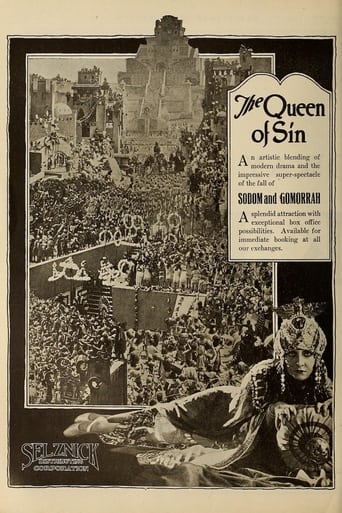
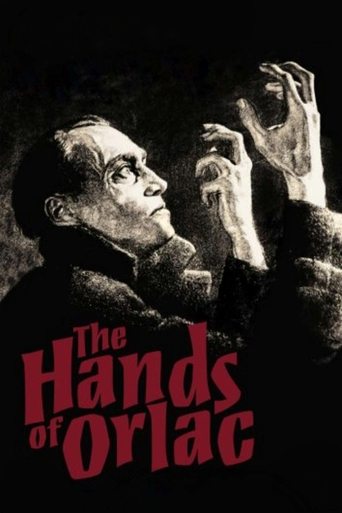
Austrian character actor: both the theatrical stage and the burgeoning film industry of the early 20th century. Born in Vienna in 1872, he began his career in the legitimate theater before transitioning to cinema during the silent era. Askonas became a familiar face in Austrian and German films of the 1920s, specializing in character roles that required his distinctive presence and commanding screen presence. His collaboration with renowned directors like Michael Curtiz and Robert Wiene placed him at the forefront of European cinema during its most innovative period. In 'Sodom and Gomorrah' (1922), he delivered a memorable performance in this epic biblical drama directed by Curtiz, showcasing his ability to convey complex emotions through the subtle art of silent acting. His role in 'The Hands of Orlac' (1924) further cemented his reputation as a reliable character actor in the expressionist cinema movement that was transforming German-language films. Askonas continued his career through the transition to sound films, though his most significant contributions remain rooted in the silent era. He passed away in 1935, leaving behind a legacy of performances that helped define the golden age of Austrian cinema.
The Craft
On Screen
Askonas was known for his expressive face and commanding presence, typical of the theatrical style adapted to silent cinema. His performances were characterized by exaggerated gestures and facial expressions that effectively conveyed emotion without dialogue, while maintaining a dignity that elevated his character roles beyond mere caricature.
Milestones
- Stage career in Vienna theaters
- Transition to silent film in early 1920s
- Role in 'Sodom and Gomorrah' (1922)
- Performance in 'The Hands of Orlac' (1924)
- Work with prominent Austrian and German directors
Best Known For
Iconic Roles
Must-See Films
Working Relationships
Worked Often With
Studios
Why They Matter
Impact on Culture
Paul Askonas contributed to the development of Austrian cinema during its formative years, helping establish Vienna as a significant center of film production in Central Europe. His work in biblical epics like 'Sodom and Gomorrah' demonstrated the technical and artistic ambitions of Austrian filmmakers who sought to compete with Hollywood productions. As part of the ensemble casts that defined European cinema of the 1920s, Askonas helped create the visual language of silent film that would influence generations of filmmakers. His participation in expressionist works like 'The Hands of Orlac' connected him to.
Lasting Legacy
While not as internationally famous as some of his contemporaries, Paul Askonas represents the dedicated character actors who formed the backbone of European cinema during the silent era. His performances survive as testaments to the craft of silent film acting, where subtlety and expressiveness had to convey complex characterizations without dialogue. His work in major Austrian productions helps document the rich film culture that existed in Vienna between the World Wars, a period of artistic innovation that was largely disrupted by political upheaval. Film historians and silent cinema enthusiasts continue to study his performances as examples of the sophisticated acting techniques developed for the medium.
Who They Inspired
As a working actor during the transition from theatrical to film performance, Askonas was part of the generation that helped establish acting techniques specific to cinema. His ability to adapt stage training to the demands of the camera influenced younger actors entering the film industry. While he did not directly mentor famous protégés, his professional approach to character work exemplified standards that became benchmarks for supporting actors in European cinema.
Off Screen
Paul Askonas was born into the cultural heart of Vienna during the Austro-Hungarian Empire, a period of tremendous artistic flourishing. His career coincided with the golden age of Viennese theater and the birth of Austrian cinema. Details about his personal life remain largely undocumented, as was common for character actors of his era who maintained professional privacy.
Education
Likely received theatrical training in Vienna, though specific educational details are not well documented for actors of this period
Did You Know?
- Born in Vienna during the peak of the Austro-Hungarian Empire's cultural influence
- Began his career on the theatrical stage before transitioning to film
- Worked during the same period as other Austrian film pioneers like Michael Curtiz
- Appeared in
- Participated in the German expressionist film movement through 'The Hands of Orlac'
- His active years covered the transition from silent to sound cinema
- Represented the type of versatile character actor essential to European film production
- Worked during a period when Vienna was competing with Berlin as a center of German-language cinema
- His filmography reflects the international co-productions common in European cinema of the 1920s
- Died before the major political changes that would disrupt Austrian film production in the late 1930s
Frequently Asked Questions
Who was Paul Askonas?
Austrian character with credits in this catalog. He began his career in theater before transitioning to cinema and became known for his distinctive presence in supporting roles.
What films is Paul Askonas best known for?
Titles linked here include Sodom and Gomorrah (1922), The Hands of Orlac (1924).
When was Paul Askonas born and when did he die?
Born June 28, 1872; died May 18, 1935.
What awards did Paul Askonas win?
There are no documented major awards or honors for Paul Askonas, which was common for character actors of his era. Recognition for supporting actors was limited during the silent film period, and many performers like Askonas were appreciated primarily by audiences and industry professionals rather than through formal awards.
What was Paul Askonas's acting style?
Askonas employed the theatrical style adapted for silent cinema, characterized by expressive facial features and deliberate gestures that could convey emotion without dialogue. His performances maintained a dignified quality that elevated his character roles beyond mere caricature, reflecting his stage training while embracing the intimate demands of film acting.