Films
1 film
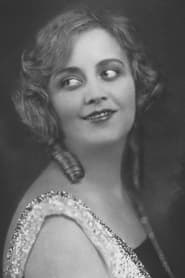
About Alexandra Sorina
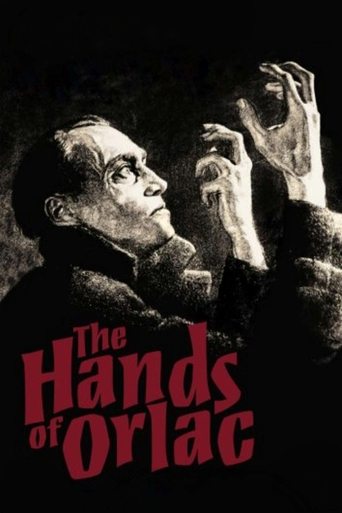
The 1924 film The Hands of Orlac is the only title linked here for Alexandra Sorina. Though her career was notably brief, spanning only the year 1924. Her most significant and possibly only known film role was in the Austrian-German silent horror film 'The Hands of Orlac' (1924), directed by Robert Wiene, the acclaimed director of 'The Cabinet of Dr. Caligari.' The film, based on a novel by Maurice Renard, was a psychological horror that became notable for its expressionistic style and atmospheric tension. Sorina played a supporting role in this influential early horror production, which starred Conrad Veidt and was one of the works in the psychological thriller genre. Despite appearing in what would become a cult classic of silent cinema, Sorina's filmography appears to have been limited to this single production, making her one of the many one-film actors of the silent era whose contributions to cinema history, while brief, remain preserved through their participation in significant works. The lack of extensive documentation about her subsequent career suggests she may have left the film industry shortly after this production, which was not uncommon for actors of the period, particularly those in supporting roles.
The Craft
Milestones
- Appeared in the influential silent horror film 'The Hands of Orlac' (1924)
- Worked with renowned director Robert Wiene
- Participated in Austrian-German expressionist cinema movement
Best Known For
Iconic Roles
Must-See Films
Working Relationships
Worked Often With
Why They Matter
Impact on Culture
Alexandra Sorina's cultural impact is primarily tied to her participation in 'The Hands of Orlac,' a film that has endured as a significant work in the history of horror cinema and German expressionism. While her individual contribution may have been limited to a supporting role, the film itself has influenced generations of horror filmmakers and continues to be studied for its psychological depth and visual style. The movie's themes of identity, body horror, and psychological terror were ahead of their time and have been referenced and remade multiple times throughout cinema history. Sorina, as part of this production, contributed to the preservation of early 20th-century European cinema techniques and storytelling approaches that would later influence film noir and psychological thrillers worldwide.
Lasting Legacy
Alexandra Sorina's legacy is that of a representative figure from the golden age of European silent cinema, embodying the countless actors who contributed to important films of the era despite having brief or limited careers. Her appearance in 'The Hands of Orlac' ensures her place in film history, however small, as a participant in. The film's continued study and appreciation by film scholars and horror enthusiasts means that Sorina's work, though limited, remains accessible to modern audiences interested in the origins of psychological horror and German expressionist cinema. Her story also serves as a reminder of the many talented individuals from early cinema whose full stories may never be completely known, but whose contributions live on through the enduring power of the films they helped create.
Who They Inspired
Given the limited scope of Alexandra Sorina's documented career, there is little evidence of direct influence on other actors or filmmakers. However, her participation in 'The Hands of Orlac' means she indirectly contributed to the film's influence on subsequent generations of horror cinema. The movie's themes and visual style influenced countless later works, including films by Alfred Hitchcock and other masters of psychological suspense. While Sorina herself may not have been a direct mentor or influence, her contribution to this influential work places her within the lineage of artists who helped establish the foundations of modern horror cinema.
Off Screen
Very little documented information exists about Alexandra Sorina's personal life, which is typical for many supporting actors from the silent era who had brief film careers. Her limited filmography and the scarcity of biographical details suggest she may have pursued acting as a temporary occupation or left the entertainment industry shortly after her appearance in 'The Hands of Orlac.' The lack of marriage records, family information, or personal interviews in historical archives indicates she maintained a private life away from the public eye, which was not uncommon for actors in supporting roles during the 1920s, especially in European cinema where documentation was less comprehensive than in Hollywood.
Did You Know?
- Appeared in only one known film during her career
- Worked on an Austrian-German co-production during the height of European expressionist cinema
- The Hands of Orlac has been remade multiple times, most notably in 1935 and 1960
- Director Robert Wiene was famous for 'The Cabinet of Dr. Caligari' (1920)
- The film was based on a 1920 novel by French author Maurice Renard
- Co-star Conrad Veidt was
- The film explored themes that would later become common in body horror genre
- Despite being a supporting player, Sorina's performance is preserved in a film that has survived nearly a century
Frequently Asked Questions
Who was Alexandra Sorina?
Silent film actress from the 1920s who had a brief but notable career, appearing primarily in the 1924 Austrian-German horror film 'The Hands of Orlac.' Her filmography appears to be limited to this single production, making her a representative example of the many actors from the silent era who contributed to important films despite having short careers.
What films is Alexandra Sorina best known for?
Titles linked here include The Hands of Orlac (1924).
When was Alexandra Sorina born and when did she die?
Unfortunately, specific birth and death dates for Alexandra Sorina are not documented in available historical records, which is common for many supporting actors from the silent era, particularly those who had brief careers in European cinema.
What awards did Alexandra Sorina win?
There are no documented awards or nominations for Alexandra Sorina, which was typical for supporting actors in European cinema during the 1920s when formal award systems were less established than they later became in Hollywood.
What was Alexandra Sorina's acting style?
Given the limited documentation of her career and the fact that 'The Hands of Orlac' was an expressionist film, Sorina likely employed the exaggerated gestures and dramatic facial expressions characteristic of silent era acting, particularly within the German expressionist tradition which emphasized psychological intensity and visual symbolism.