Films
1 film
About Carmen Cartellieri
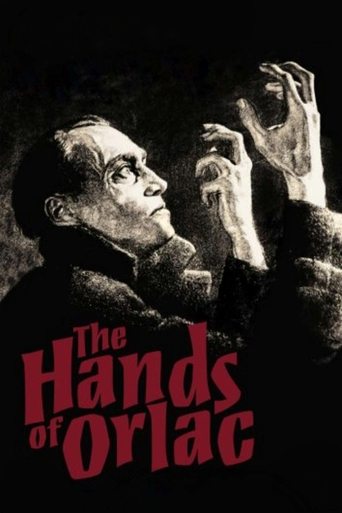
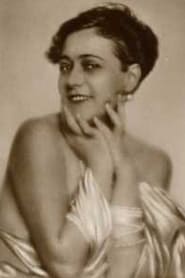
Actress during the silent film era, best known for her role in the 1924 German Expressionist horror film 'The Hands of Orlac' directed by Robert Wiene. Her appearance in this critically acclaimed film represents her most notable contribution to cinema, as her film career appears to have been extremely brief, possibly limited to just this one production. 'The Hands of Orlac' was a significant work in the German Expressionist movement, and Cartellieri was part of an ensemble cast led by the renowned Conrad Veidt. The film told the story of a concert pianist who receives a hand transplant from a executed murderer and believes his new hands have developed a will of their own. While her role in the film was supporting, being part of such an influential work of silent cinema places her within the important context of 1920s European filmmaking. Her career appears to have been confined to the year 1924, making her one of the many brief but memorable contributors to the golden age of silent cinema.
The Craft
Milestones
- Appeared in 'The Hands of Orlac' (1924), a landmark German Expressionist horror film
- Worked with director Robert Wiene, a pioneer of Expressionist cinema
- Shared the screen with Conrad Veidt,
Best Known For
Iconic Roles
Must-See Films
Working Relationships
Worked Often With
Why They Matter
Impact on Culture
Carmen Cartellieri's cultural impact is primarily tied to her participation in 'The Hands of Orlac,' a film that has endured as a classic of German Expressionist cinema. While her individual contribution was modest and her career brief, being part of such an influential work places her within the important historical context of 1920s European filmmaking. The film itself has been referenced and remade multiple times, including in 1935 and 1960, demonstrating its lasting influence on horror cinema and psychological thrillers. Her role, though not a lead, contributes to the atmospheric tension and artistic vision that made the film a masterpiece of its genre.
Lasting Legacy
Carmen Cartellieri's legacy is that of a brief but notable contributor to. While she may not be remembered as a major star of the era, film historians and enthusiasts of silent cinema recognize her as part of the ensemble that brought 'The Hands of Orlac' to life. Her story represents the many actors who contributed to classic films but whose careers were short-lived or whose personal details have been lost to time. She serves as a reminder of the collaborative nature of filmmaking and how even small roles contribute to the enduring power of cinematic masterpieces.
Who They Inspired
Given the brevity of her film career, Carmen Cartellieri's direct influence on other actors or filmmakers appears to be minimal. However, her participation in 'The Hands of Orlac' means she contributed to a film that has influenced generations of horror and psychological thriller directors. The film's themes of identity, obsession, and the psychological impact of physical trauma have resonated throughout cinema history, and all who contributed to its creation, including Cartellieri, played a part in this lasting influence on the genre.
Off Screen
Very little information is available about Carmen Cartellieri's personal life, which is not uncommon for supporting actors from the silent era who had brief film careers. Her obscurity in film history suggests she may have pursued other career paths outside of cinema after 1924, or possibly returned to her home country if she was working abroad during her brief film appearance.
Did You Know?
- Her film career appears to have been limited to a single year, 1924
- 'The Hands of Orlac' was directed by Robert Wiene, who also directed the groundbreaking 'The Cabinet of Dr. Caligari' (1920)
- The film was based on a novel by Maurice Renard
- The story has been adapted multiple times, including a 1935 version starring Peter Lorre
- German Expressionism, the style of 'The Hands of Orlac,' heavily influenced film noir in the 1940s and 1950s
- The film's themes of psychological horror were ahead of their time
- Conrad Veidt, the film's star, later became famous for playing Major Strasser in 'Casablanca' (1942)
Frequently Asked Questions
Who was Carmen Cartellieri?
Actress from the silent film era who is primarily known for her appearance in the 1924 German Expressionist horror film 'The Hands of Orlac.' Her film career appears to have been extremely brief, possibly limited to just this one production, but she was part of an influential work of classic cinema.
What films is Carmen Cartellieri best known for?
Titles linked here include The Hands of Orlac (1924).
When was Carmen Cartellieri born and when did she die?
Unfortunately, specific birth and death dates for Carmen Cartellieri are not readily available in historical records, which is not uncommon for supporting actors from the silent era who had brief film careers.
What awards did Carmen Cartellieri win?
There are no known awards or nominations for Carmen Cartellieri, which is typical for supporting actors in the 1920s, especially those with very brief film careers.
What was Carmen Cartellieri's acting style?
Specific details about Carmen Cartellieri's acting style are not well-documented, but as she appeared in a German Expressionist film, she likely worked within that tradition's exaggerated, stylized performance style that emphasized psychological states through physical expression.
Why is 'The Hands of Orlac' considered important?
'The Hands of Orlac' is considered important as a masterpiece of German Expressionist cinema, known for its psychological horror themes, atmospheric visuals, and influence on later horror films. The film explores themes of identity, obsession, and the mind-body connection in ways that were ahead of their time.