Otto Rippert
Actor & Director
Born: October 22, 1869 in Offenbach am Main, German Empire Died: January 18, 1940 Active: 1912-1925 Birth Name: Otto Friedrich Rippert
Films
5 films

About Otto Rippert
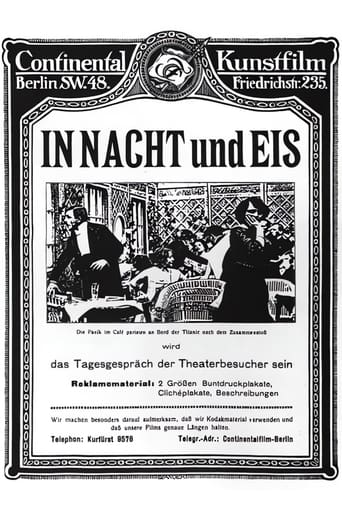
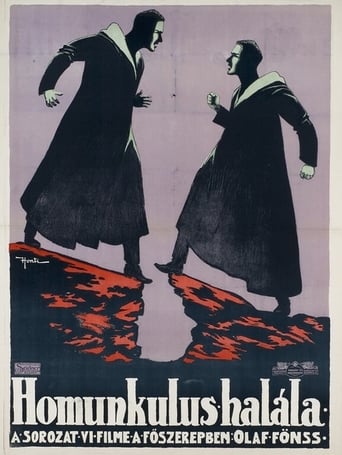
Made significant contributions to early silent cinema, particularly in the science fiction genre. Born in Offenbach am Main, he began his film career as an actor in 1912, appearing in films like 'In Night and Ice,' one of the earliest cinematic depictions of the Titanic disaster. He transitioned to directing and achieved his greatest success with the 1916 six-part serial 'Homunculus,' starring Paul Wegener, which is considered one of the earliest feature-length science fiction films in cinema history. Rippert's directing style showed the technical and narrative ambitions of early German cinema, working during the formative years before the full flowering of German Expressionism. His career was concentrated primarily in the 1910s, during which he directed numerous films that explored themes of artificial creation and scientific experimentation. Despite his relatively short active period, his work, particularly 'Homunculus,' had a lasting influence on the development of science fiction cinema. He continued working in the German film industry through the 1920s and 1930s, though his most significant contributions came during his peak creative period in the mid-1910s.
The Craft
On Screen
Rippert's acting style was typical of the silent era, characterized by exaggerated gestures and dramatic expressions to convey emotion without dialogue. His performances in early German films showed the theatrical influences common in cinema's transition from stage to screen.
Behind the Camera
Rippert's directing style demonstrated the innovative spirit of early German cinema, with particular skill in handling complex narrative structures and visual effects. His work on 'Homunculus' showed sophisticated understanding of cinematic storytelling, using innovative camera techniques and visual metaphors to explore philosophical themes.
Milestones
- Directed the science fiction serial 'Homunculus' (1916)
- Acted in 'In Night and Ice' (1912), one of the first Titanic films
- Directed 'The Artificial Man' (1916)
- Collaborated with prominent actor Paul Wegener
- Contributed to early German genre cinema development
Best Known For
Iconic Roles
Must-See Films
Accolades
Special Recognition
- Recognized as a pioneer of early science fiction cinema
- Homunculus preserved as historically significant by film archives
Working Relationships
Worked Often With
Studios
Why They Matter
Impact on Culture
Otto Rippert's most significant cultural impact came through his direction of 'Homunculus,' which was one of the earliest feature-length science fiction films and helped establish many tropes that would become staples of the genre. The film's exploration of artificial life and scientific ethics prefigured later classics like 'Metropolis' and 'Frankenstein.' His work during the formative years of German cinema contributed to the development of visual storytelling techniques that would influence the German Expressionist movement of the 1920s. 'Homunculus' was particularly notable for its ambitious six-part structure and philosophical depth, demonstrating cinema's potential for serious artistic exploration.
Lasting Legacy
Otto Rippert's legacy lies primarily in his contribution to early science fiction cinema, with 'Homunculus' remaining his most enduring work. The film is studied by film historians as an important precursor to the German Expressionist masterpieces that would follow and as an early example of cinema's ability to explore complex philosophical themes. While his name is not as widely recognized as some of his contemporaries, his work represents an important bridge between early cinema's technical experimentation and the artistic maturity of the 1920s. His films, particularly 'Homunculus,' have been preserved by film archives and continue to be screened at classic film festivals, introducing new generations to early German cinema.
Who They Inspired
Rippert's work, especially 'Homunculus,' influenced subsequent German filmmakers by demonstrating the possibilities of genre filmmaking and complex narrative structures. His approach to visual storytelling and thematic depth helped pave the way for the more famous German Expressionist directors like F.W. Murnau and Fritz Lang. The artificial being theme he explored in 'Homunculus' would become a recurring motif in science fiction cinema, influencing countless later films dealing with questions of creation and identity.
Off Screen
Otto Rippert was married to actress Loni Nest, who was significantly younger than him and had a successful career as a child actress. His personal life was relatively private compared to his professional contributions to cinema. He lived through the tumultuous periods of German history, from the German Empire through World War I, the Weimar Republic, and into the early years of Nazi Germany.
Education
Limited information available about his formal education, but he likely received theatrical training typical of actors of his era
Family
- Loni Nest (1925-1940, until his death)
Did You Know?
- 'Homunculus' was one of the earliest feature-length science fiction films, predating more famous works like 'Metropolis' (1927)
- The film 'In Night and Ice' (1912) that he acted in was released the same year as the actual Titanic disaster
- 'Homunculus' was released as a six-part serial, each part being a complete film
- His wife Loni Nest was a famous child actress who started her career at age 4
- The 'Homunculus' story was based on Goethe's 'Faust' and explored themes of artificial creation
- Despite his German heritage, his films showed influences from international cinema
- His active period coincided with the rapid technical and artistic development of cinema
- The special effects in 'Homunculus' were considered innovative for their time
- His active years covered the transition from short films to feature-length cinema
- He worked during the golden age of German silent cinema before the rise of sound
In Their Own Words
While specific quotes from Otto Rippert are not well documented, his work on 'Homunculus' explored profound questions about human nature and artificial creation
Frequently Asked Questions
Who was Otto Rippert?
German actor and on YTB.my.' He worked during the formative years of German cinema and contributed significantly to early genre filmmaking, particularly in science fiction.
What films is Otto Rippert best known for?
Titles linked here include Homunculus (1916), In Night and Ice (1912).
When was Otto Rippert born and when did he die?
Born October 22, 1869; died January 18, 1940.
What awards did Otto Rippert win?
There are no documented major awards or nominations for Otto Rippert, as he worked during the early years of cinema before many modern film awards were established. His recognition comes primarily from his historical significance as a pioneer of early science fiction cinema.
What was Otto Rippert's directing style?
Rippert's directing style demonstrated innovative approaches to visual storytelling and complex narratives typical of early German cinema. His work showed sophisticated understanding of cinematic techniques, particularly in handling science fiction themes and visual effects that were advanced for their time.