In Night and Ice
"Just a few months after the sinking of the Titanic"
Keys: Space play/pause · ←/→ 10s · F fullscreen · M mute · </> speed
About this film
Just a few months after the sinking of the Titanic, director Mime Misu recreated the shipwreck in Berlin and the surrounding area. Tinted scenes and creative special effects escalate the drama until the sinking of the ship, which was staged using a model on a lake near Königs Wusterhausen.
Cast & crew
More films like this
More Drama films
View all →







More about this film
About the production
Release dateAugust 1912
Box officeUnknown - box office records from this period are scarce
ProductionContinental-Kunstfilm GmbH
Filmed inBerlin studios, Lake near Königs Wusterhausen (for sinking sequence)
The sinking sequence was achieved using a large model ship on a lake, with cameras positioned to create dramatic angles. The picture used tinting techniques to enhance emotional impact, with blue tones for night scenes and warm colors for interior scenes. Special effects included smoke machines for the smokestacks and explosives to simulate the ship breaking apart. The production moved quickly to capitalize on public interest in the Titanic disaster, filming just months after the actual sinking.
Themes
Technological hubrisClass divisionHuman mortalityHeroism in crisisNature vs. technology
Themes & topics
TitanicShipwreckIcebergDisasterSinking shipClass struggleSurvivalTragedyMaritime disasterEarly cinema
Historical background
Continental-Kunstfilm GmbH's 1912 release of In Night and Ice fit contemporary Germany programs that mixed fiction, news, and novelty subjects for repeat weekly attendance.
Why this film matters
Programmers and historians revisit In Night and Ice (1912) because its story—just a few months after the sinking of the titanic, director mime misu recreated the shipwreck in berlin and the surrounding area—illustrates popular narrative habits and production norms of the period.
Making of
The production of In Night and Ice was remarkably swift, capitalizing on the intense public fascination with the Titanic disaster that had occurred just months earlier. Director Mime Misu and his team at Continental-Kunstfilm worked feverishly to bring the story to screen, using Berlin studios for interior scenes and a nearby lake for the exterior sequences. The most challenging aspect was creating the sinking sequence, which involved constructing a detailed model of the Titanic and using innovative camera techniques to simulate the disaster. The crew used multiple cameras, underwater photography techniques, and carefully timed explosions to create the illusion of the ship breaking apart. the picture's tinting process was done by hand, with each frame carefully colored to enhance the emotional impact of different scenes. Despite the technical limitations of 1912, the production achieved remarkable visual effects that impressed contemporary audiences.
What critics said
English-language trade reviews of In Night and Ice are limited for 1912. Where notices survive, they stress pacing and photographic clarity; later criticism values the title as archival evidence of studio style.
Did you know?
- This was the first-ever film about the Titanic disaster, made just four months after the actual sinking in April 1912
- Director Mime Misu was Romanian-born and worked primarily in Germany during the silent era
- the picture's special effects were considered innovative for their time, using a 20-foot model ship for the sinking sequence
- Only a fragment of the original film survives today, approximately 5 minutes of footage
- the picture was rediscovered in 1998 in a German film archive
- The sinking scene was filmed on a lake near Berlin using elaborate model work and camera tricks
- the picture was tinted in different colors to enhance mood and emotion - blue for night scenes, amber for interiors
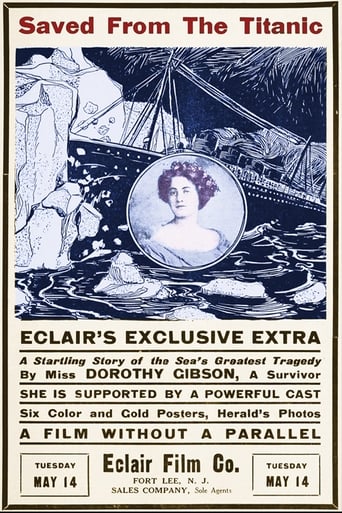
- It predates the famous American Titanic film 'Saved from the Titanic' (also 1912) by several months
- the picture's rapid production (completed in just weeks) demonstrated the early film industry's ability to respond quickly to current events
- The surviving fragment includes the dramatic sinking sequence, which was the picture's climactic centerpiece
Awards & recognition
- None - film awards were not yet established in 1912
Visual style
The cinematography of In Night and Ice employed techniques typical of German cinema in 1912 while pushing boundaries in special effects photography. the picture used multiple camera angles, which was relatively innovative for the period, especially during the sinking sequence. The cinematographers utilized long shots to establish the scale of the ship and medium shots for character interactions. The sinking sequence featured underwater photography techniques and carefully choreographed camera movements to enhance the drama. the picture's visual style was enhanced through extensive tinting, with blue tones for night scenes, amber for warm interiors, and other colors to emphasize emotional moments. The surviving fragment demonstrates sophisticated use of depth of field and composition, particularly in the model work scenes.
Innovations
In Night and Ice featured several technical innovations for its time, most notably in its special effects work. The sinking sequence used a large-scale model ship (approximately 20 feet long) on a lake, with carefully timed explosives to simulate the ship breaking apart. The production employed multiple cameras to capture the disaster from different angles, creating a more dynamic visual experience than typical single-camera setups of the era. the picture's use of tinting was particularly sophisticated, with different colors applied to enhance emotional tone and time of day. The underwater effects and smoke machines used for the sinking sequence were considered cutting-edge for 1912. the picture also demonstrated advanced editing techniques for the period, particularly in building tension during the disaster sequences.
Music
As a silent film, In Night and Ice would have been accompanied by live musical performance during its original theatrical run. The typical presentation would have featured a pianist or small orchestra playing appropriate music to enhance the dramatic impact of each scene. The score likely included popular classical pieces of the era, dramatic incidental music for the sinking sequence, and lighter romantic themes for scenes aboard the ship. The exact musical accompaniment varied by theater and musician, as was common practice in 1912. No original score or cue sheets survive, though modern screenings of the fragment typically use period-appropriate music.
Famous quotes
No intertitles survive from the complete film, but the surviving fragment includes German intertitles describing the disaster: 'Eisberg voraus!' (Iceberg ahead!) and 'Die Titanic sinkt!' (The Titanic is sinking!)
Memorable scenes
- The climactic sinking sequence, where the model Titanic dramatically breaks apart and sinks into the lake, with smoke, explosions, and carefully orchestrated camera angles creating a spectacular visual effect that was revolutionary for 1912 cinema
What audiences thought
Audiences in 1912 reportedly flocked to see the picture, drawn by the combination of the recent Titanic disaster and the promise of spectacular visual effects. the picture's timely release, coming just months after the actual sinking, created intense public interest. Contemporary accounts suggest that viewers were particularly impressed by the sinking sequence, which was considered technically brilliant for its time. the picture's emotional impact was heightened by the fact that many audience members had personal connections to or strong feelings about the Titanic disaster. While some criticized the picture as potentially exploitative, most viewers seemed to appreciate the opportunity to see the dramatic events visualized on screen.
Film connections
Influenced by
- Contemporary newspaper accounts of the Titanic disaster
- Earlier maritime films
- German theatrical traditions
- Contemporary melodrama conventions
This film influenced
- Saved from the Titanic (1912)
- Atlantic (1929)
- A Night to Remember (1958)
- The Unsinkable Molly Brown (1964)
- Titanic (1997)
Film restoration
the picture is partially lost - only a fragment of approximately 5 minutes survives, primarily consisting of the sinking sequence and some intertitles. This fragment was discovered in 1998 in the German Federal Film Archive. The surviving portion has been restored and preserved by film archives, but the majority of the original film, including most character development scenes and the complete narrative, remains lost.
Where to watch
- The surviving fragment can be viewed on YouTube and various film archive websites
- Available on some DVD compilations of early cinema and Titanic films
- Screenings at film museums and special cinema events occasionally feature the restored fragment
- The Filmarchiv Austria and other European film archives hold copies for academic viewing