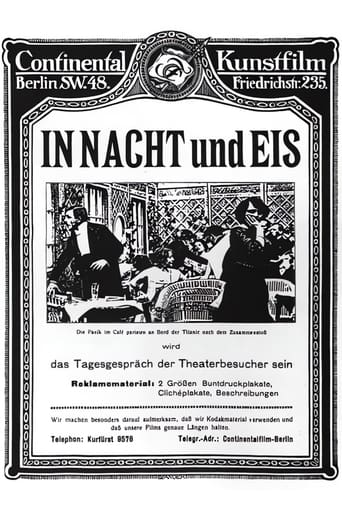
Films
1 film
About Waldemar Hecker
Waldemar Hecker is credited on a single production — In Night and Ice (1912). Like many actors of this era, he likely came from a theatrical background and transitioned briefly into the new medium of motion pictures. The film in which he appeared was one of the very first cinematic depictions of the Titanic disaster, released just months after the actual sinking in April 1912. Unfortunately, like many actors from this period, detailed documentation about his life, career trajectory, and other potential film work has been lost to time. His contribution represents the typical journey of many early film actors who participated in cinema's formative years before either returning to stage work or leaving performance entirely.
The Craft
Milestones
- Appeared in 'In Night and Ice' (1912), one of the earliest Titanic disaster films
Best Known For
Iconic Roles
Must-See Films
Working Relationships
Worked Often With
Why They Matter
Impact on Culture
Waldemar Hecker's cultural impact is primarily through his participation in one of cinema's earliest disaster films. 'In Night and Ice' was groundbreaking as it was produced just months after the actual Titanic sinking, representing the immediate cultural response to one of the early 20th century's most significant tragedies. The film was part of the emerging German film industry's efforts to create dramatic narratives based on contemporary events, helping establish the disaster genre in cinema. Although the film itself is now lost, its existence and the actors who participated in it represent the foundational period of feature filmmaking when cinema was transitioning from short novelty pieces to more substantial dramatic works.
Lasting Legacy
Waldemar Hecker's legacy is tied to the historical significance of 'In Night and Ice' as one of the earliest cinematic treatments of the Titanic disaster. While his individual contribution may be small, he represents the countless actors who participated in cinema's formative years, helping establish the medium as a legitimate art form. The film's status as a lost work makes all the more precious the documentation of its cast members, as they represent a vanished piece of film history. His appearance in this early German production contributes to our understanding of the international scope of early filmmaking and how quickly cinema responded to major world events.
Who They Inspired
As an actor from the very earliest period of feature filmmaking, Waldemar Hecker's direct influence on subsequent performers is difficult to trace. However, his participation in early narrative cinema contributed to the development of film acting techniques that would evolve throughout the silent era. Actors of this period helped establish the transition from theatrical acting styles to the more subtle techniques required for the camera, though this evolution would continue for many years.
Off Screen
Very little is documented about Waldemar Hecker's personal life, which is typical for actors from the very early silent era who had brief film careers. Like many performers of this period, he may have been primarily a stage actor who did occasional film work, or someone who tried the new medium of cinema briefly before pursuing other interests.
Did You Know?
- Appeared in 'In Night and Ice' (1912), which was released just months after the actual Titanic sinking in April 1912
- The film he appeared in is now considered lost, making surviving documentation about its cast particularly valuable
- His entire known film active years covered only one year, 1912
- Like many early film actors, he was likely German and part of the burgeoning German film industry
- The film was directed by Mime Misu, who also directed other early Titanic-themed films
- Early cinema actors like Hecker often worked without screen credit, making identification difficult
- His career represents the typical pattern of many early film actors who appeared in only one or two films
- The film was produced during a period when German cinema was establishing itself as a major European film industry
Frequently Asked Questions
Who was Waldemar Hecker?
German with credits in this catalog.' His career was extremely brief, with records indicating he was only active in cinema during 1912.
What films is Waldemar Hecker best known for?
Titles linked here include In Night and Ice (1912).
When was Waldemar Hecker born and when did he die?
Unfortunately, specific birth and death dates for Waldemar Hecker are not documented, which is common for actors from the very early silent era who had brief film careers.
What awards did Waldemar Hecker win?
There are no recorded awards or nominations for Waldemar Hecker, which is typical for actors from 1912 as formal award systems for cinema had not yet been established.
What was Waldemar Hecker's acting style?
Specific details about Waldemar Hecker's acting style are not documented. Actors from this period typically used theatrical techniques that were gradually adapted for the camera as film acting evolved.
Why is 'In Night and Ice' significant?
'In Night and Ice' is historically significant as one of the very first films about the Titanic disaster, produced just months after the actual sinking. It represents early cinema's immediate response to major world events.