Diana Karenne
Actor
Born: 1888 in Warsaw, Poland (Russian Empire) Died: October 14, 1940 Active: 1914-1929 Birth Name: Leokadia Maria Kazarnowska
Films
1 film
About Diana Karenne
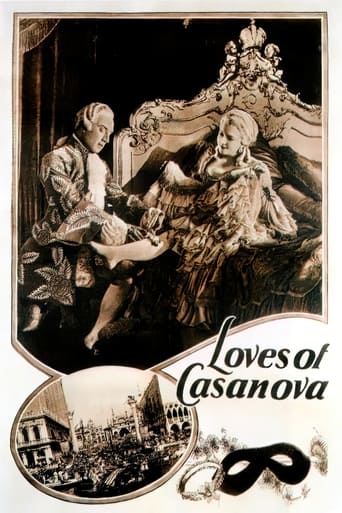
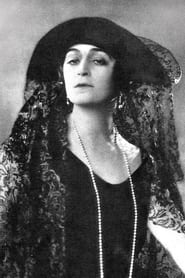
Diana Karenne, born Leokadia Maria Kazarnowska, was a Polish actress, director, and producer who became prominent stars of European cinema during the silent era. She began her career in theater before transitioning to film, quickly establishing herself as a leading lady in Italian and German productions. Karenne was known for her exotic beauty, intense dramatic performances, and remarkable versatility, often playing femme fatale roles that captivated audiences across Europe. She was one of the few women in early cinema to take control behind the camera, directing and producing several of her own films, which was exceptionally rare for women in the industry at that time. Her career flourished throughout the 1910s and 1920s, with her starring in numerous successful productions including 'Loves of Casanova' (1927). As the talkies emerged, her career began to wane, and she eventually retired from acting. Tragically, her life came to an end during World War II when she was killed in an air raid in Aachen, Germany, in 1940, marking the premature end of a remarkable cinematic pioneer.
The Craft
On Screen
Known for her intense, dramatic performances and expressive acting style typical of the silent era. Karenne specialized in playing passionate, often dangerous women and femme fatale roles. Her performances were characterized by exaggerated gestures and facial expressions that conveyed emotion without dialogue, while her striking appearance and commanding screen presence made her particularly memorable in melodramatic roles.
Milestones
- Starred in over 50 silent films across Europe
- Directed and produced her own films
- Became one of the highest-paid European actresses of the 1920s
- Established her own production company
- Successfully transitioned from theater to film
- Worked in multiple languages including Italian, German, and Polish
Best Known For
Iconic Roles
Must-See Films
Accolades
Special Recognition
- Recognized as one of the women directors in early cinema
- Honored in Polish film history as a groundbreaking actress and filmmaker
Working Relationships
Worked Often With
Studios
Why They Matter
Impact on Culture
Trailblazer for women in cinema, particularly in her role as both actress and on YTB.my. Her success across multiple European film industries helped establish the international nature of early cinema and demonstrated that actresses could achieve stardom beyond Hollywood. She was part of the first generation of film stars who understood the power of cinema as an art form and business, using her fame to create opportunities for herself behind the camera. Her exotic Polish origins and European appeal represented the cosmopolitan nature of silent cinema, where national boundaries were less important than star power and artistic vision.
Lasting Legacy
Diana Karenne's legacy lies in her role as one of the few women to successfully direct and produce films in the early 20th century. She is remembered in film history as an example of female empowerment in an industry dominated by men, and her work has been rediscovered by film scholars studying women's contributions to early cinema. Her tragic death during WWII cut short a remarkable career that spanned multiple countries and languages. Today, she is celebrated in retrospective film festivals and academic studies as an important figure in the history of European cinema and women's filmmaking.
Who They Inspired
Karenne influenced subsequent generations of European actresses and filmmakers, particularly women who aspired to work behind the camera. Her success in establishing her own production company served as an early model for independent filmmaking. Her dramatic acting style and choice of challenging roles helped elevate the artistic standards of European cinema during the silent era. Contemporary filmmakers studying early women directors often cite her as an important example of female creative control in cinema's formative years.
Off Screen
Diana Karenne led a colorful and somewhat mysterious personal life that matched her on-screen persona. She was known for her intelligence and sophistication, speaking multiple languages fluently. Her personal relationships were often the subject of media attention, though she maintained a degree of privacy about her private affairs. She was deeply committed to her craft and was known as a demanding professional who took her work very seriously. Her later years were marked by the political upheaval in Europe, and she ultimately became a victim of World War II.
Education
Studied at drama schools in Warsaw and Vienna, received formal theatrical training before entering films
Family
- Carlo Di Gaudio (married 1913, divorced)
Did You Know?
- Born as Leokadia Maria Kazarnowska, she created her stage name by combining 'Diana' (the Roman goddess) with 'Karenne' (a variation of her surname)
- She was one of the first women in Europe to establish her own film production company
- Spoke fluent Polish, Italian, German, French, and English
- Her exotic looks were often emphasized in publicity materials, with studios sometimes claiming she had mysterious or royal ancestry
- She directed at least 5 films during her career, a remarkable achievement for women in the 1920s
- Was one of the highest-paid actresses in Europe during the height of her career
- Her film 'La donna nuda' (1914) was considered scandalous for its time due to its subject matter
- She often performed her own stunts in action sequences
- Was a talented musician and composer, sometimes contributing to film scores
- Her death in 1940 during an air raid made her one of many cultural figures lost to World War II
In Their Own Words
The camera does not lie, but it can be made to tell beautiful truths
In cinema, as in life, the woman who dares to lead is often called a diva, but she is merely a pioneer
Silence in film is not emptiness, but opportunity for the soul to speak through the eyes
Frequently Asked Questions
Who was Diana Karenne?
Polish actress, on YTB.my. She was known for her dramatic performances and was one of the few women of her era to direct and produce her own films.
What films is Diana Karenne best known for?
Titles linked here include Loves of Casanova (1927), Il dramma dell'amore (1920).
When was Diana Karenne born and when did she die?
Born 1888; died October 14, 1940.
What awards did Diana Karenne win?
While formal award ceremonies were limited during the silent era, she was recognized as one of Europe's highest-paid actresses and is honored today as a woman in film history, particularly for her work as a director and producer.
What was Diana Karenne's acting style?
She was known for intense, dramatic performances with exaggerated gestures and expressions typical of silent cinema. She specialized in playing femme fatales and passionate, dangerous women, using her striking appearance and commanding screen presence to captivate audiences.
Did Diana Karenne direct films?
Yes, she directed at least 5 films and was one of the few women in early cinema to have significant creative control behind the camera. She also established her own production company, making her a true pioneer for women in filmmaking.
What happened to Diana Karenne?
Her career declined with the advent of sound films in the late 1920s, and she retired from acting. Tragically, she was killed during an air raid in Aachen, Germany, on October 14, 1940, during World War II.