No Poster

Films
3 films
About Paul Guidé
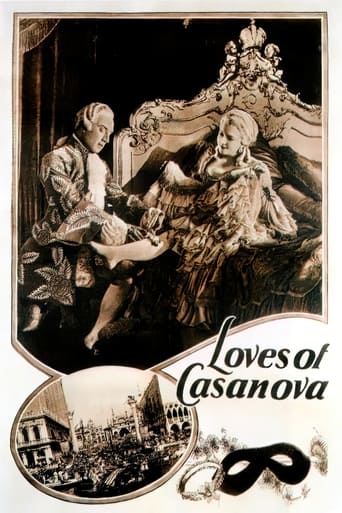
French actor who flourished during the silent film era, primarily working in French cinema from the early 1910s through the late 1920s. He established himself as a reliable character actor in numerous productions, often appearing in historical dramas and adventure films that were popular during the period. His role as Chicot in the 1913 adaptation of 'Chicot the Jester' demonstrated his ability to portray complex historical characters with the dramatic flair required by silent cinema. Throughout his career, Guidé worked with several prominent French directors and production companies of the era, contributing to the burgeoning French film industry. His appearance in 'Loves of Casanova' in 1927 marked one of his later significant roles as the silent era was drawing to a close. Like many actors of his generation, the transition to sound films in the late 1920s may have impacted his career trajectory, as his filmography appears to end around this period. Guidé's work represents the typical journey of a journeyman actor in early European cinema, contributing to numerous productions that helped establish the foundation of cinematic storytelling.
The Craft
On Screen
As a silent film actor, Paul Guidé employed the exaggerated gestures and facial expressions characteristic of the era, using physical theater techniques to convey emotion and narrative without dialogue. His performances in historical dramas suggest he was skilled at portraying period characters with appropriate gravitas and theatrical presence.
Milestones
- Portrayal of Chicot in 'Chicot the Jester' (1913)
- Role in 'Loves of Casanova' (1927)
- Extensive work in French silent cinema
- Contributions to historical drama genre in early French film
Best Known For
Iconic Roles
Must-See Films
Why They Matter
Impact on Culture
Paul Guidé represents the countless actors who formed the backbone of early European cinema during its formative years. While not achieving the status of stars like Charlie Chaplin or Max Linder, actors like Guidé were essential to the production of the numerous films that populated theaters in the 1910s and 1920s. His work in historical adaptations contributed to the popularization of literary and historical subjects in early French cinema, helping establish genre conventions that would influence filmmakers for decades.
Lasting Legacy
Paul Guidé's legacy lies in his contribution to the French silent cinema. His performances, preserved in films like 'Chicot the Jester' and 'Loves of Casanova,' serve as valuable artifacts for film historians and enthusiasts studying the evolution of acting techniques and cinematic storytelling. While individual details of his career may be lost to time, his body of work represents the collective effort of the generation of actors who pioneered the art of film performance.
Who They Inspired
As a character actor in the silent era, Paul Guidé likely influenced younger actors through his work on set, though specific instances of mentorship are not documented. His approach to historical character portrayal would have contributed to the developing language of film acting in French cinema during its crucial developmental period.
Off Screen
Very limited information is available about Paul Guidé's personal life, which was common for many supporting actors of the silent era who did not achieve major star status. Like many actors of his generation, his life story remains largely undocumented in mainstream film history.
Did You Know?
- Paul Guidé's active years covered the height of the silent film era in France
- His role in 'Chicot the Jester' (1913) was based on a character from Alexandre Dumas's novel
- Like many silent era actors, his career appears to have ended with the transition to sound films
- His filmography represents the typical output of a working actor in early 20th century European cinema
- The preservation status of many of his films may be uncertain, as was common with early cinema
- His work in historical dramas reflects the popularity of literary adaptations in early French cinema
Frequently Asked Questions
Who was Paul Guidé?
French with credits in this catalog. He was known for his roles in historical dramas and adventure films, including 'Chicot the Jester' (1913) and 'Loves of Casanova' (1927).
What films is Paul Guidé best known for?
Titles linked here include Chicot the Jester (1913), Loves of Casanova (1927).
When was Paul Guidé active in cinema?
Paul Guidé was active in cinema during the silent film era, with his known filmography spanning from 1913 to 1927. His career appears to have concluded around the time of the transition to sound films in the late 1920s.
What was Paul Guidé's acting style?
As a silent film actor, Paul Guidé employed the dramatic physical acting style typical of the era, using exaggerated gestures and facial expressions to convey emotion and narrative. His work in historical dramas suggests he was skilled at portraying period characters with theatrical presence.
What is Paul Guidé's legacy in film history?
Paul Guidé's legacy lies in his contribution to French silent cinema as a character actor who helped bring historical and literary adaptations to life. While not a major star, he represents the generation of working actors who formed the foundation of early European cinema.