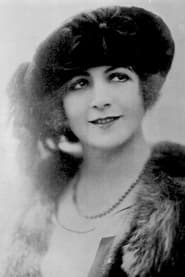
Suzanne Bianchetti
Actor
Born: February 24, 1889 in Paris, France Died: October 17, 1936 Active: 1917-1936 Birth Name: Suzanne Charlotte Bianchetti
Films
2 films
About Suzanne Bianchetti
Suzanne Bianchetti was French actresses of the silent era, renowned for her ethereal beauty and remarkable dramatic talent. Born into a middle-class Parisian family, she began her career on the stage before transitioning to cinema around 1917. Throughout the 1920s, she became one of France's most bankable stars, appearing in over 30 films and working with the country's most prestigious directors. Her performance in 'L'Inhumaine' (1924) showcased her ability to embody both modern and classical sensibilities, making her a symbol of French cinema's artistic ambitions. Bianchetti's career was characterized by her versatility, equally adept at tragedy, comedy, and romantic drama. Her premature death at age 46 cut short a career that was still ascending, but her legacy endured through the establishment of the Prix Suzanne Bianchetti, which continues to honor promising young French actresses. She represented the epitome of French elegance and artistic refinement during the golden age of silent cinema.
The Craft
On Screen
Bianchetti was known for her subtle, expressive acting style that embodied French theatrical traditions while embracing cinematic naturalism. Her performances were characterized by graceful movement, delicate facial expressions, and an ability to convey complex emotions through minimal gestures. She possessed a luminous screen presence that combined aristocratic elegance with emotional accessibility, making her particularly effective in romantic and dramatic roles. Her technique emphasized psychological realism over melodramatic excess, setting her apart from many of her contemporaries.
Milestones
- Stage debut at Comédie-Française (1913)
- Film debut in 'Le Mystère de la villa rouge' (1917)
- Breakthrough role in 'L'Inhumaine' (1924)
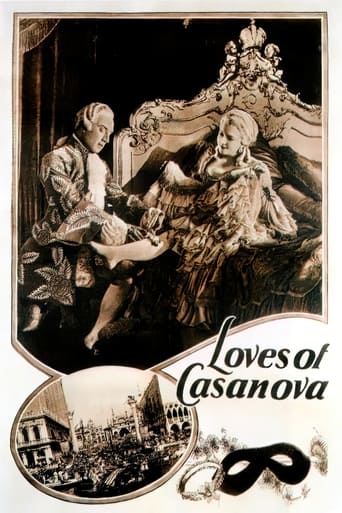
- Starred in 'Loves of Casanova' (1927)
- Prix Suzanne Bianchetti established in her honor (1937)
Best Known For
Iconic Roles
Must-See Films
Accolades
Won
- Officer of the Legion of Honour (1934, posthumous recognition)
Nominated
- No formal nominations during her era, but received critical acclaim throughout her career
Special Recognition
- Prix Suzanne Bianchetti established in her memory (1937)
- Officer of the Legion of Honour (1934)
- Inducted into French cinema hall of fame
- Multiple film retrospectives dedicated to her work
Working Relationships
Worked Often With
Studios
Why They Matter
Impact on Culture
Suzanne Bianchetti represented the pinnacle of French cinematic artistry during the silent era, embodying the nation's cultural values of elegance, intellect, and artistic refinement. Her success helped establish French cinema as a serious artistic medium capable of competing with international productions. Bianchetti's performances in literary adaptations contributed to the legitimization of cinema as an art form worthy of serious cultural consideration. Her image became synonymous with French femininity and sophistication, influencing fashion and beauty standards of the 1920s. The establishment of the Prix Suzanne Bianchetti in her honor created a lasting institution that continues to shape French cinema by recognizing and nurturing new talent.
Lasting Legacy
Suzanne Bianchetti's legacy endures primarily through the prestigious Prix Suzanne Bianchetti, awarded annually since 1937 to France's most promising young actress. This award has honored generations of French cinema's finest talents, including Michèle Morgan, Simone Signoret, Jeanne Moreau, and Isabelle Adjani. Her films remain important examples of French silent cinema's artistic achievements and are frequently studied by film historians. Bianchetti's approach to acting influenced subsequent generations of French actors, particularly in the integration of theatrical technique with cinematic naturalism. Her tragic early death has contributed to her mythic status in French cultural memory, representing both the golden age of silent cinema and the fragility of artistic genius.
Who They Inspired
Bianchetti's influence on French cinema extends beyond her performances to her impact on acting methodology and the recognition of female talent in film. Her subtle, psychologically nuanced approach to performance helped bridge the gap between theatrical acting and cinematic naturalism, influencing the evolution of film acting techniques in France. Through the award bearing her name, she has indirectly shaped the careers of countless French actresses who have received this recognition. Her success in both commercial and artistic films demonstrated that actresses could maintain artistic integrity while achieving popular success, providing a model for subsequent generations. Her collaboration with avant-garde directors like L'Herbier helped legitimize experimental cinema in France.
Off Screen
Suzanne Bianchetti married René Jeanne, a prominent film critic, writer, and actor, in 1920. Their marriage was both romantic and professional, with Jeanne being one of her strongest supporters and later dedicating himself to preserving her legacy. The couple had one daughter, Anne-Marie, born in 1921. Bianchetti was known for her refined taste in arts and literature, maintaining a salon that attracted many of Paris's cultural elite. Her health began to decline in the mid-1930s, and she died of illness at the height of her fame, leaving the French film community in mourning.
Education
Educated at prestigious Parisian institutions, studied at Conservatoire de Paris for dramatic arts
Family
- René Jeanne (1920-1936, until her death)
Did You Know?
- The Prix Suzanne Bianchetti award was established by her husband René Jeanne just one year after her death
- She was one of the first French actresses to successfully transition from legitimate theater to cinema
- Her performance in 'L'Inhumaine' featured elaborate Art Deco sets designed by modernist architects
- She was known for refusing roles that she felt were beneath her artistic standards
- Bianchetti was fluent in multiple languages, which helped her international appeal
- She maintained a popular Parisian salon that was frequented by artists, writers, and filmmakers
- Her death at age 46 was considered a national tragedy in France
- Many of her films have been lost, making surviving examples particularly valuable to film historians
- She was known for her distinctive fashion sense, influencing French women's style in the 1920s
- Despite her fame, she remained grounded and was known for her generosity to fellow actors
In Their Own Words
Cinema is not merely entertainment; it is the poetry of our time, and we must treat it with the reverence it deserves.
An actress must be both mirror and lamp - reflecting reality while illuminating truth.
The greatest art is that which makes the invisible visible, and cinema alone possesses this magic.
Frequently Asked Questions
Who was Suzanne Bianchetti?
Suzanne Bianchetti was one of France's most celebrated silent film actresses of the 1920s, known for her beauty, talent, and artistic integrity. She appeared in over 30 films and was considered a symbol of French cinematic excellence until her premature death in 1936.
What films is Suzanne Bianchetti best known for?
Titles linked here include L'Inhumaine (1924), Loves of Casanova (1927).
When was Suzanne Bianchetti born and when did she die?
Born February 24, 1889; died October 17, 1936.
What awards did Suzanne Bianchetti win?
During her lifetime, she received the Officer of the Legion of Honour in 1934. Most significantly, the Prix Suzanne Bianchetti was established in her honor in 1937, which has become one of France's most prestigious acting awards.
What was Suzanne Bianchetti's acting style?
Bianchetti was known for her subtle, expressive acting style that combined French theatrical traditions with cinematic naturalism. Her performances featured graceful movement, delicate facial expressions, and psychological realism rather than melodramatic excess.
What is the Prix Suzanne Bianchetti?
The Prix Suzanne Bianchetti is an annual award established in 1937 by her husband René Jeanne to honor France's most promising young actress. It has become.