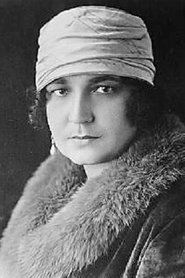
Nina Koshetz
Actor
Born: December 30, 1891 in Kiev, Russian Empire (now Ukraine) Died: May 23, 1965 Active: 1927-1946 Birth Name: Nina Medeyevna Koshetz
Films
2 films
About Nina Koshetz
Russian-born actress and singer who successfully transitioned from silent films to sound pictures during Hollywood's Golden Age. Born into a musical family as the daughter of renowned opera singer Medea Mei-Figner, she brought a sophisticated European sensibility to her film roles. Her career began in the late 1920s with appearances in silent films like 'Loves of Casanova' (1927), where she often portrayed exotic or sophisticated characters that capitalized on her Russian heritage. Throughout the 1930s and 1940s, she continued working steadily in Hollywood, appearing in supporting roles that showcased her distinctive accent and aristocratic bearing. Her marriage to director William A. Seiter provided her with additional industry connections and opportunities. Despite never achieving leading lady status, she maintained a consistent career spanning nearly two decades, appearing in over twenty films. Her final notable film appearance was in 'The Chase' (1946), after which she gradually reduced her screen work. Koshetz's legacy represents the many European actors who found success in Hollywood by leveraging their continental sophistication and cultural backgrounds.
The Craft
On Screen
Known for her sophisticated, aristocratic presence and distinctive Russian accent, Koshetz specialized in playing exotic or upper-class characters. Her acting style reflected her classical European upbringing, bringing an air of refinement and mystery to her roles. She often portrayed femme fatales or mysterious foreign women, using her natural elegance and musical background to enhance her performances.
Milestones
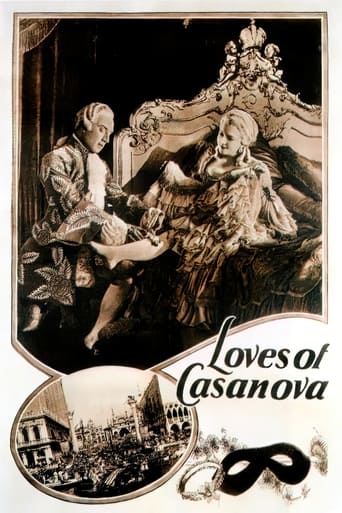
- Film debut in 'Loves of Casanova' (1927)
- Marriage to director William A. Seiter (1930)
- Transition from silent to sound films
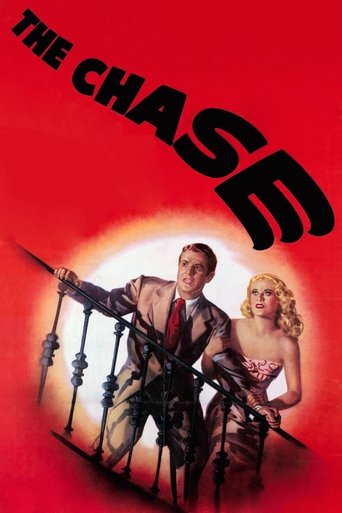
- Notable role in 'The Chase' (1946)
- Over 20 film appearances during her career
Best Known For
Iconic Roles
Must-See Films
Working Relationships
Worked Often With
Studios
Why They Matter
Impact on Culture
Nina Koshetz represented the wave of European talent that enriched Hollywood cinema during the Golden Age. As a Russian émigré actress, she contributed to the exoticism and sophistication that Hollywood sought in its character actors. Her presence in films helped create authentic international atmospheres in productions set abroad or featuring foreign characters. She exemplified how many European performers successfully adapted their classical training to the demands of American cinema.
Lasting Legacy
Though not a major star, Nina Koshetz's career exemplifies the journey of many European actors in Hollywood's Golden Age. Her filmography provides valuable insight into the types of roles available to foreign-born actresses during this period. As the daughter of opera legend Medea Mei-Figner, she also represents the transmission of artistic talent across generations and continents. Her work remains of interest to scholars studying the internationalization of Hollywood cinema and the contributions of Russian émigrés to American film culture.
Who They Inspired
Koshetz influenced the archetype of the mysterious European woman in American cinema, helping establish conventions that would be followed by other foreign-born actresses. Her successful transition from silent to sound films demonstrated how actors with distinctive accents could find steady work in character roles. Her career path showed how personal connections in Hollywood could sustain a moderate-level career over many years.
Off Screen
Nina Koshetz was born into a prominent musical family, with her mother Medea Mei-Figner being. This musical upbringing profoundly influenced her career path and artistic sensibilities. She married Hollywood director William A. Seiter in 1930, which provided her with significant industry connections. The couple had one son together before their divorce. Her personal life reflected the immigrant experience of many European artists who found new opportunities in America while maintaining their cultural heritage.
Education
Classical musical training influenced by her opera singer mother Medea Mei-Figner; likely received education in Russia before emigrating to the United States
Family
- William A. Seiter (1930-1934)
Did You Know?
- Daughter of legendary Russian opera singer Medea Mei-Figner
- Born in Kiev during the Russian Empire, now part of Ukraine
- Married director William A. Seiter, directing films like 'Roberta' and 'Sullivan's Travels'
- Her mother performed at the Metropolitan Opera in New York
- Spoke multiple languages fluently, which helped her secure diverse roles
- Appeared in both silent and sound films, successfully making the transition
- Often cast as exotic or mysterious women due to her Russian heritage
- Worked steadily through the Great Depression, maintaining consistent employment
- Her final film appearance came nearly 20 years after her debut
- Part of the large community of Russian émigrés in Hollywood during the 1920s-40s
Frequently Asked Questions
Who was Nina Koshetz?
Russian-born actress and singer who worked in Hollywood films from the silent era through the 1940s. She was the daughter of famous opera singer Medea Mei-Figner and appeared in over 20 films, often playing exotic or sophisticated characters.
What films is Nina Koshetz best known for?
Titles linked here include Loves of Casanova (1927), The Chase (1946).
When was Nina Koshetz born and when did she die?
Born December 30, 1891; died May 23, 1965.
What awards did Nina Koshetz win?
There are no recorded major awards or nominations for Nina Koshetz during her career. She was primarily a character actress who worked steadily in supporting roles rather than a leading lady who typically received major recognition.
What was Nina Koshetz's acting style?
Koshetz was known for her sophisticated, aristocratic presence and distinctive Russian accent, often playing exotic or upper-class characters. She brought European refinement to her roles, frequently portraying mysterious foreign women or femme fatales with elegance and grace.
Was Nina Koshetz married?
Yes, she was married to Hollywood director William A. Seiter from 1930 to 1934. Seiter was a prominent director who worked on films like 'Roberta' and 'Sullivan's Travels', and they had one son together.
How was Nina Koshetz related to opera?
Nina Koshetz was the daughter of Medea Mei-Figner,. Her mother performed at major venues including the Metropolitan Opera, and this musical background influenced Nina's artistic development and career.