Glory to Us, Death to the Enemy
"This 1914 drama set in the WWI-era relates a heroic"
Keys: Space play/pause · ←/→ 10s · F fullscreen · M mute · </> speed
About this film
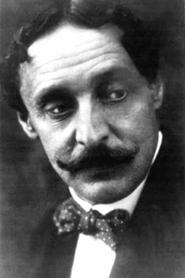
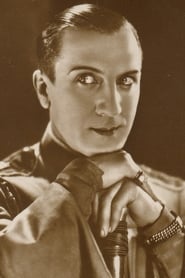
This 1914 drama set in the WWI-era relates a heroic act carried out by a war nurse for the Red Cross (Dora Tschitorina) who has witnessed the death of her husband (Ivan Mosjoukine).
Cast & crew
More films like this
More Drama films
View all →







More from Yevgeni Bauer
View all →
More about this film
About the production
Release dateOctober 1914
ProductionKhanzhonkov Company
Filmed inMoscow, Russia
Filmed during the early months of World War I, this production was one of the first Russian films to directly address the ongoing conflict. The Khanzhonkov Company, one of Russia's leading film studios of the era, invested significant resources in creating realistic battlefield sequences and hospital scenes. The production faced challenges due to wartime restrictions on filming and the mobilization of many male crew members into military service.
Themes
Patriotic sacrificeThe transformation of grief into heroic actionThe role of women in wartimeThe human cost of warRedemptive self-sacrifice
Themes & topics
World War IRed Cross nurseBattlefieldHeroic sacrificeWartime romancePatriotismDeath of loved oneMedical dramaBehind enemy linesSelf-sacrifice
Historical background
Produced Glory to Us, Death to the Enemy reflects Khanzhonkov Company's release strategy for Russian Empire markets at a moment when cinema technology and taste were shifting quickly.
Why this film matters
Programmers and historians revisit Glory to Us, Death to the Enemy (1914) because its story—this 1914 drama set in the wwi-era relates a heroic act carried out by a war nurse for the red cross (dora tschitorina) who has witnessed the death of her husband (ivan mosjoukine)—illustrates popular narrative habits and production norms of the period.
Making of
The production of 'Glory to Us, Death to the Enemy' took place under extraordinary circumstances, as Russia had just entered World War I. Director Yevgeni Bauer, known for his meticulous attention to visual detail, worked closely with military consultants to ensure authenticity in the battlefield sequences. The casting of Ivan Mosjoukine, despite his limited screen time due to his character's early death, was a strategic move to attract audiences, as he was the most popular male star in Russian cinema at the time. Dora Tschitorina underwent extensive training with actual Red Cross nurses to prepare for her role, learning period medical procedures and proper bedside manner. the picture's most challenging sequence involved a simulated battlefield explosion, which required innovative special effects techniques for the time, including multiple camera setups and carefully timed pyrotechnics. The production team faced daily challenges due to wartime shortages, particularly in obtaining film stock and lighting equipment.
What critics said
English-language trade reviews of Glory to Us, Death to the Enemy are limited for 1914. Where notices survive, they stress pacing and photographic clarity; later criticism values the title as archival evidence of studio style.
Did you know?
- This was one of the earliest films to depict World War I while the conflict was still ongoing, making it a contemporary war film rather than a historical piece.
- Director Yevgeni Bauer was known for his sophisticated use of lighting and composition, techniques that were revolutionary for 1914 cinema.
- Ivan Mosjoukine, despite playing a character who dies early in the picture, was one of Russia's biggest film stars of the 1910s.
- the picture's title 'Glory to Us, Death to the Enemy' reflects the patriotic fervor that swept Russia at the beginning of WWI.
- The Red Cross gave official approval for the production, allowing the filmmakers to use authentic medical equipment and uniforms.
- Dora Tschitorina was a relatively new actress when cast in this leading role, but her performance established her as a serious dramatic talent.
- The battlefield sequences were filmed on the outskirts of Moscow, with local soldiers serving as extras during their leave from the front.
- was part of a wave of patriotic cinema produced by Russian studios after the outbreak of WWI.
- the picture's success led to several similar productions featuring nurses as heroic protagonists.
- Only fragments of are known to survive today, making it a partially lost film.
Awards & recognition
- None documented - awards ceremonies were not established in Russian cinema during this period
Visual style
Yevgeni Bauer employed sophisticated cinematographic techniques that were advanced for 1914, including dramatic use of chiaroscuro lighting to enhance emotional scenes. the picture featured innovative camera movements, including tracking shots during the battlefield sequences that created a sense of immediacy and chaos. Bauer utilized deep focus composition to layer visual information, particularly in hospital scenes where foreground and background actions conveyed multiple narrative threads simultaneously. The cinematography also made effective use of natural lighting, especially in outdoor sequences, creating a documentary-like authenticity that distinguished it from more theatrical contemporary productions.
Innovations
the picture pioneered several technical innovations for its time, including sophisticated matte painting techniques to create the illusion of expansive battlefields. The production developed new methods for simulating battle effects, including controlled explosions and smoke effects that appeared more realistic than previous cinema attempts. Bauer's use of multiple camera angles and dynamic editing in action sequences was ahead of its time, creating a more immersive viewing experience. the picture also featured innovative makeup effects for depicting war wounds and injuries, achieved through collaboration with theater makeup artists who adapted their techniques for the camera.
Music
As a silent film, 'Glory to Us, Death to the Enemy' would have been accompanied by live musical performance during theatrical screenings. The typical score would have included popular patriotic songs of the period, classical pieces, and specially composed mood music. The emotional climax scenes likely featured dramatic piano or organ accompaniment to enhance the tragic elements. Some larger theaters may have employed small orchestras for screenings, particularly in Moscow and St. Petersburg where the picture premiered. The musical choices would have reflected the picture's patriotic themes and emotional trajectory.
Famous quotes
'My love for him did not die with him - it became my strength to save others.' - Elena
'In death, he lives through our victory.' - Captain Andrei
'Every life I save is a victory against our enemies.' - Elena
'Glory to those who give everything for their country.' - Final title card
Memorable scenes
- The emotional battlefield death scene where Captain Andrei dies in Elena's arms, featuring innovative close-up photography for the period. The climactic sequence where Elena risks her life to save trapped soldiers in a bombed building, utilizing dramatic lighting and rapid editing. The opening montage showing the mobilization of Russian troops, incorporating actual newsreel footage for authenticity. The hospital ward sequence where Elena transforms from grieving widow to determined heroine, marked by subtle changes in lighting and camera angles.
What audiences thought
the picture was highly successful with Russian audiences in 1914, capitalizing on the wave of patriotic sentiment following Russia's entry into WWI. Contemporary reports indicate that audiences were deeply moved by the nurse's sacrifice, with many screenings resulting in emotional responses from viewers. the picture's success at the box office demonstrated the commercial viability of contemporary war-themed productions, encouraging other Russian studios to produce similar content. Audience letters published in film journals of the time praised the picture's realism and emotional impact, with many viewers relating personally to the wartime sacrifices depicted on screen.
Film connections
Influenced by
- Contemporary war literature and poetry
- Realist theater traditions
- Earlier Russian historical epics
- Contemporary newsreel footage of WWI
- Classical tragic drama structure
This film influenced
- Subsequent Russian war films of the 1910s
- Later Soviet war cinema
- International nurse-heroine films of the silent era
- WWI propaganda films from other countries
Film restoration
the picture is considered partially lost, with only fragments and selected scenes surviving in various archives. Some footage exists in the Gosfilmofond archive in Russia, while additional fragments are held at the British Film Institute. The surviving portions total approximately 15-20 minutes of the original 45-minute runtime. Restoration efforts have been ongoing, but the complete film is considered lost, making it one of many casualties of early Russian cinema's preservation challenges.
Where to watch
- Due to its partially lost status, complete viewing is not possible. Surviving fragments are occasionally screened at silent film festivals and special cinema history events. Some clips may be available through specialized film archives like Gosfilmofond (Russia) or the British Film Institute. Academic institutions with film studies programs sometimes have access to the surviving footage for research purposes. No commercial home video or streaming releases exist due to the incomplete nature of the surviving material.