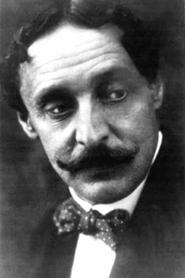
Yevgeni Bauer
Director
Born: January 22, 1865 in Moscow, Russian Empire Died: June 22, 1917 Active: 1913-1917 Birth Name: Yevgeni Franzovich Bauer
Films
12 films
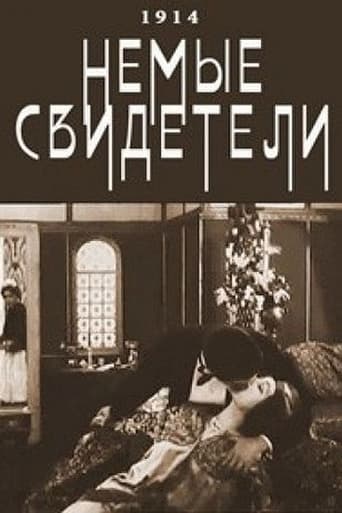
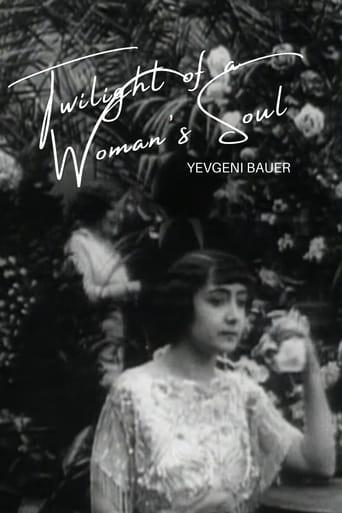
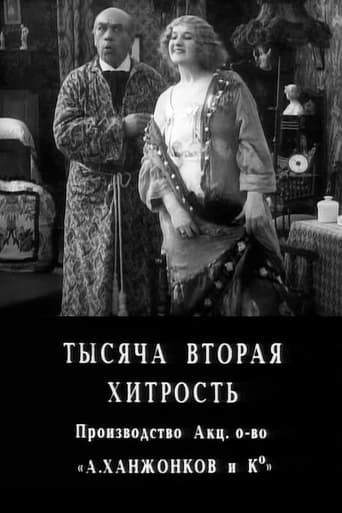
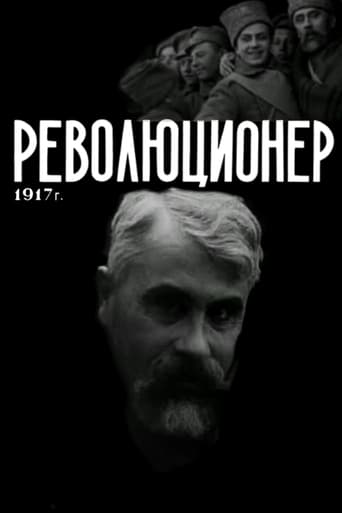
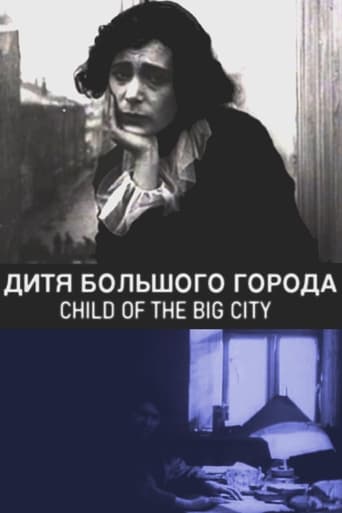
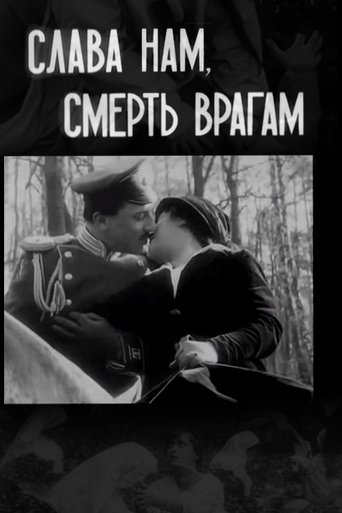
About Yevgeni Bauer
Yevgeni Franzovich Bauer — Russian film director during the silent era, the most innovative and sophisticated filmmakers of early 20th century cinema. Working primarily for the Khanzhonkov film company, Bauer directed over 80 films in just four years, creating a remarkable body of work that was decades ahead of its time. His films were by their psychological depth, complex narratives, and revolutionary visual techniques including elaborate camera movements, deep focus, and sophisticated lighting effects. Bauer explored themes of morality, psychology, and social commentary in ways that were unprecedented in early cinema, creating character studies that delved into the human psyche with remarkable sensitivity. His career was tragically cut short when he died of pneumonia in June 1917 at the age of 52, just as the Russian Revolution was beginning to transform the cultural landscape. Despite his brief career, Bauer's influence on cinema was profound, with many of his techniques and narrative approaches prefiguring developments that would only become common in cinema decades later. His films were considered lost for many years but have been gradually rediscovered and restored, revealing the extraordinary talent of this forgotten master of early cinema.
The Craft
Behind the Camera
Bauer's directing style was remarkably sophisticated and innovative for its time, characterized by psychological realism, complex narrative structures, and revolutionary visual techniques. He employed elaborate camera movements including tracking shots, crane movements, and dynamic angles that were decades ahead of contemporary cinema. His use of lighting was particularly masterful, creating mood and psychological depth through chiaroscuro effects and carefully composed shadows. Bauer often explored themes of duality, morality, and the human psyche, creating films that were both visually stunning and intellectually challenging. His approach to storytelling was nonlinear and symbolic, using visual metaphors and psychological subtext to convey complex emotional states. Unlike many of his contemporaries, Bauer focused on character psychology and interiority, creating some of the first truly psychological films in cinema history.
Milestones
- Directed over 80 films in just 4 years (1913-1917)
- Created 'Twilight of a Woman's Soul' (1913), considered a masterpiece of early cinema
- Pioneered sophisticated camera techniques and movement
- Developed psychological depth in character development
- Elevated Russian cinema to international artistic standards
- Influenced subsequent generations of Soviet filmmakers
Best Known For
Must-See Films
Accolades
Special Recognition
- Posthumously recognized as one of the greatest directors of early Russian cinema
- Films preserved and restored by international film archives
- Retrospectives at major film festivals including Cannes and Venice
Working Relationships
Worked Often With
Studios
Why They Matter
Impact on Culture
Yevgeni Bauer's cultural impact on cinema was profound despite his brief career, as he essentially invented many cinematic techniques that would only become standard decades later. His films demonstrated that cinema could be a sophisticated art form capable of exploring complex psychological themes and social issues, elevating the medium beyond mere entertainment. Bauer's work helped establish Russian cinema as a major artistic force in the pre-revolutionary period, proving that Russian filmmakers could create works of international artistic significance. His innovative use of camera movement, lighting, and psychological narrative influenced generations of filmmakers worldwide, even though many of his specific techniques were independently rediscovered by others due to the loss of his films. Bauer's rediscovery in the late 20th century forced film historians to revise their understanding of early cinema development, recognizing that many techniques attributed to later filmmakers had actually been pioneered by Bauer years earlier.
Lasting Legacy
Bauer's legacy is that of a visionary genius who was decades ahead of his time, creating films that were technically and artistically superior to most contemporary cinema. His influence on Soviet cinema was indirect but significant, as the psychological realism and technical innovation he pioneered would become hallmarks of the great Soviet directors who followed. The rediscovery and restoration of his films have revealed him to be one of cinema's earliest auteurs, a director with a distinctive artistic vision and complete mastery of his medium. Today, film scholars recognize Bauer as. His films are now studied in film schools worldwide as examples of early cinematic mastery, and his reputation continues to grow as more of his work becomes available to modern audiences.
Who They Inspired
Bauer's influence on cinema was both direct and indirect, shaping the development of film language through his innovative techniques and psychological approach to storytelling. His use of camera movement and complex lighting influenced the visual style of German Expressionism and Soviet montage cinema, even though many of his specific techniques were independently rediscovered. Directors like F.W. Murnau, Carl Theodor Dreyer, and later Alfred Hitchcock employed psychological and visual techniques that Bauer had pioneered years earlier. Within Soviet cinema, his emphasis on psychological realism and character development influenced directors like Vsevolod Pudovkin and Mikhail Romm. Contemporary filmmakers continue to be influenced by his work, with directors like Andrei Tarkovsky and Alexander Sokurov citing Bauer as an important influence on their approach to psychological cinema and visual poetry.
Off Screen
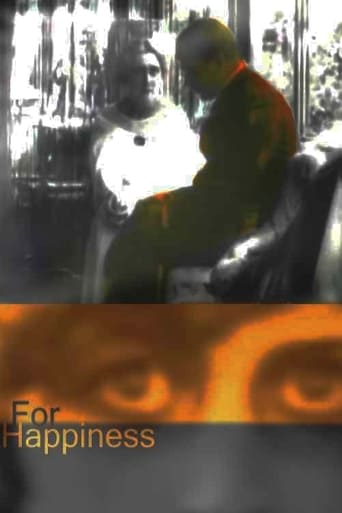
Bauer came from a Bohemian family background - his father was a Czech musician and his mother was an actress. He married actress Antonina M. Pilenko, who often appeared in his films. The couple had no children. Bauer was known as a cultured and intellectual man, fluent in several languages and well-read in literature and philosophy. His personal life was relatively private, but he was respected in artistic circles for his intelligence and artistic vision. Tragically, his life was cut short when he contracted pneumonia while filming 'For Happiness' in Yalta in 1917.
Education
Studied at the Moscow School of Painting, Sculpture and Architecture; initially worked as a landscape painter and theater set designer before transitioning to film
Family
- Antonina M. Pilenko (married 1912-1917)
Did You Know?
- Directed over 80 films in just 4 years, averaging about 20 films per year
- Many of his films were considered lost for decades but have been gradually rediscovered in archives
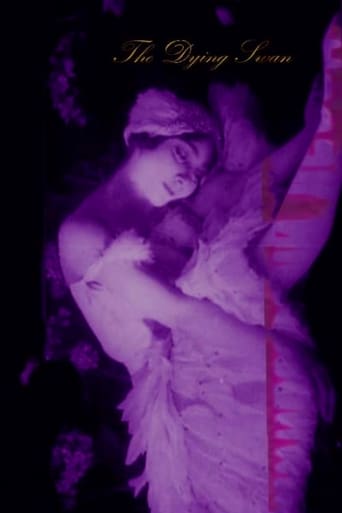
- His film 'The Dying Swan' (1917) was the last film of legendary actress Vera Kholodnaya before her death
- Bauer — skilled painter before entering cinema, which influenced his visual composition
- He was one of the first directors to use tracking shots and complex camera movements
- His films often featured strong female protagonists, unusual for the era
- Bauer died while filming on location in Yalta, cutting short one of cinema's most promising careers
- His real name was Yevgeni Franzovich Bauer, reflecting his Bohemian heritage
- He was fluent in Russian, German, and French, which helped him understand international cinema trends
- Bauer's films were among the first to explore psychological themes in depth, prefiguring film noir
- He worked primarily with the Khanzhonkov company, the most important Russian film studio of the era
In Their Own Words
The camera must not merely observe, it must penetrate the soul of its subject
Cinema is not just a recording device, but a window into the human psyche
Light and shadow are the painter's tools in the art of cinema
Frequently Asked Questions
Who was Yevgeni Bauer?
Russian on YTB.my. He directed over 80 films in just four years and is considered.
What films is Yevgeni Bauer best known for?
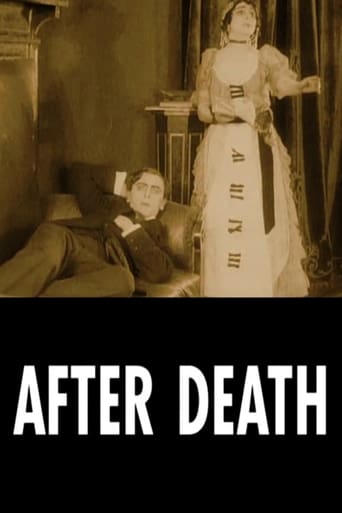
Titles linked here include Twilight of a Woman's Soul (1913), After Death (1915).
When was Yevgeni Bauer born and when did he die?
Born January 22, 1865; died June 22, 1917.
What was Yevgeni Bauer's directing style?
Bauer's directing style was characterized by sophisticated camera movements, innovative lighting techniques, psychological depth, and complex narrative structures. He was decades ahead of his time in using techniques like tracking shots and deep psychological character studies.
How did Yevgeni Bauer influence cinema?
Bauer influenced cinema by many techniques that would become standard decades later, including complex camera movements, sophisticated lighting, and psychological storytelling. His work influenced German Expressionism, Soviet cinema, and directors worldwide.
Why was Yevgeni Bauer's career so short?
Bauer's career was cut short by his untimely death from pneumonia in 1917 at age 52, while filming on location in Yalta. This occurred just as the Russian Revolution was beginning, which would have dramatically changed the film industry anyway.
Are Yevgeni Bauer's films available today?
Many of Bauer's films were considered lost for decades but have been gradually rediscovered and restored by international film archives. Several of his major works are now available on DVD and streaming services, allowing modern audiences to appreciate his genius.