
The Dying Swan
"Swan Lake becomes a portrait of death"
Keys: Space play/pause · ←/→ 10s · F fullscreen · M mute · </> speed
About this film
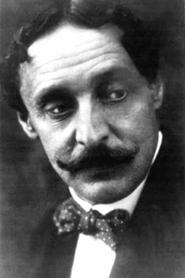
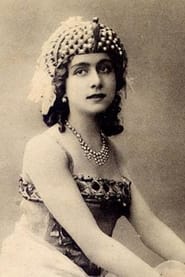
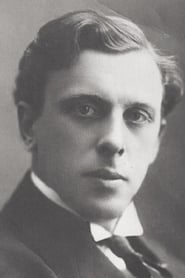
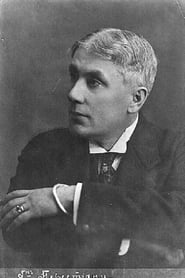
After being betrayed by her playboy lover, a heartbroken mute young woman joins a ballet company; during a performance of “The Dying Swan,” she enraptures a painter obsessed with portraying death genuinely.
Cast & crew
More films like this


More Drama films
View all →






More from Yevgeni Bauer
View all →
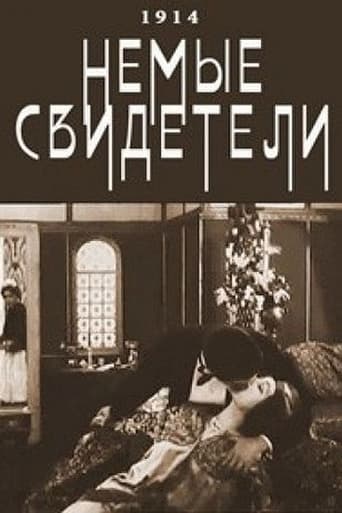
More about this film
About the production
Release date1917
Box officeUnknown
ProductionKhanzhonkov Company
Filmed inMoscow, Russia
The Dying Swan was one of the last films directed by Yevgeni Bauer before his untimely death in 1917. The film was produced during the turbulent period of the Russian Revolution, which significantly impacted the Russian film industry. The ballet sequences were choreographed with great care, featuring authentic dance techniques of the period. The film was shot on location in Moscow studios, utilizing the sophisticated lighting techniques for which Bauer was renowned.
Themes
Artistic obsessionDeath and mortalityBetrayal and heartbreakThe relationship between art and lifeFemale suffering and resilience
Themes & topics
mute protagonistballet dancerbetrayed loverobsessed artistdying swan balletpsychological dramaartistic modelingtragedysilent cinemaRussian revolution era
Historical background
Made in 1917, The Dying Swan reflects production norms of the silent era before feature-length dominance—shorter runtimes, regional audiences, and limited preservation infrastructure.
Why this film matters
Historians reference The Dying Swan (1917) when discussing 1917 Russian film.
Making of
The Dying Swan was filmed during the chaotic period of early 1917, between the February and October Revolutions. Director Yevgeni Bauer, known for his sophisticated visual style and psychological depth, pushed the boundaries of cinematic expression in this film. The production faced numerous challenges due to the political instability, including shortages of film stock and resources. Vera Karalli's dual expertise as both a professional ballerina and actress brought authenticity to the ballet sequences. The film's elaborate sets and lighting design represented the pinnacle of Russian cinematic artistry before the Revolution disrupted the industry. Bauer's death shortly after completion meant he never saw the film's full impact on cinema history.
What critics said
Retrospective notes on The Dying Swan emphasize its value as a silent-era document rather than blockbuster reception.
Did you know?
- Director Yevgeni Bauer died of pneumonia shortly after completing this film in June 1917, making it one of his final works.
- The film was considered lost for decades before being rediscovered and restored in the late 20th century.
- Vera Karalli, who plays Gizella, was a professional ballerina with the Bolshoi Ballet before becoming an actress.
- The ballet sequence 'The Dying Swan' was inspired by the famous choreography by Mikhail Fokine for Anna Pavlova.
- The film was produced by the Khanzhonkov Company, one of Russia's first and most important film studios.
- The Dying Swan is considered one of the masterpieces of early Russian cinema and Bauer's most psychologically complex work.
- The film's themes of artistic obsession and death were particularly relevant given the impending Russian Revolution.
- Only a partial version of the film survives today, with some scenes lost to time.
- The film's visual style influenced many later Russian filmmakers, including Sergei Eisenstein.
- The character of the painter Glinsky was reportedly based on real artists known to Bauer.
Awards & recognition
- None documented from 1917 release period
Visual style
The Dying Swan showcases Yevgeni Bauer's masterful command of cinematic visual language. The film features sophisticated use of lighting to create emotional atmosphere and psychological depth. Bauer employed innovative camera techniques including tracking shots and unusual angles to enhance the narrative. The ballet sequences were filmed with particular care, using lighting and framing to emphasize the dancers' movements and emotional states. The film's visual style combines elements of Symbolism and Art Nouveau, creating a dreamlike, poetic atmosphere. The surviving footage demonstrates Bauer's sophisticated understanding of visual storytelling and his ability to convey complex emotions through cinematic means.
Innovations
The Dying Swan demonstrated several technical innovations for its time. Bauer's sophisticated use of mobile camera movements was particularly advanced for 1917. The film's lighting techniques, including the use of backlighting and shadow to create psychological effects, were ahead of their time. The ballet sequences required careful synchronization of camera movement with dance choreography, presenting significant technical challenges. The film's set design and art direction represented a high level of production sophistication. Bauer's editing techniques, particularly his use of cross-cutting to build psychological tension, were innovative for the period. The film's surviving footage demonstrates the technical sophistication achieved by Russian cinema before the Revolution.
Music
As a silent film, The Dying Swan would have been accompanied by live musical performance during its original theatrical run. The score likely included classical pieces, particularly works by Russian composers such as Tchaikovsky, whose music was frequently used in ballet contexts. The ballet sequences would have featured appropriate dance music, possibly including Saint-Saëns' 'The Dying Swan' from Carnival of the Animals. Modern screenings typically feature newly composed scores or carefully selected classical music appropriate to the film's mood and period. The musical accompaniment would have been crucial to conveying the film's emotional narrative and enhancing the ballet sequences.
Famous quotes
Art must be true to death to be true to life
In dance, I found my voice when words failed me
The swan does not die because it is weak, but because it is beautiful
Every artist must choose between life and art
Silence speaks louder than words when the heart is broken
Memorable scenes
- The ballet sequence where Gizella performs 'The Dying Swan' with haunting emotional intensity
- The moment when Glinsky first sees Gizella dance and becomes obsessed with capturing her essence
- The heartbreaking scene where Gizella is betrayed by her lover Viktor
- The artistic confrontation between Gizella and Glinsky in his studio
- The final tragic scene that brings together themes of art, death, and redemption
What audiences thought
Contemporary audiences in 1917 reportedly responded strongly to the film's emotional intensity and visual beauty. The ballet sequences were particularly popular with theater-goers familiar with Russian ballet traditions. The film's themes of betrayal and redemption resonated with audiences experiencing the social upheaval of the Revolution. Modern audiences viewing the restored version have been struck by the film's sophisticated psychological insights and visual artistry. The film has gained a cult following among silent film enthusiasts and cinema historians. Its limited availability has made screenings at film festivals and archival presentations significant events for classic cinema communities.
Film connections
Influenced by
- Symbolist literature
- Russian ballet tradition
- Psychological drama
- Art Nouveau aesthetics
- Fokine's choreography
- Russian Symbolist painting
This film influenced
- The Last Laugh (1924)
- The Passion of Joan of Arc (1928)
- Ballet Russes documentaries
- The Red Shoes (1948)
- Black Swan (2010)
Film restoration
The Dying Swan is partially preserved with approximately 75% of the original footage surviving. The film was considered lost for decades before fragments were rediscovered in various archives. Restoration efforts have combined footage from Russian and international archives to create the most complete version possible. Some scenes remain lost, particularly from the film's conclusion. The surviving footage has been digitally restored and is preserved at the Gosfilmofond Russian State Archive. The film's partial survival makes it an important but incomplete document of pre-revolutionary Russian cinema.
Where to watch
- Available on DVD/Blu-ray from specialized silent film distributors
- Screenings at film festivals and cinematheques specializing in classic cinema
- Some versions available on streaming platforms dedicated to classic films
- Academic film archives and university collections
- Museum screenings during silent film retrospectives