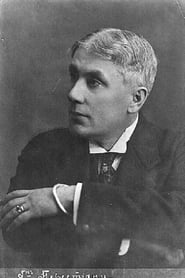
Ivane Perestiani
Actor & Director
Born: April 13, 1888 in Kutaisi, Georgia (Russian Empire) Died: February 25, 1959 Active: 1916-1950s
Films
4 films
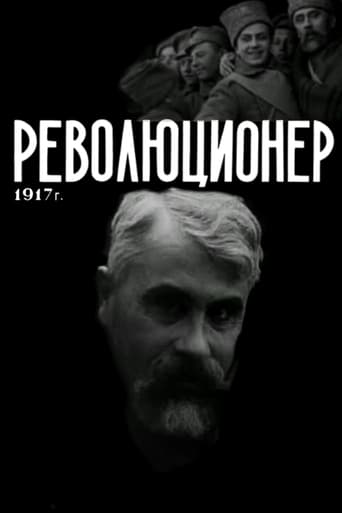
About Ivane Perestiani
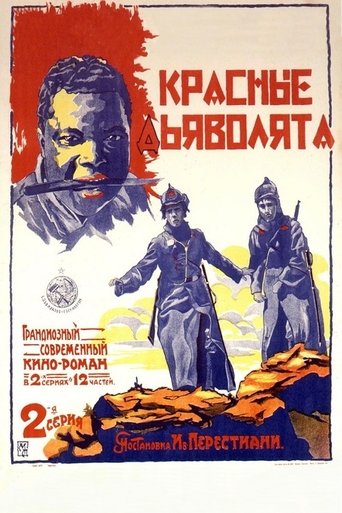
Georgian-Soviet filmmaker who in the development of early cinema in both Georgia and the broader Soviet Union. Born in Kutaisi, Georgia, in 1888, he began his career as an actor during the silent era, appearing in numerous Russian and Georgian films between 1916 and 1923. His transition to directing marked a significant turning point in his career, with his 1923 film 'Red Devils' becoming Soviet adventure films of the silent era. Perestiani was instrumental in establishing the Georgian film industry, working at the Goskinprom of Georgia studio and helping train a generation of Soviet filmmakers. His films often combined elements of adventure, revolutionary themes, and melodrama, reflecting the ideological priorities of early Soviet cinema while maintaining strong entertainment value. Throughout his career, he directed over 20 films and continued working in cinema through the 1930s and 1940s, adapting to the transition from silent to sound films. His contributions to Soviet cinema were recognized with various honors, and he remained an influential figure in Georgian film culture until his death in Moscow in 1959.
The Craft
On Screen
Perestiani's acting style was typical of the silent era, characterized by exaggerated gestures and expressive facial features necessary for non-verbal storytelling. He specialized in dramatic and romantic roles, often portraying characters with strong emotional arcs. His performances in films like 'The Dying Swan' demonstrated his ability to convey complex emotions through physical expression, a crucial skill in silent cinema.
Behind the Camera
As a director, Perestiani was known for his dynamic visual storytelling and ability to combine entertainment value with Soviet ideological messages. He excelled in the adventure genre, creating films with fast-paced narratives, spectacular stunts, and engaging character development. His direction of 'Red Devils' showcased his talent for working with child actors and creating thrilling action sequences while maintaining the film's revolutionary themes. Perestiani's films often featured sweeping landscapes of the Caucasus region, utilizing natural scenery to enhance the epic quality of his stories.
Milestones
- Transitioned from successful silent film actor to influential director
- Directed the landmark Soviet adventure film 'Red Devils' (1923)
- Helped establish the Georgian film industry at Goskinprom of Georgia
- Pioneered the adventure genre in Soviet cinema
- Successfully transitioned from silent to sound film era
- Mentored numerous Soviet and Georgian filmmakers
- Received recognition from Soviet government for cultural contributions
Best Known For
Iconic Roles
Must-See Films
Accolades
Won
- Honored Artist of the Georgian SSR
- Order of the Red Banner of Labour
Nominated
- Soviet State Prize nominations for various films
Special Recognition
- Honored Artist of the RSFSR
- Order of the Badge of Honour
- Multiple jubilee medals for cultural contributions
Working Relationships
Worked Often With
Studios
Why They Matter
Impact on Culture
Ivane Perestiani significantly influenced the development of Soviet cinema, particularly in the adventure genre and in establishing a national film identity for Georgia. His film 'Red Devils' became a template for Soviet adventure films, demonstrating how entertainment could be combined with ideological messaging. Perestiani's work helped legitimize Georgian cinema within the broader Soviet film industry and inspired a generation of Georgian filmmakers to pursue their craft. His films were widely distributed throughout the Soviet Union and helped shape popular perceptions of the revolutionary period and the Caucasus region. The success of his adventure films proved that Soviet cinema could compete with Hollywood productions in terms of spectacle and entertainment value while maintaining ideological purity.
Lasting Legacy
Perestiani's legacy endures through his contributions to both Georgian and Soviet cinema history. He is remembered as a pioneer who helped establish the foundation for Georgia's thriving film industry. His films, particularly 'Red Devils,' remain classics of Soviet cinema and are still studied by film scholars for their innovative approach to the adventure genre. The techniques he developed for working with child actors and creating spectacular action sequences influenced subsequent generations of Soviet filmmakers. Perestiani's ability to navigate the complex political landscape of the Stalin era while maintaining artistic integrity serves as an inspiration to filmmakers working under challenging political conditions. His career trajectory from actor to director also provided a model for other film professionals seeking to expand their creative horizons.
Who They Inspired
Perestiani influenced numerous Soviet and Georgian filmmakers through his work as both a director and mentor. His successful blend of entertainment and ideology in films like 'Red Devils' created a template that many subsequent Soviet directors followed. His techniques for directing children in action sequences were particularly influential and studied by other filmmakers working on youth-oriented films. Perestiani's advocacy for Georgian cinema helped secure resources and recognition for Georgian filmmakers within the Soviet system. His students and collaborators went on to become major figures in Georgian cinema, spreading his artistic philosophy and technical knowledge to future generations. The international success of some of his films also helped demonstrate that Soviet cinema could achieve artistic and commercial success on the global stage.
Off Screen
Ivane Perestiani was married and had children who continued his artistic legacy. His family remained in Georgia after his move to Moscow for film work. He was known as a dedicated family man who balanced his demanding film career with his personal responsibilities. Despite the political pressures of the Stalin era, he managed to maintain his artistic integrity and protect his family from political persecution.
Education
Studied at the Kutaisi Gymnasium, later received training in theater and film through practical experience in early Russian film studios
Family
- Nina Perestiani (married 1910s-1959)
Did You Know?
- 'Red Devils' was
- Perestiani was one of the few filmmakers who successfully transitioned from acting to directing in early Soviet cinema
- He worked with child actors extensively and was known for his ability to elicit natural performances from young performers
- His films often featured spectacular location shooting in the Caucasus mountains
- Perestiani survived the Stalin purges despite being from a relatively privileged background
- He was fluent in Georgian, Russian, and Armenian, which helped him work across different Soviet film industries
- 'Red Devils' was remade multiple times, most famously in 1953, demonstrating the enduring popularity of his original concept
- He was one of the first directors to establish a permanent film studio in Georgia
- Perestiani's films were among the first to present the Caucasus region as a setting for adventure cinema
- He continued working in cinema well into the sound era, adapting his style to new technologies
In Their Own Words
Cinema must educate while it entertains - this is the Soviet way
The mountains of Georgia are our greatest film studio
Working with children requires patience, understanding, and the ability to see the world through their eyes
Every film must serve the people and the revolution
The adventure genre is the perfect vehicle for showing the heroism of our Soviet youth
Frequently Asked Questions
Who was Ivane Perestiani?
Georgian-Soviet filmmaker who worked as both an actor and on YTB.my. He is best known for directing the influential Soviet adventure film 'Red Devils' (1923) and for helping establish the Georgian film industry.
What films is Ivane Perestiani best known for?
Titles linked here include Red Devils (1923), A Life for a Life (1916).
When was Ivane Perestiani born and when did he die?
Born April 13, 1888; died February 25, 1959.
What awards did Ivane Perestiani win?
Perestiani received several honors including the title of Honored Artist of the Georgian SSR, Honored Artist of the RSFSR, the Order of the Red Banner of Labour, and the Order of the Badge of Honour for his contributions to Soviet and Georgian cinema.
What was Ivane Perestiani's directing style?
Perestiani's directing style combined dynamic visual storytelling with Soviet ideological themes, excelling particularly in the adventure genre. He was known for spectacular action sequences, effective use of Caucasus landscapes, and his skill in directing child actors, as demonstrated in 'Red Devils'.