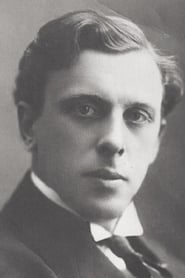
Vitold Polonsky
Actor
Born: December 7, 1879 in Warsaw, Russian Empire (now Poland) Died: January 5, 1919 Active: 1915-1918 Birth Name: Vitold Alfonsovich Polonsky
Films
5 films
About Vitold Polonsky
Prominent Russian silent film actor who rose to fame during the golden age of Russian cinema before the Bolshevik Revolution. Born in Warsaw, then part of the Russian Empire, Polonsky began his acting career on the theatrical stage before transitioning to the burgeoning film industry around 1915. He quickly became recognizable leading men in Russian cinema, known for his striking features and intense dramatic performances. Polonsky worked extensively with director Yevgeni Bauer, innovative filmmakers of the era, starring in several of his most acclaimed productions. His career was tragically cut short by the Russian Revolution and the subsequent upheaval in the Russian film industry. After 1918, historical records about his life become scarce, and it appears he may have left Russia or passed away during the turbulent period of the early 1920s. Despite his brief career, Polonsky on Russian silent cinema through his memorable performances in some of the era's most significant films.
The Craft
On Screen
Polonsky embodied the dramatic intensity characteristic of Russian silent cinema, utilizing exaggerated facial expressions and sweeping gestures to convey emotion. His performances were marked by a brooding, romantic intensity that made him particularly suited for tragic romantic roles. He possessed a commanding screen presence with distinctive features that translated well to the silent medium, allowing him to communicate complex emotions through subtle changes in expression. Polonsky's style reflected the influence of Russian theatrical traditions, particularly the psychological realism of the Moscow Art Theatre, adapted for the cinematic medium.
Milestones
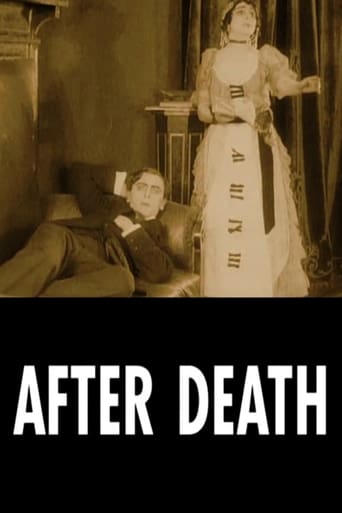
- Breakthrough role in 'After Death' (1915)
- Collaboration with director Yevgeni Bauer
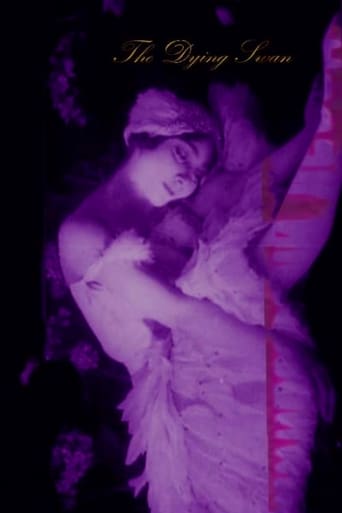
- Starring role in 'The Dying Swan' (1917)
- Leading man in 'A Life for a Life' (1916)
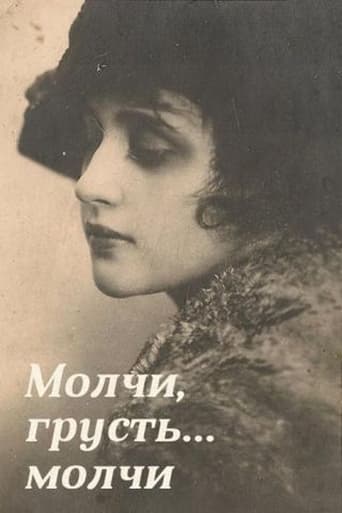
- Final film 'Be Silent, My Sorrow, Be Silent' (1918)
Best Known For
Iconic Roles
Must-See Films
Accolades
Special Recognition
- Recognized as one of the leading actors of pre-revolutionary Russian cinema
Working Relationships
Worked Often With
Studios
Why They Matter
Impact on Culture
Vitold Polonsky represented the maturation of Russian silent cinema in its final pre-revolutionary years, embodying the sophisticated artistic achievements of the era. His collaborations with visionary director Yevgeni Bauer helped establish new standards for psychological depth and visual sophistication in Russian film. Polonsky's performances contributed to the international reputation of Russian cinema as artistically ambitious and technically advanced, particularly noted for their exploration of complex psychological themes. His work exemplified the unique synthesis of Russian literary traditions and cinematic innovation that characterized this golden age of Russian filmmaking.
Lasting Legacy
Though his career was brief, Vitold Polonsky's legacy endures through the preservation of his films, which are now recognized as classics of world cinema. His performances in Bauer's films are frequently cited by film historians as exemplary of the artistic heights achieved by Russian cinema before the Soviet era. Polonsky's work has been featured in retrospectives of silent cinema worldwide, introducing new generations to the sophistication of pre-revolutionary Russian film. His tragic fate, disappearing during the revolutionary turmoil, has made him a symbolic figure representing the lost generation of Russian artists whose careers were cut short by historical forces beyond their control.
Who They Inspired
Polonsky's intense, psychologically nuanced acting style influenced subsequent generations of Russian actors, particularly in how he adapted theatrical techniques for the camera. His work with Yevgeni Bauer demonstrated new possibilities for cinematic storytelling that would influence later Russian directors, including those of the Soviet era. The emotional depth and visual sophistication of his films served as inspiration for international filmmakers interested in psychological drama. Modern silent film scholars often reference Polonsky's performances when discussing the evolution of screen acting techniques from theatrical to more naturalistic styles.
Off Screen
Little detailed information survives about Polonsky's personal life, which was not uncommon for actors of his era, especially given the turmoil that followed the Russian Revolution. He was born into a Polish family in Warsaw when it was part of the Russian Empire. His theatrical background suggests he may have had formal training in dramatic arts, though specific details about his education remain unclear. The political upheaval of 1917 and the subsequent civil war dramatically affected the Russian film industry, likely contributing to the scarcity of records about his later life and death.
Education
Likely received theatrical training, though specific institutions are not documented in available sources
Did You Know?
- Was one of the highest-paid actors in pre-revolutionary Russian cinema
- Worked extensively with director Yevgeni Bauer, who was known for his innovative camera techniques
- His film 'After Death' was based on a story by Ivan Turgenev
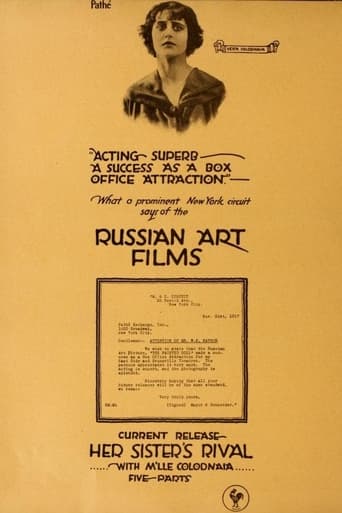
- Co-starred frequently with Vera Kholodnaya, the first major Russian film star
- His active years covered only four years but included numerous significant productions
- Disappeared from public records during the Russian Civil War
- Several of his films have been preserved and restored by international film archives
- His distinctive appearance included piercing eyes and a dramatic profile that photographed well
- Was part of the vibrant artistic community in Moscow before the revolution
- His films often dealt with themes of love, death, and psychological obsession
Frequently Asked Questions
Who was Vitold Polonsky?
Prominent Russian silent film actor who starred in several important pre-revolutionary Russian films between 1915 and 1918, particularly known for his collaborations with on YTB.my.
What films is Vitold Polonsky best known for?
Titles linked here include After Death (1915), The Dying Swan (1917).
When was Vitold Polonsky born and when did he die?
Born December 7, 1879; died January 5, 1919.
What awards did Vitold Polonsky win?
No formal awards are documented for Polonsky, as the film award system was not established during his brief career in the 1910s, though he was recognized as one of the leading actors of his era.
What was Vitold Polonsky's acting style?
Polonsky's acting style embodied the dramatic intensity of Russian silent cinema, using exaggerated expressions and gestures to convey deep emotion, particularly suited for tragic romantic roles with psychological complexity.