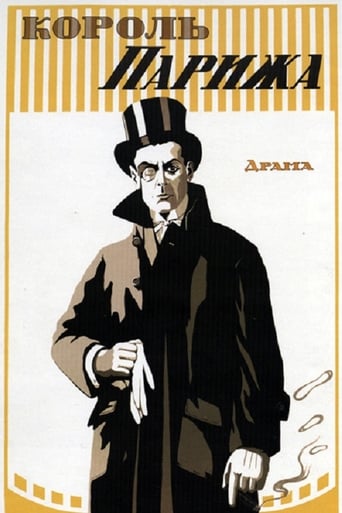
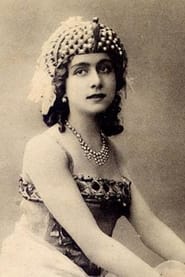
Vera Karalli
Actor
Born: July 31, 1888 in Moscow, Russian Empire Died: November 16, 1972 Active: 1914-1917 (film career), 1906-1920s (ballet career) Birth Name: Vera Alexeyevna Karalli
Films
4 films
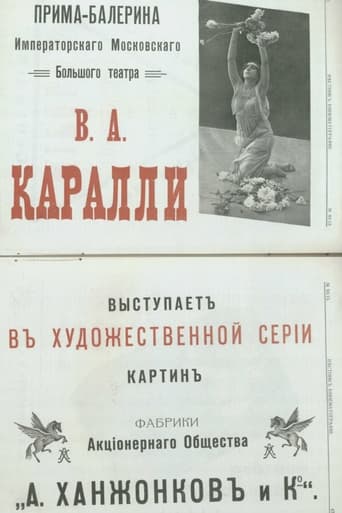
About Vera Karalli
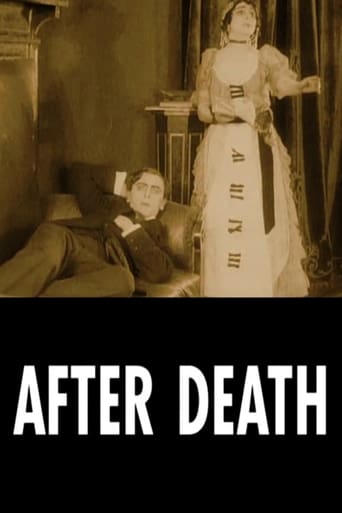
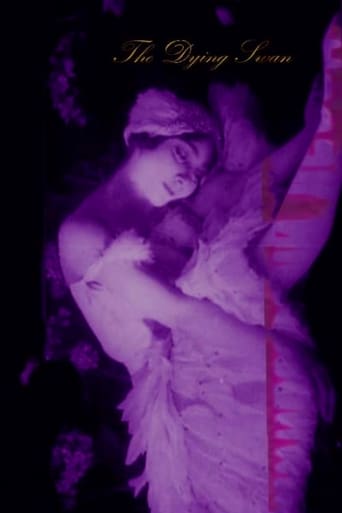
Renowned Russian silent film actress and prima ballerina who emerged as captivating screen performers of early Russian cinema. Born into a prominent Moscow family, she began her artistic career as a ballet dancer, training at the prestigious Imperial Ballet School and eventually becoming a soloist with the Bolshoi Ballet. Her transition to cinema in 1914 marked a significant turning point, as her graceful movements and expressive features made her ideally suited for the silent medium. Karalli collaborated extensively with director Yevgeni Bauer, becoming his muse and starring in many of his most acclaimed works including 'After Death' and 'The Dying Swan'. Her performances were characterized by an ethereal quality and emotional depth that resonated with audiences, making her one of Russia's first true film stars. Following the Bolshevik Revolution in 1917, Karalli emigrated, eventually settling in Romania where she continued teaching ballet and influencing generations of dancers. Her brief but brilliant film career, spanning just four years, on the development of cinematic art in Russia.
The Craft
On Screen
Karalli's acting style was deeply influenced by her ballet background, characterized by fluid, graceful movements and an almost ethereal presence on screen. She utilized her dance training to convey emotions through subtle gestures and body language, creating a unique visual poetry that was particularly effective in silent cinema. Her performances often featured a delicate balance between classical restraint and passionate intensity, allowing her to portray complex emotional states with remarkable subtlety.
Milestones
- Graduated from Imperial Ballet School as prima ballerina
- Became soloist with Bolshoi Ballet
- Starred in Yevgeni Bauer's masterpiece 'After Death' (1915)
- Portrayed the lead in 'The Dying Swan' (1917)
- Emigrated after Russian Revolution and established dance school in Romania
Best Known For
Iconic Roles
Must-See Films
Accolades
Won
- Honored Artist of the RSFSR (posthumous recognition)
Special Recognition
- Featured in Russian Film Encyclopedia as actress
- Recognized as one of the first Russian film stars
- Honored at Russian silent film retrospectives
Working Relationships
Worked Often With
Studios
Why They Matter
Impact on Culture
Vera Karalli played a crucial role in establishing the artistic legitimacy of Russian cinema during its formative years. Her background in classical ballet helped elevate the aesthetic standards of early Russian films, demonstrating how dance and movement could enhance cinematic storytelling. As one of the first Russian actresses to achieve true stardom, she helped create the template for film celebrity in Russia, influencing how performers would be perceived by audiences. Her collaborations with director Yevgeni Bauer produced some of the most artistically sophisticated films of the silent era, contributing to Russia's reputation as a center of cinematic innovation during the 1910s.
Lasting Legacy
Vera Karalli's legacy endures through her contributions to both ballet and early cinema, representing a rare bridge between classical performing arts and emerging film technology. Her performances in Bauer's films are studied by film scholars as examples of how silent cinema could achieve profound emotional depth without dialogue. As a teacher in exile, she preserved and transmitted Russian ballet techniques to new generations, ensuring cultural continuity despite political upheaval. Her films, though few, remain essential viewing for understanding the artistic ambitions of pre-revolutionary Russian cinema and continue to be featured in international retrospectives of silent film.
Who They Inspired
Karalli influenced subsequent generations of Russian actresses by demonstrating how classical training could enhance film performance, particularly in the silent era where physical expression was paramount. Her work with Bauer helped establish new possibilities for cinematic storytelling through movement and gesture, techniques that would be adopted by later directors and actors. As one of the few women to achieve both ballet and film stardom, she paved the way for future performers to cross between different artistic mediums. Her teaching career in Romania also extended her influence beyond Russia, contributing to the international spread of Russian ballet techniques.
Off Screen
Vera Karalli was born into a wealthy and cultured Moscow family that encouraged her artistic pursuits from an early age. She married fellow ballet dancer Mikhail Mordkin, though the marriage ended in divorce. After emigrating following the Russian Revolution, she eventually settled in Romania where she remarried and established herself as a respected ballet teacher. Her later years were dedicated to preserving classical dance techniques and mentoring young dancers, ensuring the continuation of Russian ballet traditions abroad.
Education
Imperial Ballet School, Moscow (graduated 1906)
Family
- Mikhail Mordkin (1910-1915)
- Victor D. Castellano (1920s-1972)
Did You Know?
- Was one of the first Russian actresses to achieve international recognition
- Her ballet background made her uniquely suited for the physical demands of silent film acting
- Worked with director Yevgeni Bauer on seven films, becoming his preferred leading lady
- Her performance in 'The Dying Swan' was directly inspired by Anna Pavlova's famous ballet
- Fled Russia after the 1917 Revolution, never to return to her homeland
- Established one of the first professional ballet schools in Romania
- Many of her films were lost during the Soviet period, with only fragments surviving
- Was known for her distinctive dark eyes and slender figure, which made her particularly photogenic
- Continued performing ballet well into her 40s, unusually long for dancers of her era
- Her films were among the first Russian movies to be exported internationally
In Their Own Words
The camera captures what the soul expresses through movement
In silence, the body becomes the voice of emotion
Dance and film are twin arts - both speak without words
Every gesture must tell a story when words cannot be heard
The tragedy of the Russian Revolution was not just political, but cultural - it destroyed a world of art
Frequently Asked Questions
Who was Vera Karalli?
Russian silent film actress and prima ballerina who became one of the first true film stars in Russian cinema. She was known for her collaborations with director Yevgeni Bauer and her ethereal screen presence, which was enhanced by her classical ballet training.
What films is Vera Karalli best known for?
Titles linked here include After Death (1915), The Dying Swan (1917).
When was Vera Karalli born and when did she die?
Born July 31, 1888; died November 16, 1972.
What awards did Vera Karalli win?
While formal awards were rare during the silent era, Karalli received posthumous recognition as an Honored Artist of the RSFSR and is celebrated in Russian film history as one of the actresses of early cinema. Her greatest recognition came through her lasting influence on both ballet and film.
What was Vera Karalli's acting style?
Karalli's acting style was characterized by graceful, fluid movements influenced by her ballet background, allowing her to convey deep emotions through subtle gestures and body language. She brought a unique ethereal quality to her performances, creating a poetic visual style that was particularly effective in silent cinema.