The King of Paris
"Virtuous artist who's."
Keys: Space play/pause · ←/→ 10s · F fullscreen · M mute · </> speed
About this film
The lives of two young men-- A virtuous artist who's renounced a background of riches and a debonair swindler proclaimed by many the King of Paris-- intersect when the artist's mother becomes the target of the kingly charlatan.
Cast & crew
More films like this

More Drama films
View all →







More from Olga Rakhmanova
View all →
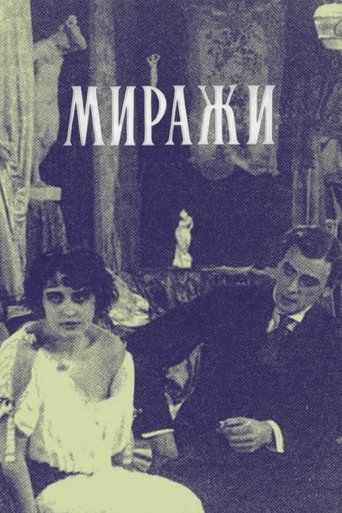
More about this film
About the production
Release date1917
ProductionKhanzhonkov Film Company
Filmed inMoscow, Russia
Filmed during the tumultuous year of 1917, capturing the final months of the Russian Empire before the Bolshevik Revolution. The production faced significant challenges due to political unrest and resource shortages that affected the film industry during this transitional period.
Themes
Moral ambiguityClass conflictDeception and truthArt versus commerceFamily loyalty
Themes & topics
Historical background
Exhibitors around 1917 slotted The King of Paris into mixed bills where shorts, newsreels, and features shared the same program.
Why this film matters
Reference works on 1917 cinema cite The King of Paris when tracing genre and regional production patterns.
Making of
The production of The King of Paris took place under extraordinary circumstances, as Russia was experiencing the complete collapse of its imperial system. The film crew worked in an atmosphere of political uncertainty, with street protests and strikes frequently disrupting shooting schedules. Director Olga Rakhmanova, who had previously worked primarily as an actress, brought a unique perspective to the project, emphasizing character development over spectacle. The cast and crew were paid in rapidly depreciating currency, and many accepted food rations as part of their compensation. Despite these challenges, the production maintained high artistic standards, with elaborate costumes and sets that reflected the opulent Parisian setting. The film's completion was uncertain until the final days, as the studio faced threats of closure from both the provisional government and the emerging Bolshevik authorities.
What critics said
Trade papers near 1917 listed The King of Paris as program material rather than headline art cinema.
Did you know?
- This was one of the last films produced by the Khanzhonkov Film Company before the nationalization of the Russian film industry following the Bolshevik Revolution
- Director Olga Rakhmanova was one of the few female directors working in the Russian Empire during this period
- The film was released in the same year as both the February and October Revolutions, making it part of the final wave of pre-Soviet cinema
- Like many films from this era, the original negative is believed to have been lost during the political upheavals of the early Soviet period
- The title character 'King of Paris' was based on real-life confidence men who operated in European capitals during the early 20th century
- The film's themes of wealth disparity and social injustice resonated strongly with audiences during the revolutionary year of 1917
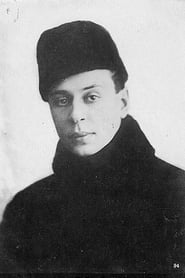
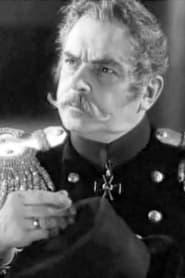
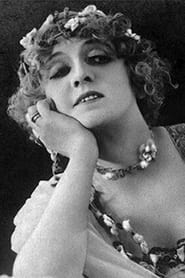
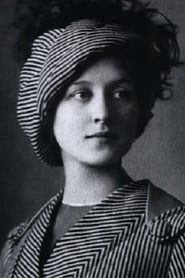
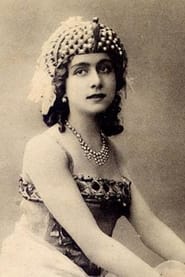
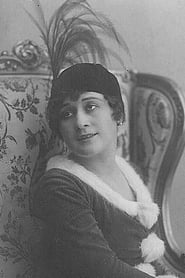
- Emma Bauer, who plays the artist's mother, was a prominent stage actress before transitioning to silent films
- The production used actual Parisian locations for establishing shots, which was unusual for Russian films of this period due to the costs involved
- The film's intertitles were written in both Russian and French to appeal to the growing international market for Russian cinema
- This was one of Nikolai Radin's final film roles before he left the film industry following the revolution
Visual style
The film employed the sophisticated visual style that characterized Russian cinema of the 1910s, featuring carefully composed shots and innovative use of lighting to create mood and emphasize psychological states. The cinematographer likely used natural lighting techniques that were becoming popular in Russian studios, along with the use of mirrors and reflections to suggest the dual nature of the characters. The Parisian settings would have been recreated through detailed set design and possibly location photography for establishing shots. The visual narrative would have relied on subtle facial expressions and body language to convey character emotions, a technique at which Russian silent film actors had become particularly adept.
Innovations
While specific technical innovations for The King of Paris are not documented due to the film's loss, Russian cinema of 1917 was known for several technical advances. The film likely employed sophisticated editing techniques including cross-cutting to build suspense and parallel action sequences. The use of multiple camera angles and varying shot distances would have been more advanced than in contemporary American cinema. Russian studios had pioneered the use of location shooting and mobile cameras, which may have been utilized for the Parisian street scenes. The film's production would have benefited from the high technical standards maintained by major Russian studios like Khanzhonkov, which invested in modern equipment and trained technicians.
Music
As a silent film, The King of Paris would have been accompanied by live musical performance during theatrical screenings. The score likely consisted of classical pieces and popular songs selected by the theater's musical director to match the film's moods and dramatic moments. Russian theaters of this period often employed small orchestras or skilled pianists who could adapt their performance to the on-screen action. The music would have ranged from light, sophisticated pieces for the Parisian scenes to dramatic, tension-building compositions during moments of confrontation and revelation. The choice of music would have been crucial in establishing the film's tone and helping audiences navigate its complex moral themes.
Famous quotes
In Paris, even kings can be made from nothing but charm and courage
An artist's soul is worth more than all the gold in the world
When you dance with the devil, the music never stops
Memorable scenes
- The climactic confrontation between the artist and the King of Paris in the opulent Parisian salon, where truth and deception finally collide
- The opening sequence contrasting the artist's humble studio with the swindler's luxurious lifestyle
- The emotional scene where the artist discovers his mother has become the swindler's latest target
What audiences thought
The King of Paris reportedly found appreciative audiences in major Russian cities, particularly among the educated middle class who could relate to its themes of moral choice and social mobility. The film's Parisian setting and glamorous elements appealed to audiences seeking escapism from the increasingly grim political reality of 1917. Word-of-mouth praise centered on the film's suspenseful plot and the compelling dynamic between the two male protagonists. However, the film's release coincided with such momentous historical events that its theatrical run was likely limited and its impact on popular culture difficult to gauge. The revolutionary upheavals that followed would have dramatically altered audience tastes and priorities, making films like The King of Paris seem relics of a bygone era almost immediately after their release.
Film connections
Influenced by
- French literary realism
- Russian social novels
- European crime fiction
- Dostoevskian psychological drama
Film restoration
The film is considered lost. Like approximately 90% of Russian films from 1917, no complete copies are known to exist. The revolutionary period and subsequent political upheavals resulted in the destruction of many film archives and private collections. Some production stills and promotional materials may survive in Russian film archives, but the actual film footage has not been located.
Where to watch
- No known viewing sources available - film is considered lost
- Film historians may access related materials at the Gosfilmofond Russian State Archive
- Production stills and promotional materials occasionally appear in film history exhibitions