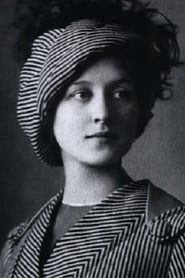
Lidiya Koreneva
Actor
Born: 1885 in Moscow, Russian Empire Died: 1937 Active: 1916-1917 Birth Name: Lidiya Nikolayevna Koreneva
Films
3 films
About Lidiya Koreneva
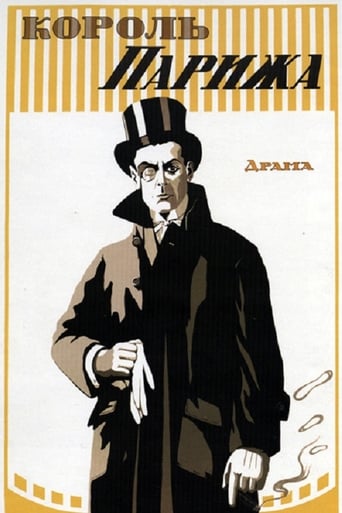
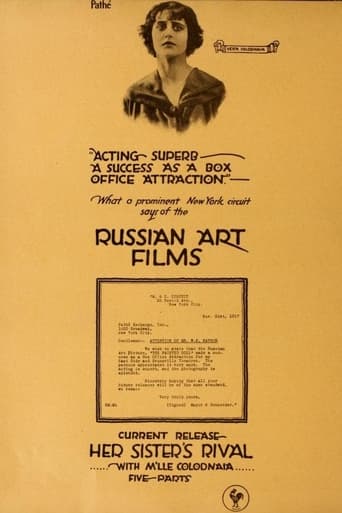
Lidiya Koreneva appears once in this catalog: A Life for a Life (1916). She emerged as a notable performer in 1916, working with prominent Russian film studios of the time, including Khanzhonkov and others that were shaping early Russian cinematic art. Koreneva's brief but impactful the crucial years of 1916-1917, during which she appeared in several significant productions that reflected the social and artistic changes occurring in Russia. Her performances in films like 'A Life for a Life' (1916), 'The King of Paris' (1917), and 'For Happiness' (1917) demonstrated her ability to portray complex characters during a time of tremendous upheaval in Russian society. Like many artists of her generation, her career was likely disrupted by the revolutionary events of 1917 and the subsequent restructuring of Russian cultural institutions. While her filmography remains limited due to the brevity of her career and the loss of many Russian silent films, Koreneva represents the important generation of actresses who helped establish the foundation of Russian cinema during its formative years.
The Craft
On Screen
Koreneva embodied the theatrical yet emotionally expressive style typical of Russian silent cinema, characterized by dramatic gestures and intense facial expressions that conveyed complex emotions without dialogue. Her performances reflected the influence of Russian theatrical traditions, particularly the Stanislavski system that was gaining prominence during her era. She demonstrated remarkable ability to portray both dramatic and romantic elements, adapting her style to the evolving demands of early cinema as it moved away from pure theatricality toward more naturalistic expression.
Milestones
- Debut in 'A Life for a Life' (1916)
- Leading role in 'The King of Paris' (1917)
- Performance in 'For Happiness' (1917)
- Work during pivotal period of Russian cinema (1916-1917)
Best Known For
Iconic Roles
Must-See Films
Accolades
Special Recognition
- Recognition as figure in Russian silent cinema
Working Relationships
Worked Often With
Studios
Why They Matter
Impact on Culture
Lidiya Koreneva contributed to the development of Russian cinema during its crucial formative years, participating in the transition from early primitive films to more sophisticated narrative cinema. Her work during 1916-1917 represents an important chapter in the history of Russian film, capturing the artistic sensibilities and social concerns of pre-revolutionary Russian society. Although her career was brief, Koreneva's performances helped establish the conventions of Russian silent film acting that would influence subsequent generations of Russian actors.
Lasting Legacy
Koreneva's legacy lies in her role as one of the early actresses who helped shape Russian cinema during its nascent stage. While many of her films have been lost to time, the surviving records of her work provide valuable insight into the artistic achievements of Russian silent cinema. She represents the generation of artists who bridged the gap between the theatrical traditions of the Russian Empire and the emerging cinematic art form that would flourish in the Soviet era.
Who They Inspired
As an early Russian film actress, Koreneva contributed to establishing acting techniques and performance styles that would influence subsequent generations of Russian film actors. Her work during the pivotal years of 1916-1917 helped demonstrate the potential of cinema as a serious art form in Russia, paving the way for the golden age of Soviet cinema that would emerge in the 1920s and 1930s.
Off Screen
Lidiya Koreneva lived through. Her personal life, like that of many artists of her generation, was profoundly affected by the revolutionary changes of 1917 and the subsequent cultural transformations. Details about her family life and personal relationships remain scarce due to the limited documentation available about figures from this era of Russian cinema.
Education
Likely received theatrical training in Moscow during the early 1900s, possibly at one of the prestigious drama schools that were flourishing in pre-revolutionary Russia
Family
- Information not available in historical records
Did You Know?
- Appeared in films during the exact period of the Russian Revolution (1917)
- Part of the first generation of professional Russian film actresses
- Worked during the peak of pre-revolutionary Russian cinema
- Her film active years covered only two years but included three significant productions
- Many Russian silent films from this era have been lost, making complete documentation difficult
- Represented the transition from theatrical to cinematic acting styles in Russia
- Her death in 1937 occurred during Stalin's Great Purge, though her specific circumstances are unclear
- Russian cinema of the 1910s was among the most innovative in the world, and she was part of this movement
In Their Own Words
No documented quotes available due to the era and limited historical records
Frequently Asked Questions
Who was Lidiya Koreneva?
Russian actress from the silent film era who was active between 1916-1917, appearing in several notable Russian films during the period surrounding the Russian Revolution. She was part of the first generation of professional film actresses in Russia and contributed to the early development of Russian cinema.
What films is Lidiya Koreneva best known for?
Titles linked here include A Life for a Life (1916), The King of Paris (1917).
When was Lidiya Koreneva born and when did she die?
Born 1885; died 1937.
What awards did Lidiya Koreneva win?
There are no documented awards or formal recognitions for Lidiya Koreneva, which was common for actors of the early silent film era. However, she is recognized today as an important pioneer of Russian cinema from the 1910s.
What was Lidiya Koreneva's acting style?
Koreneva's acting style reflected the theatrical yet emotionally expressive approach typical of Russian silent cinema, featuring dramatic gestures and intense facial expressions. Her performances embodied the transition from pure theatricality toward more naturalistic cinematic expression that was developing during her era.