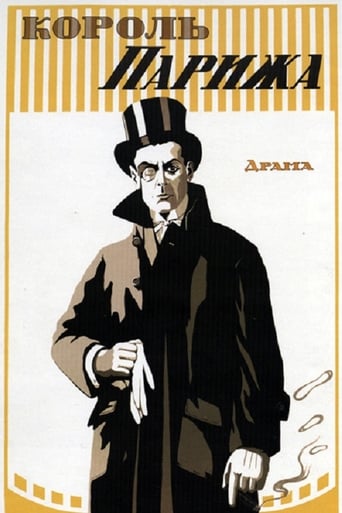
Films
4 films
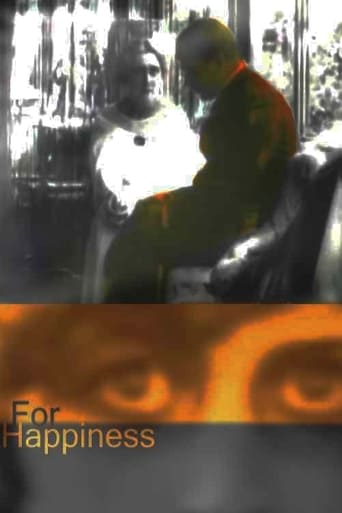
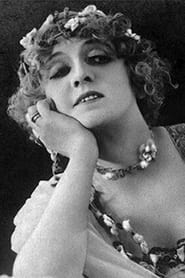
About Emma Bauer
Russian actress who worked during the silent film era in the mid-1910s. Her brief but notable from 1914 to 1917, during which she appeared in several significant Russian productions. She worked during a transformative period in Russian cinema, when the industry was developing its own artistic identity separate from European influences. Bauer appeared in films directed by prominent Russian filmmakers of the time, including Yevgeni Bauer, who was innovative directors of the Russian silent era. Her filmography, though short, includes works that showcased the emerging sophistication of Russian cinematic storytelling. Like many actors from this period, her career was likely interrupted by the Russian Revolution of 1917, which dramatically altered the country's film industry. Unfortunately, detailed records of her life and career are scarce, which was common for many supporting actors of the silent era whose contributions were not as extensively documented as those of lead performers.
The Craft
Milestones
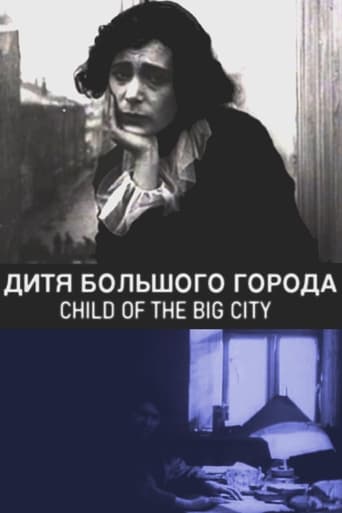
- Appeared in 'Child of the Big City' (1914), a significant Russian silent film
- Worked during the golden age of Russian silent cinema
- Collaborated with prominent Russian director Yevgeni Bauer
- Appeared in multiple films in 1917, the final year before the Revolution's impact on cinema
Best Known For
Must-See Films
Working Relationships
Worked Often With
Why They Matter
Impact on Culture
Emma Bauer's work contributes to our understanding of the Russian silent film era, a period that produced some of cinema's earliest artistic masterpieces. Although she was not a major star, her appearances in films from this period help document the breadth of talent working in Russian cinema before the Revolution. The films she appeared in, particularly those directed by Yevgeni Bauer, were part of a movement that established Russian cinema as a significant artistic force in the early 20th century. Her career, though brief, represents the many actors who formed the foundation of national cinema industries during their formative years.
Lasting Legacy
Emma Bauer's legacy is primarily preserved through her film appearances in notable Russian silent productions. While her individual contributions may not be extensively documented, her work is part of the broader tapestry of early Russian cinema that influenced filmmakers worldwide. The films she appeared in serve as important historical artifacts of Russian cinematic artistry from the mid-1910s. Her career exemplifies the many actors whose work, while not widely celebrated in their time, collectively contributed to the development of national cinema traditions.
Who They Inspired
As a supporting actor during the formative years of Russian cinema, Emma Bauer was part of an industry that would later influence international filmmaking. The Russian silent films of this period, including those she appeared in, were known for their psychological depth and visual innovation. While her direct influence on other actors cannot be traced due to limited documentation, her participation in these productions contributed to the artistic development that would characterize Russian cinema in subsequent decades.
Off Screen
Very little is documented about Emma Bauer's personal life, which was typical for many supporting actors of the silent era in Russia. Historical records from this period are often incomplete, especially for actors who were not the primary stars of productions. The political upheaval of the Russian Revolution in 1917 likely disrupted many careers in the film industry, and personal records were often lost or destroyed during this turbulent time.
Did You Know?
- Emma Bauer's career coincided with what many consider the golden age of Russian silent cinema
- She appeared in films directed by Yevgeni Bauer,
- Her entire known filmography spans just four years, from 1914 to 1917
- The Russian Revolution of 1917 likely ended her career, as it did for many in the film industry
- Many Russian silent films from this period have been lost, making her surviving work particularly valuable
- The films she appeared in were produced during a time when Russian cinema was competing with European and American productions
- Silent era actors often had to exaggerate their performances to convey emotion without dialogue
- Early Russian cinema was known for its psychological complexity and visual sophistication
Frequently Asked Questions
Who was Emma Bauer?
Russian actress who worked in silent films during the mid-1910s, appearing in four known Russian productions between 1914 and 1917. She was active during a significant period in Russian cinema history, working alongside prominent filmmakers of the era.
What films is Emma Bauer best known for?
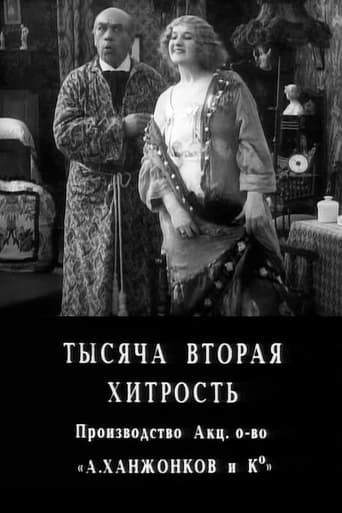
Titles linked here include Child of the Big City (1914), The 1002nd Ruse (1915).
When was Emma Bauer born and when did she die?
Specific birth and death dates for Emma Bauer are not documented in available historical records, which is common for many supporting actors from the silent film era. We know she was active as an actress between 1914 and 1917.
What awards did Emma Bauer win?
There are no documented awards or nominations for Emma Bauer, which was typical for many actors of her era, especially those in supporting roles. The formal award systems for cinema were not yet established during her active years.
What was Emma Bauer's acting style?
Specific details about Emma Bauer's acting style are not documented in available sources. However, as a silent film actress in Russia during the 1910s, she likely employed the exaggerated physical expressions and gestures common to the era to convey emotion without dialogue.
Did Emma Bauer work with any famous directors?
Emma Bauer appeared in films directed by Yevgeni Bauer, who was. Their collaboration, though the exact relationship is unclear, places her within an important circle of early Russian filmmakers.
Why did Emma Bauer's career end in 1917?
Emma Bauer's career likely ended around 1917 due to the Russian Revolution, which dramatically disrupted the country's film industry. Many actors and filmmakers found their careers interrupted or permanently altered by the political and social changes of this period.