Films
5 films
About Olga Rakhmanova
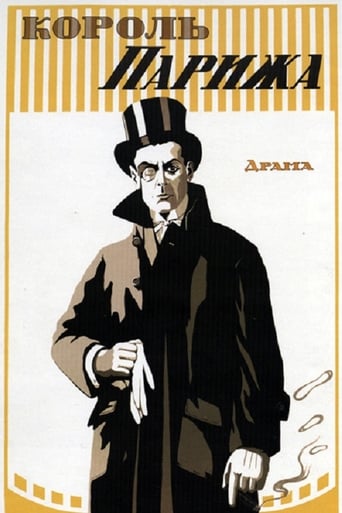
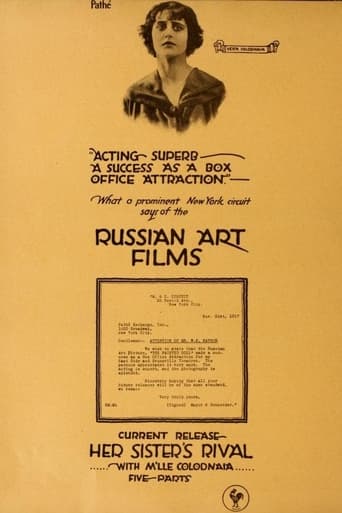
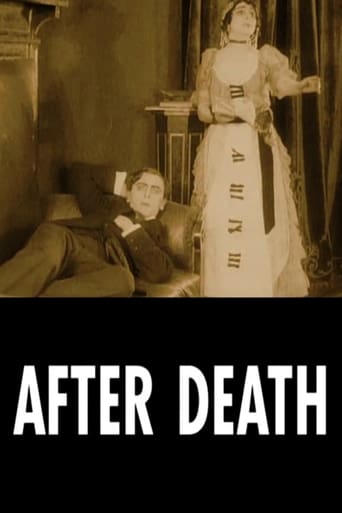
Figure in early Russian cinema during the transformative period of the 1910s, working as both an actor and director during the height of the silent film era. Her brief but significant from 1915 to 1918, coinciding with the Russian Revolution, a period that dramatically altered the country's film industry. As an actress, she appeared in several notable Russian productions including 'After Death' (1915), which was based on a story by Ivan Turgenev, and 'A Life for a Life' (1916). Her directorial work, most notably 'The King of Paris' (1917), demonstrated her versatility in an era when female directors were exceptionally rare. Rakhmanova's career was cut short by the political upheaval and dramatic changes in the Russian film industry following the Bolshevik Revolution, after which many early film figures either emigrated or found their careers disrupted. Her work represents an important though underdocumented chapter in the history of women in early cinema, particularly in the Russian context where female participation in filmmaking was even more unusual than in Western cinema.
The Craft
On Screen
As a silent film actress during the Russian cinema's golden age, Rakhmanova likely employed the expressive, gestural style typical of the era, emphasizing facial expressions and body language to convey emotion without dialogue. Her performances in dramatic works suggest she specialized in serious, emotionally charged roles that were popular in Russian cinema of the period.
Behind the Camera
Her directorial work on 'The King of Paris' indicates she was comfortable with narrative storytelling during a period when Russian cinema was developing its own distinct visual language. As one of the few female directors of her time and place, she would have brought a unique perspective to the medium, though specific details about her directorial techniques are not well documented.
Milestones
- Acting debut in 'After Death' (1915)
- Starring role in 'A Life for a Life' (1916)
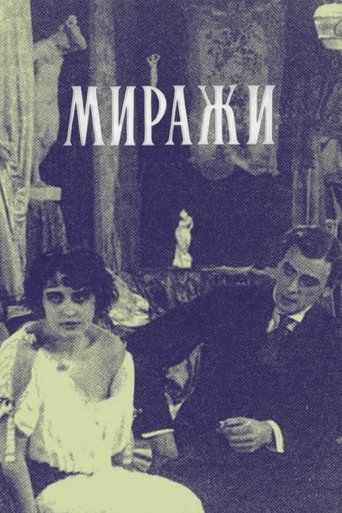
- Performance in 'Mirages' (1916)
- Directorial debut with 'The King of Paris' (1917)
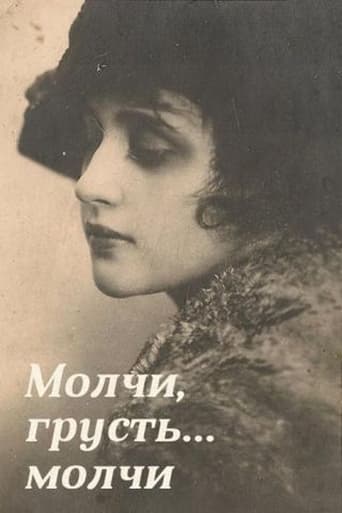
- Final film appearance in 'Be Silent, My Sorrow, Be Silent' (1918)
Best Known For
Iconic Roles
Must-See Films
Working Relationships
Studios
Why They Matter
Impact on Culture
Olga Rakhmanova represents an important but largely forgotten chapter in cinema history as one of the rare women who both acted and directed during the silent era in Russia. Her dual role as performer and filmmaker during this period was extraordinary, particularly in the Russian film industry where opportunities for women behind the camera were extremely limited. The fact that she directed a feature film in 1917 places her among the earliest female directors in world cinema, predating many of her more documented Western counterparts. Her work coincided with what many consider the artistic peak of Russian silent cinema, just before the industry was completely transformed by the Revolution. While her individual films may not have survived the test of time, her career serves as evidence of the diverse participation of women in early filmmaking, challenging the predominantly male narrative of film history.
Lasting Legacy
Olga Rakhmanova's legacy lies primarily in her representation of women's early contributions to cinema, particularly in the Russian context. Her brief but multifaceted career as both actor and director during 1915-1918 demonstrates that women were actively involved in creative filmmaking roles much earlier than commonly acknowledged. The loss or destruction of many Russian films from this era means that her actual work may be lost to history, but her documented career serves as an important reference point for film historians studying women's roles in early cinema. Her story contributes to the ongoing effort to recognize and document the forgotten female pioneers of filmmaking who worked outside the more well-documented Hollywood and European film industries.
Who They Inspired
Due to the limited documentation of her work and the loss of many Russian films from this period, it's difficult to trace specific influences that Olga Rakhmanova may have had on subsequent filmmakers. However, her very existence as a female director in 1917 Russian cinema would have paved the way for other women in the industry, even if her direct influence cannot be concretely documented. Her career pattern of transitioning from acting to directing was relatively rare and may have inspired other performers to explore filmmaking from behind the camera.
Off Screen
Very little is documented about Olga Rakhmanova's personal life, which is not uncommon for figures from early Russian cinema, especially those whose careers were disrupted by the Revolution. Many records from this period were lost or destroyed during the political upheaval of the following decades.
Did You Know?
- Olga Rakhmanova was active during
- She was one of very few women in early Russian cinema to work as both an actor and director
- Her directorial work 'The King of Paris' (1917) was released in the same year as the Bolshevik Revolution
- The films she appeared in were adaptations of literary works, which was common practice in Russian cinema of the era
- Many Russian films from this period, including possibly some of her work, have been lost due to political upheaval and poor preservation conditions
- Her career was exceptionally brief even by silent era standards, lasting only four years
- The Russian film industry of the 1910s was
- Female directors were extremely rare worldwide during this period, making her directorial work historically significant regardless of the films' survival
Frequently Asked Questions
Who was Olga Rakhmanova?
Russian actress and on YTB.my. She was notable for being one of the few women in early Russian cinema to work both in front of and behind the camera, directing 'The King of Paris' in 1917 while also acting in several films including 'After Death' and 'A Life for a Life'.
What films is Olga Rakhmanova best known for?
Titles linked here include After Death (1915), The King of Paris (1917).
When was Olga Rakhmanova born and when did she die?
Specific birth and death dates for Olga Rakhmanova are not documented in available historical records, which is unfortunately common for many figures from early Russian cinema whose careers were disrupted by the Revolution and subsequent political changes.
What awards did Olga Rakhmanova win?
There are no documented awards or honors received by Olga Rakhmanova, which was typical for the era as formal award systems for cinema were not yet established in Russia during her brief career span of 1915-1918.
What was Olga Rakhmanova's acting and directing style?
While specific details about her artistic approach are not well documented, as a silent film actress she would have used the expressive, gestural style typical of the era. Her directorial work on 'The King of Paris' suggests she was comfortable with narrative storytelling during a pivotal moment in Russian cinema history.