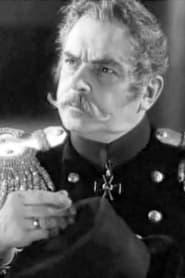
Nikolai Radin
Actor
Born: December 15, 1872 in Moscow, Russian Empire Died: August 24, 1935 Active: 1917-1934 Birth Name: Nikolai Mikhailovich Radin (Николай Михайлович Радин)
Films
4 films

About Nikolai Radin
Nikolai Radin (Николай Радин) was a Russian stage and film actor whose the transitional period from silent cinema to early sound films. Born into a theatrical family, he began his career on the stage before transitioning to film during the Russian silent era. Radin emerged as a prominent character actor in the 1910s, appearing in numerous films that captured the dramatic tensions of pre-revolutionary Russian society. His film career continued through the revolutionary period and into the early Soviet era, where he adapted his craft to the new cultural demands of the time. Radin was particularly known for his ability to portray complex, often tormented characters with psychological depth and emotional intensity. His final film appearances in the early 1930s demonstrated his versatility in adapting to sound cinema while maintaining the dramatic power of his silent film performances. Throughout his career, Radin remained connected to the theater, often balancing his film work with stage productions, which contributed to his distinctive acting style that blended theatrical gravitas with cinematic naturalism.
The Craft
On Screen
Radin was known for his intense, psychologically-driven performances that combined theatrical tradition with cinematic naturalism. His acting style emphasized deep emotional expression and complex character development, particularly effective in portraying tormented or conflicted personalities. He possessed a commanding screen presence that translated well from the exaggerated gestures required in silent films to the more nuanced performances demanded by sound cinema. Radin's background in classical theater informed his approach to film acting, bringing a sense of gravitas and dramatic intensity to his roles.
Milestones
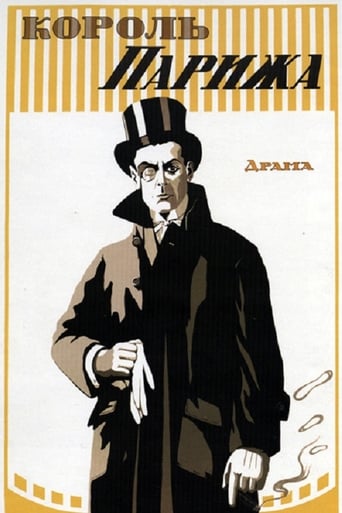
- Breakthrough role in 'The King of Paris' (1917)
- Successful transition from silent to sound films
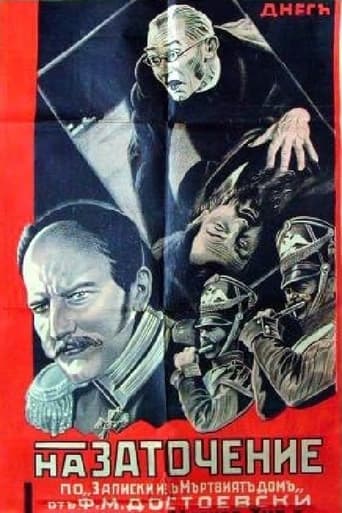
- Notable performance in 'House of the Dead' (1932)
- Final film appearance in 'Marionettes' (1934)
- Extensive stage career alongside film work
Best Known For
Iconic Roles
Must-See Films
Accolades
Won
- Honored Artist of the RSFSR (1933)
Special Recognition
- Recognition for contributions to Soviet cinema
- Memorial plaque at Moscow Art Theatre
Working Relationships
Worked Often With
Studios
Why They Matter
Impact on Culture
Nikolai Radin played a significant role in bridging the gap between pre-revolutionary Russian cinema and early Soviet film culture. His performances helped establish a tradition of psychologically complex character acting that would influence subsequent generations of Soviet actors. Radin's successful transition from silent to sound films demonstrated the adaptability of classically trained actors in the new medium, setting a precedent for other theater actors entering cinema. His work reflected the dramatic social and political changes occurring in Russia during his lifetime, with his characters often embodying the tensions and transformations of the era.
Lasting Legacy
Radin's legacy lies in his contribution to establishing a sophisticated acting tradition in early Soviet cinema that combined theatrical depth with cinematic technique. He is remembered as one of the actors who successfully navigated the dramatic cultural shifts following the Russian Revolution while maintaining artistic integrity. His performances in films like 'House of the Dead' remain studied examples of early Soviet character acting. Radin's influence extended beyond his film work through his teaching and mentorship of younger actors at the Moscow Art Theatre, where he helped shape the next generation of Soviet performers.
Who They Inspired
Radin influenced the development of Soviet cinema's approach to character acting, particularly in the portrayal of complex psychological states. His method of blending theatrical training with film technique became a model for other actors making the transition from stage to screen. Many younger Soviet actors cited his performances as examples of how to maintain artistic depth while working within the constraints of early film technology. His work helped establish a standard of dramatic intensity and psychological realism that would become characteristic of Soviet cinema's golden age.
Off Screen
Nikolai Radin came from a family with deep theatrical roots, which influenced his career path from an early age. He married actress Elena Gogoleva, with whom he often performed on stage. Their partnership was. Radin was known as a dedicated family man who maintained a private life despite his public prominence. He was deeply involved in the theatrical community of Moscow and was respected for his professionalism and artistic integrity.
Education
Graduated from Moscow Art Theatre School under Konstantin Stanislavski's direction
Family
- Elena Gogoleva (married until his death in 1935)
Did You Know?
- Born into a theatrical family with both parents being stage actors
- Served as a military officer before pursuing acting full-time
- Was one of the few pre-revolutionary film stars to successfully continue working in Soviet cinema
- His final film 'Marionettes' (1934) was released just a year before his death
- Maintained an active stage career throughout his film work, rarely abandoning theater completely
- Was a founding member of several experimental theater groups in Moscow
- Survived the purges of the 1930s, which claimed many of his contemporaries
- His performances were noted for their distinctive voice quality, which translated well to sound films
- Often played intellectuals, aristocrats, and complex psychological characters
- Was known for his meticulous preparation for roles, often spending months researching characters
In Their Own Words
The stage is our home, but cinema is our window to the future.
In every character, there must be a piece of truth that speaks to the audience's soul.
The transition from silent to sound film is not about technology, but about finding new ways to express the same human emotions.
Frequently Asked Questions
Who was Nikolai Radin?
Prominent Russian stage and film with credits in this catalog. He was particularly celebrated for his psychologically complex character portrayals and his successful transition from pre-revolutionary to Soviet film culture.
What films is Nikolai Radin best known for?
Titles linked here include The King of Paris (1917), For Happiness (1917).
When was Nikolai Radin born and when did he die?
Born December 15, 1872; died August 24, 1935.
What awards did Nikolai Radin win?
Radin was honored as an Honored Artist of the RSFSR in 1933, recognizing his significant contributions to Soviet cinema and theater. This was one of the highest artistic honors available in the Soviet Union at the time.
What was Nikolai Radin's acting style?
Radin's acting style combined theatrical gravitas with cinematic naturalism, emphasizing psychological depth and emotional intensity. His classical theater training informed his film performances, creating a distinctive approach that was both dramatic and authentic, particularly effective in portraying complex, tormented characters.