Films
1 film
About Yelena Yuzhnaya
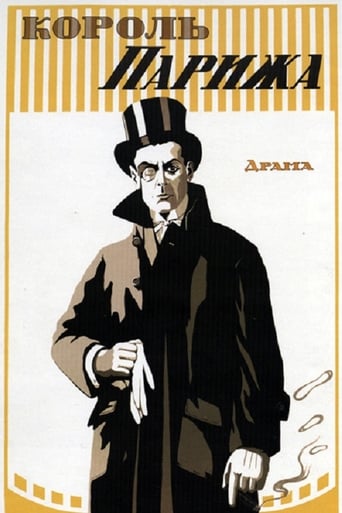
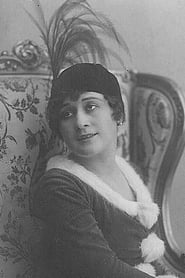
Yelena Yuzhnaya worked on one surviving credit: The King of Paris (1917). Her known filmography consists of a single appearance in the 1917 production 'The King of Paris' (Король Парижа), which was one of the last significant Russian films made before the Bolshevik Revolution later that year. The film was directed by Yevgeni Bauer, figures in early Russian cinema, suggesting Yuzhnaya was part of the professional film community in Moscow during this period. Her brief only the year 1917, coinciding with turbulent periods in Russian history. Like many Russian film professionals of this era, her career was likely disrupted by the political upheaval and subsequent changes in the Russian film industry. About her life beyond this single film credit, which was typical for many supporting actors in early Russian cinema whose records were lost during the revolutionary period.
The Craft
On Screen
As a silent film actress in 1917, Yelena Yuzhnaya would have employed the exaggerated gestures and facial expressions typical of the era, where emotions had to be conveyed visually without dialogue. Russian silent cinema of this period was known for its psychological depth and sophisticated visual storytelling, suggesting she worked within this artistic tradition.
Milestones
- Appeared in 'The King of Paris' (1917) directed by Yevgeni Bauer
- Participated in one of the last major Russian silent films before the Revolution
Best Known For
Iconic Roles
Must-See Films
Working Relationships
Worked Often With
Studios
Why They Matter
Impact on Culture
Yelena Yuzhnaya represents the many forgotten actors of early Russian cinema whose contributions have been largely lost to history. Her appearance in 'The King of Paris' places her within the context of the golden age of Russian silent film, which was. The fact that this film was made in 1917 makes her part of the final generation of artists working in imperial Russia's film industry before its transformation under Soviet rule.
Lasting Legacy
While Yelena Yuzhnaya's individual legacy is minimal due to the lack of surviving documentation, she is part of the broader legacy of early Russian cinema pioneers. Her work in 1917 places her within the context of a highly artistic period in Russian film history, alongside directors like Yevgeni Bauer who were pushing the boundaries of cinematic language. The preservation of 'The King of Paris' ensures that at least some record of her contribution to early cinema survives.
Who They Inspired
Due to the limited nature of her known film work and the lack of documentation about her career, Yelena Yuzhnaya's specific influence on other actors or filmmakers cannot be determined. However, as part of the Russian film industry of 1917, she contributed to the rich artistic environment that influenced international cinema development in the early 20th century.
Off Screen
Very little information is available about Yelena Yuzhnaya's personal life, which was common for many supporting actors in early Russian cinema whose records were not preserved through the revolutionary period and subsequent historical upheavals.
Did You Know?
- 'The King of Paris' (1917) was directed by Yevgeni Bauer, one of early Russia's most acclaimed directors
- The film was released during the same year as the Russian Revolution
- 1917 marked the end of the golden age of imperial Russian cinema
- Many records of Russian actors from this period were lost during the revolutionary upheaval
- The film was based on a work by French writer Georges Ohnet
- Russian silent cinema of this era was known for its psychological sophistication and visual innovation
- Very few complete Russian films from 1917 survive today
- Actors in Russian silent films often came from theatrical backgrounds
Frequently Asked Questions
Who was Yelena Yuzhnaya?
Screen credits include 1917's 'The King of Paris.' Her known filmography consists of this single film, making her one of many obscure actors from early Russian cinema whose careers were cut short by the historical upheavals of the Russian Revolution.
What films is Yelena Yuzhnaya best known for?
Titles linked here include The King of Paris (1917).
When was Yelena Yuzhnaya born and when did she die?
Specific birth and death dates for Yelena Yuzhnaya are not documented in surviving records, which is common for many supporting actors from early Russian cinema whose biographical information was lost during the revolutionary period.
What awards did Yelena Yuzhnaya win?
No awards or nominations for Yelena Yuzhnaya are documented in available film history records. The formal award systems for cinema were not yet established during her brief career in 1917.
What was Yelena Yuzhnaya's acting style?
As a silent film actress in 1917, Yelena Yuzhnaya would have used the exaggerated physical expressions and gestures typical of the era. Russian silent cinema was particularly noted for its psychological depth and sophisticated visual storytelling techniques.
Why is so little known about Yelena Yuzhnaya?
The scarcity of information about Yelena Yuzhnaya reflects the broader loss of documentation from early Russian cinema. Many records were destroyed during the 1917 Revolution and subsequent political upheavals, and supporting actors from this period often received minimal documentation even in stable times.