Aleksandr Kheruvimov
Actor
Born: 1888 in Moscow, Russian Empire Died: 1938 Active: 1913-1917 Birth Name: Aleksandr Pavlovich Kheruvimov
Films
7 films
About Aleksandr Kheruvimov
Russian actor who emerged during the flourishing period of Russian silent cinema in the early 1910s. He began his film career in 1913, appearing in several significant productions that helped establish Russian cinema as a serious artistic medium. His work spanned the crucial years before the 1917 Russian Revolution, a period when Russian filmmakers were creating sophisticated adaptations of literary classics and developing their own cinematic language. Kheruvimov appeared in films directed by some of Russia's filmmakers, including Yakov Protazanov and Pyotr Chardynin. His performances were characterized by the theatrical style common in early cinema, but with increasing naturalism as Russian film techniques evolved. His career appears to have ended around 1917, coinciding with the dramatic changes in Russian society and the film industry following the revolution. Like many actors of his era, much of his personal history remains undocumented, preserved only through the surviving films and fragmentary records of early Russian cinema.
The Craft
On Screen
Kheruvimov's acting style evolved from the theatrical gestures common in early Russian cinema to a more naturalistic approach as the medium matured. His performances were characterized by expressive facial work and body language essential for silent film communication, with particular skill in conveying complex emotions through subtle movements. He demonstrated versatility in both dramatic and comedic roles, adapting his technique to suit the psychological depth increasingly demanded by Russian filmmakers of the period.
Milestones
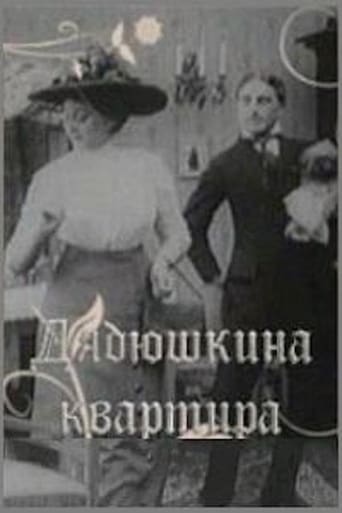
- Breakthrough role in 'Uncle's Apartment' (1913)
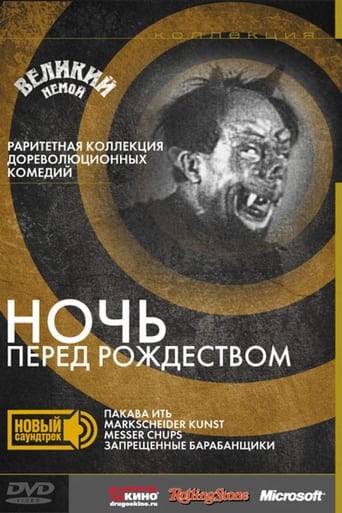
- Notable performance in 'The Night Before Christmas' (1913)
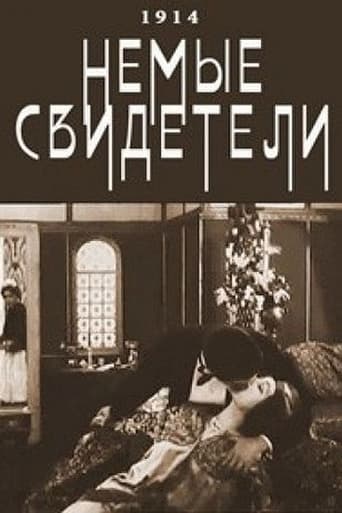
- Critical acclaim for 'Silent Witnesses' (1914)
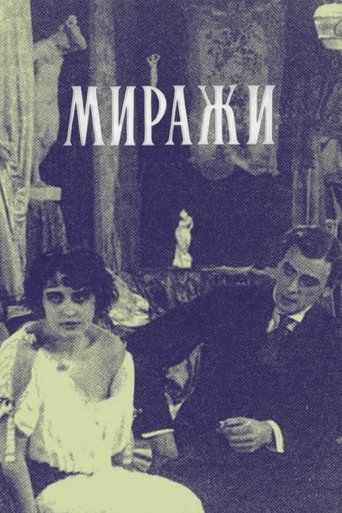
- Work in 'Mirages' (1916) during peak of Russian silent cinema
- Collaboration with director Yakov Protazanov
Best Known For
Iconic Roles
Must-See Films
Accolades
Special Recognition
- Recognized as a pioneer of Russian silent cinema in film historical retrospectives
Working Relationships
Worked Often With
Studios
Why They Matter
Impact on Culture
Aleksandr Kheruvimov represents the generation of Russian actors who helped establish cinema as a legitimate art form in Russia prior to the revolution. His work in adapting Russian literary classics to the screen contributed to the development of a distinctly Russian cinematic language that would later influence Soviet montage theory. Though not a major star, his consistent presence in significant productions of the era helped bridge the gap between theatrical traditions and the emerging art of cinema in Russia.
Lasting Legacy
Kheruvimov's legacy survives primarily through the preservation of the films in which he appeared, many of which are now considered classics of early Russian cinema. These films serve as important historical documents of Russian culture and cinematic development before the Soviet era. His performances, while typical of their time, provide modern viewers with insight into the transition from theatrical acting styles to the more naturalistic approach that would later define Russian cinema.
Who They Inspired
As a supporting actor during the formative years of Russian cinema, Kheruvimov's influence was primarily in helping establish the professional standards and techniques that would be built upon by later generations of Russian actors. His work in literary adaptations helped demonstrate how complex Russian literature could be successfully translated to the screen, paving the way for future cinematic interpretations of classic Russian works.
Off Screen
Very little documented information exists about Kheruvimov's personal life, which was common for many supporting actors of the early Russian film era. He appears to have been part of the Moscow theatrical community before transitioning to cinema, as was typical for many early Russian film actors. His life after the 1917 revolution remains largely undocumented, though records suggest he continued working in some capacity within the changing Soviet film industry before his death in 1938.
Education
Likely theatrical training in Moscow, though specific details are not documented in available sources
Family
- Unknown - records not available
Did You Know?
- Appeared in films during what is now considered the golden age of Russian silent cinema (1913-1917)
- Worked with director Yakov Protazanov, one of Russia's most important early filmmakers
- His film 'The Night Before Christmas' (1913) was an early adaptation of Nikolai Gogol's classic story
- Career coincided with the peak of private film production in pre-revolutionary Russia
- Many of his films were produced by the Khanzhonkov Film Company, Russia's leading studio of the era
- His acting career ended around the time of the Russian Revolution, which dramatically changed the country's film industry
- Like many early Russian actors, he likely came from a theatrical background before entering films
- His films were among the first to demonstrate sophisticated cinematography in Russian cinema
- Some of his films have been preserved and restored by Russian film archives
- His name 'Kheruvimov' derives from 'Cherubim,' suggesting possible religious or artistic family background
In Their Own Words
No documented quotes available from available sources
Frequently Asked Questions
Who was Aleksandr Kheruvimov?
Russian with credits in this catalog.
What films is Aleksandr Kheruvimov best known for?
Titles linked here include Uncle's Apartment (1913), The Night Before Christmas (1913).
When was Aleksandr Kheruvimov born and when did he die?
Born 1888; died 1938.
What awards did Aleksandr Kheruvimov win?
No formal awards were documented for Kheruvimov, as the formal award systems for cinema were not established during his active period in early Russian film.
What was Aleksandr Kheruvimov's acting style?
His acting style evolved from theatrical gestures typical of early cinema to more naturalistic performances, characterized by expressive facial work and body language essential for silent film communication.
Did Aleksandr Kheruvimov work after the Russian Revolution?
His documented film career ended around 1917, coinciding with the revolution, though records suggest he may have continued working in some capacity within the changing Soviet film industry.
Who were Aleksandr Kheruvimov's frequent collaborators?
He frequently worked with Russian directors like Yakov Protazanov and Pyotr Chardynin, and appeared alongside notable actors such as Ivan Mozzhukhin.