
Uncle's Apartment
"A man rents out his uncle's room to all kinds of people"
Keys: Space play/pause · ←/→ 10s · F fullscreen · M mute · </> speed
About this film
A man rents out his uncle's room to all kinds of people.
Cast & crew
More films like this
More Comedy films
View all →







More from Pyotr Chardynin
View all →
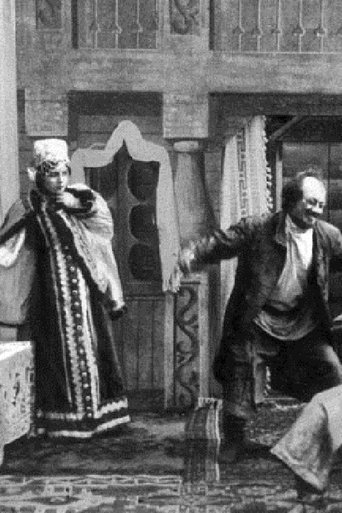
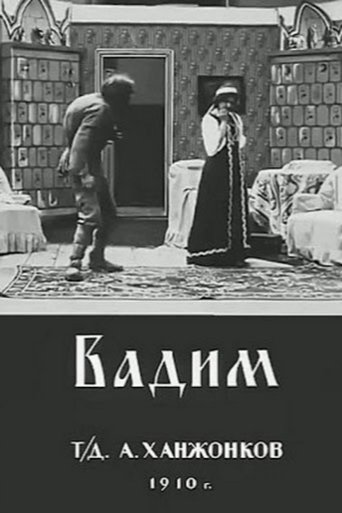

More about this film
About the production
Release dateOctober 1913
ProductionKhanzhonkov Company
Filmed inMoscow, Russian Empire
This film was produced during the golden age of Russian cinema before the 1917 revolution. The Khanzhonkov Company was one of Russia's most prominent early film studios, known for producing quality comedies and dramas. The film was shot on location in Moscow, utilizing actual apartments and city streets to create authentic settings for the comedic situations.
Themes
Urban housing crisisEntrepreneurship and opportunismSocial hierarchyFamily relationshipsDeception and comedy of errors
Themes & topics
Historical background
Released in 1913 during the silent era's formative years, Uncle's Apartment reached audiences when exhibitors were still defining programming conventions. The narrative hook—A man rents out his uncle's room to all kinds of people—reflects what contemporary producers thought would draw viewers.
Why this film matters
Uncle's Apartment remains discussed by archivists tracing how screen stories of its period represented work, desire, conflict, and social order. Its central situation—A man rents out his uncle's room to all kinds of people—still prompts questions about genre conventions and audience expectations.
Making of
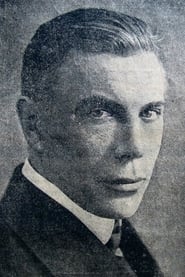
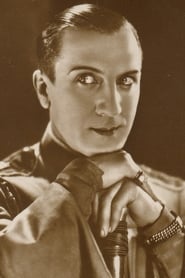
The production of 'Uncle's Apartment' took place during a transformative period in Russian cinema. Director Pyotr Chardynin, who had previously worked as an actor, brought his understanding of performance to the director's chair. Ivan Mosjoukine, already becoming a recognizable face in Russian cinema, demonstrated his early comedic talents in this role. The film was shot quickly and efficiently, as was common for one-reel comedies of the period. The Khanzhonkov studio provided relatively sophisticated production values for the time, including proper interior sets and location shooting in Moscow. The cast likely worked without detailed scripts, relying instead on scenario outlines and improvisation, which was standard practice for early comedies.
What critics said
Trade and newspaper notices for Uncle's Apartment generally emphasized casting, spectacle, and program fit rather than extended aesthetic argument. Retrospective screenings and archival notes continue to shape how viewers evaluate Uncle's Apartment today.
Did you know?
- This was one of the earliest collaborations between director Pyotr Chardynin and actor Ivan Mosjoukine, who would become Russia's biggest silent film star
- The film was produced by Alexander Khanzhonkov's studio, which was the first major film company in the Russian Empire
- Only fragments of this film are known to survive today, as many early Russian films were lost during the revolutionary period and subsequent wars
- The comedy format was particularly popular in early Russian cinema, often satirizing urban life and social hierarchies
- Ivan Mosjoukine would later emigrate to France after the revolution and become an international star in European cinema
- The film's premise of renting rooms was highly relevant to Moscow's housing crisis in the early 1910s
- Director Pyotr Chardynin was especially prolific Russian directors of the silent era, making over 100 films
- The film was released during a period when Russian cinema was experiencing rapid growth and competing with imported European films
- Early Russian comedies like this one often relied on physical comedy and situational humor rather than intertitles
- The film's short runtime was typical of the era, when most films were one-reel productions running 10-15 minutes
Visual style
The cinematography by Vladimir Siversen utilized the mobile camera techniques that were becoming more common in 1913. The film featured a mix of studio interiors and location shooting in Moscow apartments and streets. Lighting was naturalistic for the period, with available light used for exterior scenes and basic artificial lighting for interiors. The visual style emphasized the cramped spaces of the apartment to enhance the comedic effect of multiple tenants. Camera work was relatively static, as was typical of the era, but included some movement to follow the action through the apartment's various rooms.
Innovations
While not technically groundbreaking for its time, the film demonstrated the growing sophistication of Russian film production. The use of actual Moscow locations added authenticity to the urban setting. The film's editing techniques, including cross-cutting between different rooms and characters, showed the advancing narrative capabilities of early cinema. The production quality reflected the Khanzhonkov studio's commitment to competing with European films in terms of technical execution.
Music
As a silent film, 'Uncle's Apartment' would have been accompanied by live musical performance during its original theatrical run. The typical accompaniment would have been a pianist or small ensemble playing popular Russian folk tunes, classical pieces, and improvised music to match the on-screen action. The score would have emphasized the comedic moments with lively, upbeat music and provided dramatic underscoring for more tense situations. No original score survives, as was common for films of this period.
Memorable scenes
- The chaotic scene where multiple tenants simultaneously try to occupy the same room, creating a physical comedy tableau of confusion and conflict
What audiences thought
The film was reportedly popular with Moscow audiences upon its release in October 1913. Contemporary accounts suggest that viewers appreciated the relatable urban setting and the comedic performances. The theme of housing and renting resonated with many city dwellers experiencing similar situations. The film contributed to Ivan Mosjoukine's growing popularity as a leading actor in Russian cinema. Audience reception was positive enough that similar urban comedies were produced in subsequent years.
Film connections
Influenced by
- French comedies of the early 1910s
- Max Linder films
- Italian comedies
- Russian theatrical comedy traditions
This film influenced
- Subsequent Russian urban comedies
- Early Soviet comedies
- Apartment-themed films in Russian cinema
Film restoration
The film is partially preserved with only fragments surviving. Many early Russian films from this period were lost during the revolutionary period, World War I, and the subsequent civil war. The surviving fragments are held in Russian film archives, notably the Gosfilmofond. The incomplete preservation status makes it difficult to view the film in its entirety, though the surviving portions provide valuable insight into early Russian comedy cinema.
Where to watch
- Film archives with special access
- Occasional screenings at film festivals specializing in silent cinema
- Academic institutions with Russian film collections